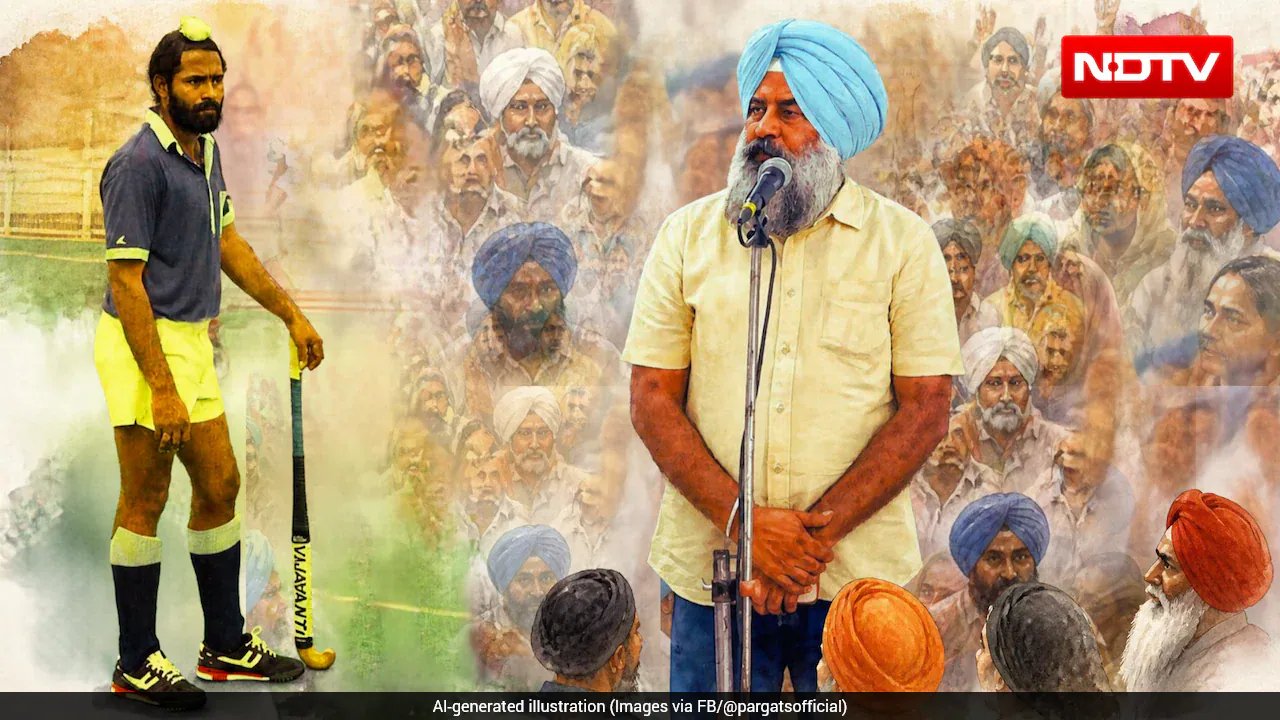
Perth, 1985. India were down 1-5 with West Germany breathing down their necks, the clock ticking toward a humiliating defeat. Eight minutes remained. The air in the stadium was thick with the scent of impending loss. Then Pargat Singh, a 20-year-old fullback, did something no one expected.
He picked up the ball near the halfway line. Instead of passing it back or clearing it, he ran at the defense. He skipped past four defenders with a confidence that bordered on arrogance and lifted the ball over the goalkeeper. The crowd in Perth went quiet. Then they erupted. That single goal broke the spell. It changed the psychology of the game.
India scored four more times in that final spell. The scoreboard flipped from 1-5 to 5-5. West Germany, who had controlled the match for 52 minutes, found themselves chasing a draw they didn't need. Pargat's goal wasn't just a score. It was a psychological reset. It told every Indian player on the pitch that the game was not over. That they still had a chance.
That match is still referenced in hockey circles as one of the greatest comebacks in Indian team sport history. It wasn't just about the goals. It was about the moment a young fullback decided to take a chance when everyone else was playing it safe. Pargat Singh's name is now etched in the history books of the 1985 Champions Trophy, a reminder that in hockey, as in life, the game is never over until the final whistle.