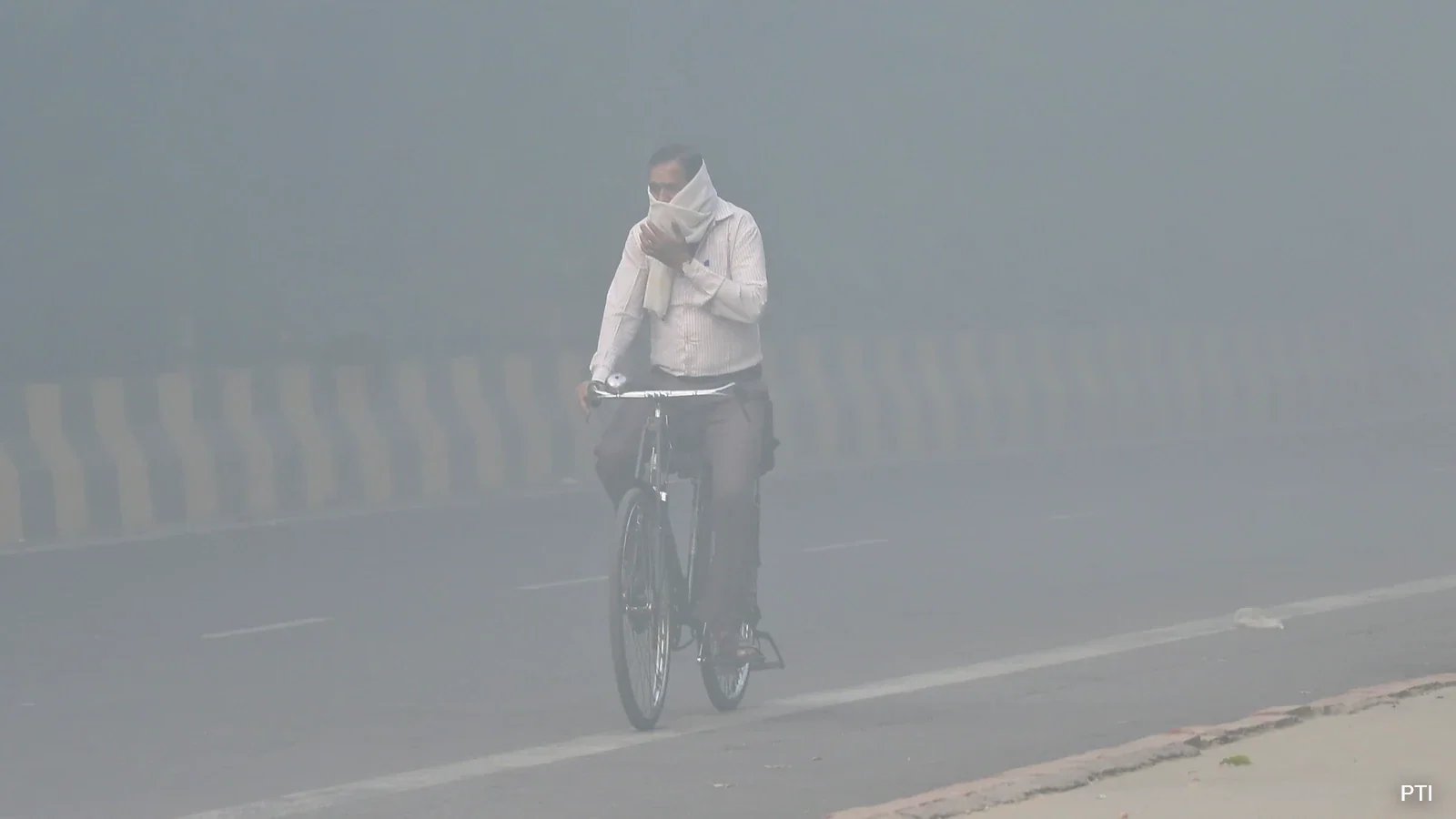
Delhi choked under a toxic grey canopy on Diwali as daily average PM2.5 concentrations spiked to 257 µg/m³, marking the fourth most polluted festival night recorded in the national capital since 2016.
The hazardous spike capped a brutal week of deteriorating air quality. November 5, 6, and 7 ranked as the sixth, seventh, and eighth worst air pollution days of 2026 across the city, according to analysis released by Dr. Manoj Kumar of the Centre for Research on Energy and Clean Air (CREA). The festive surge sealed Diwali 2026 as the fourth dirtiest day of the entire year.
The capital was gasping.
Yet the annual disaster unfolded despite official assurances surrounding the deployment of "green crackers"—formulations developed under the Council of Scientific and Industrial Research-National Environmental Engineering Research Institute (CSIR-NEERI) framework to cut particulate emissions by at least 30 percent. On the ground, enforcement buckled.
Independent environmental monitors slammed the regulatory reliance on alternative pyrotechnics as administrative window dressing. Unscrupulous manufacturers routinely bypassed testing protocols, flooding neighborhood bazaars with banned, high-decibel firecrackers bearing counterfeit certification seals.
"The CSIR-NEERI framework requires green crackers to demonstrate a minimum 30% reduction in particulate matter emissions compared with conventional crackers or meet prescribed combinations of particulate and gaseous emission reductions," said environmentalist Siddhant Sarang. "This is a meaningful technological intervention, but a reduction in emissions per cracker does not automatically translate into a proportionate reduction in overall pollution. The total number of crackers used, duration of bursting, concentration of use in particular areas and prevailing weather conditions all matter."
Sarang warned that outright enforcement failures allowed conventional firecrackers to flood retail stalls disguised with forged authorization logos, neutralizing state curbs.
Environmentalist Abhiir Bhalla was blunter, dismissing the green cracker program as systemic greenwashing that consistently misses mandated chemical ceilings.
If a bureaucrat like Tukaram Mundhe were overseeing manufacturing and supervision with strict, uncompromised enforcement, maybe we could talk, but right now? It's just another term invented to throw dust in our eyes—literally.
Abhiir Bhalla, Environmentalist
While festive pyrotechnics trigger acute toxic spikes, empirical data reveals they amplify a baseline environmental disaster that simmers all year. A landmark 2022 Indian Institute of Technology Delhi (IIT-Delhi) study established that firecrackers generate roughly 95 percent of elemental PM2.5 during the absolute peak hours of Diwali celebrations.
| Air Pollution Parameter | Official Metric / Recorded Baseline |
|---|---|
| Diwali 2026 Average PM2.5 | 257 µg/m³ (4th worst day of 2026) |
| Pre-Diwali Rankings (Nov 5, 6, 7) | 6th, 7th, and 8th most polluted days of 2026 |
| Historical Diwali Benchmark | 4th most polluted Diwali since 2016 |
| IIT-Delhi Peak Elemental PM2.5 Share | ~95% during peak festive bursting |
| CSIR-NEERI Particulate Reduction Target | Minimum 30% reduction vs conventional units |
| Seasonal Farm Stubble Contribution | ~3.5% annual seasonal average |
"Firecrackers are a significant contributor to the sudden deterioration in air quality around Diwali, particularly because they release large quantities of particulate matter and other pollutants over a very short period," Sarang explained. "However, it would be scientifically incorrect to attribute the entire post-Diwali pollution burden to firecrackers. We need to address both the festival-related pollution spike and the structural sources of pollution throughout the year."
Bhalla stressed that seasonal crop stubble burning accounts for an average of just 3.5 percent of Delhi's annual pollution pie. The real killer remains permanent infrastructure paralysis—millions of idling combustion engines, unpaved road dust, and industrial exhaust locked under dense winter inversions.
Air quality monitors across Delhi project hazardous index readings through the coming fortnight as dropping regional temperatures and trapped surface winds prevent particulate dispersal, keeping the capital anchored at the top of global toxicity charts.