CaliforniaWetlandsSalinasLand RestorationEnvironmental Conservation
Big Sur Land Trust Restores 67 Acres of Salinas Farmland into Wetlands
Published: September 18, 2026
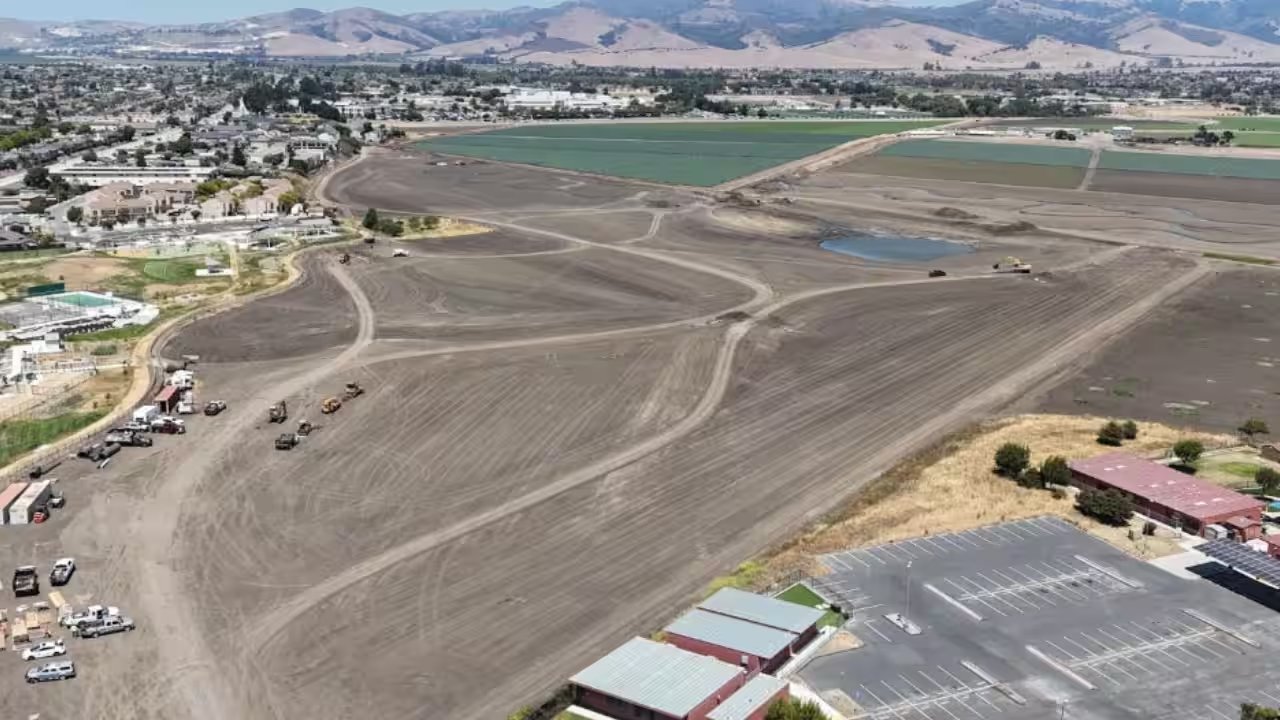
Big Sur Land Trust, in partnership with the City of Salinas, completed the restoration of 67 acres of former farmland into wetlands and grasslands at Ensen Community Park in Salinas in 2024. The project, which moved more than 172,000 cubic yards of soil and planted 6,000 native plants, will open to the public on September 20 with a ribbon‑cutting ceremony.
Ensen Community Park’s 67‑acre stretch, once a drained cotton field, has been reshaped into a mosaic of wetlands, grasslands and uplands that will hold water and support native species. Big Sur Land Trust moved more than 172,000 cubic yards of soil to create basins and slow‑moving channels, while the City of Salinas approved the use of public trails and bridges. The project also planted 6,000 native plants, 100 trees and 2,000 pounds of seed to accelerate ecological succession, and designates 29 acres as wetland.
The land had been drained for agriculture over a century ago, erasing the floodplain’s historic wetlands. Restoration aims to return that lost landscape—recreating the wetlands that once fed migratory birds and native frogs—by re‑introducing native vegetation such as box elder, Western sycamore, California poppy and purple needlegrass, the state grass.
Beyond habitat, the new floodplain will act as a natural sponge, slowing storm flows, recharging groundwater and filtering water before it reaches Monterey Bay. Carbon sequestration is also expected, as the restored vegetation will absorb CO₂ and bolster the region’s climate resilience.
The 1.7 miles of public trails climb the higher ground, crossing three 240‑foot bridges that span the restored channels. Interpretive signage and a beginner's bird walk will guide visitors through the seven distinct habitats, offering an educational experience that ties the community to its natural heritage.
Once the transfer of land to the City of Salinas is complete, the trust will continue to steward the area, ensuring long‑term maintenance and public access. The grand opening on September 20 will feature a ribbon‑cutting ceremony at 1:30 pm, with local officials, community advocates and families participating in bird walks, plant tours and animal‑track plaster casts.