hyperloopinfrastructureinnovationmobilityIndia
TuTr Hyperloop Partners with L&T to Build Next‑Gen Mobility
Published: October 14, 2026
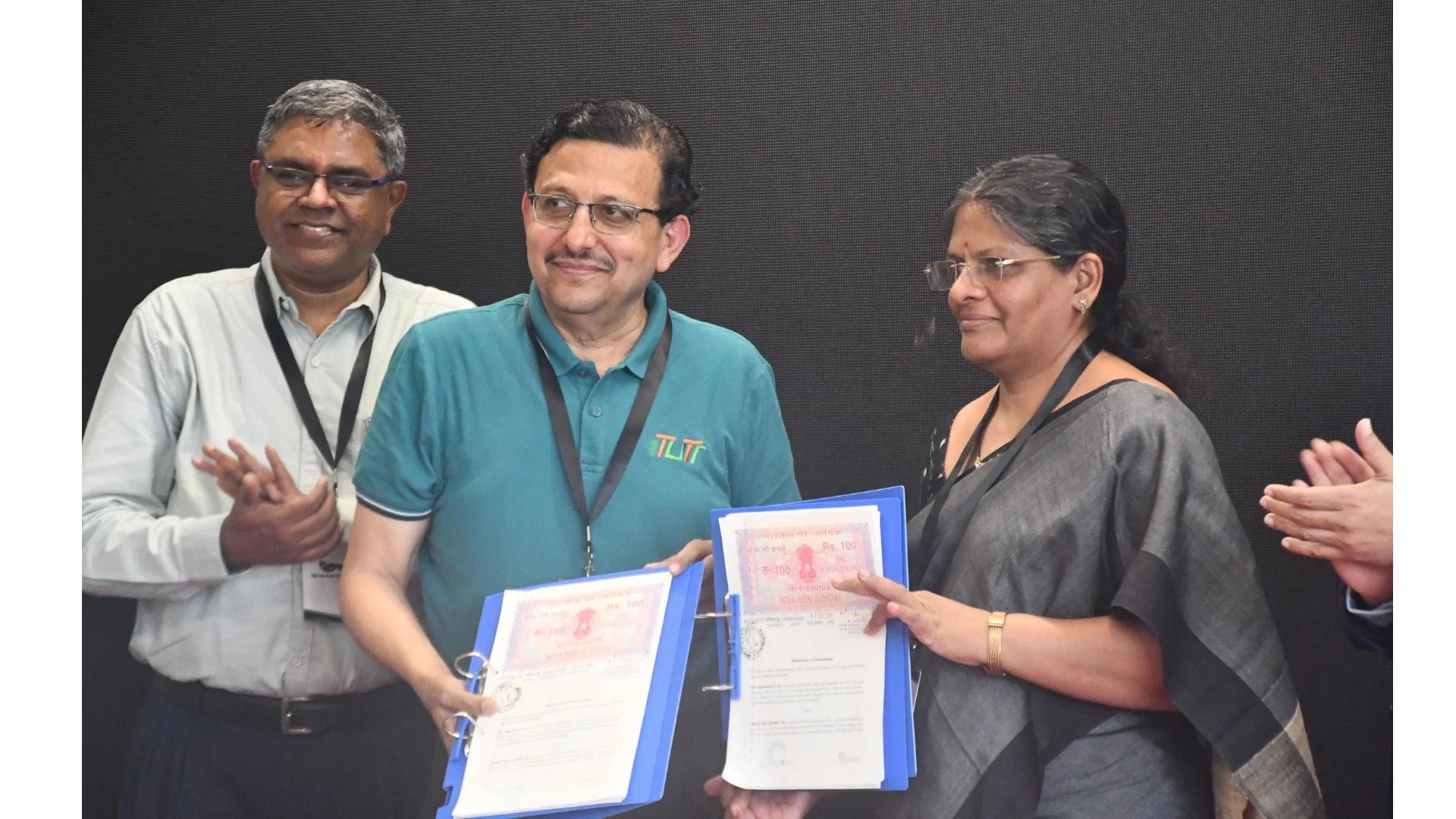
L&T and TuTr Hyperloop sign a MoU to collaborate on high‑speed mobility, bringing two industry giants together. The partnership could open doors to faster, greener travel options for Indian buyers.
For anyone eyeing the future of commuting, the new L&T‑TuTr Hyperloop partnership means a potential shift from today’s congested metros to a high‑speed corridor that could cut travel times dramatically.
TuTr Hyperloop, an IIT‑Madras‑incubated startup, specializes in linear induction motor propulsion and vacuum tube infrastructure—technologies that promise near‑zero friction and high acceleration. L&T’s strength lies in large‑scale engineering, procurement and construction, so the combo could move from lab prototypes to real‑world tracks more quickly than the lone‑player startups.
If you compare this to Virgin Hyperloop and Hyperloop One, the main difference is the Indian focus on indigenous tech and local supply chains. While the foreign projects rely on imported components and external funding, L&T’s presence could slash costs and speed up approvals.
From a policy angle, the MoU arrives amid India’s push for greener transport and a 2030 EV mandate. Faster freight corridors would ease logistics and lower emissions, aligning with the government’s climate goals.
The two firms will test pilot projects in major metros over the next few years, with phased roll‑outs to cities like Delhi, Mumbai and Bengaluru. Buyers who want to stay ahead of the curve should watch for the first commercial runs and the pricing models that will follow.
In short, the L&T‑TuTr Hyperloop alliance could bring the hyperloop concept from a futuristic dream to a practical, high‑speed reality that reshapes how Indians travel and ship goods.