AnimalRightsWashingtonUniversityNIHPetaNeurotoxin
Peta Releases Video of 32 Infant Macaques in Washington Neurotoxin Tests
Published: October 27, 2026
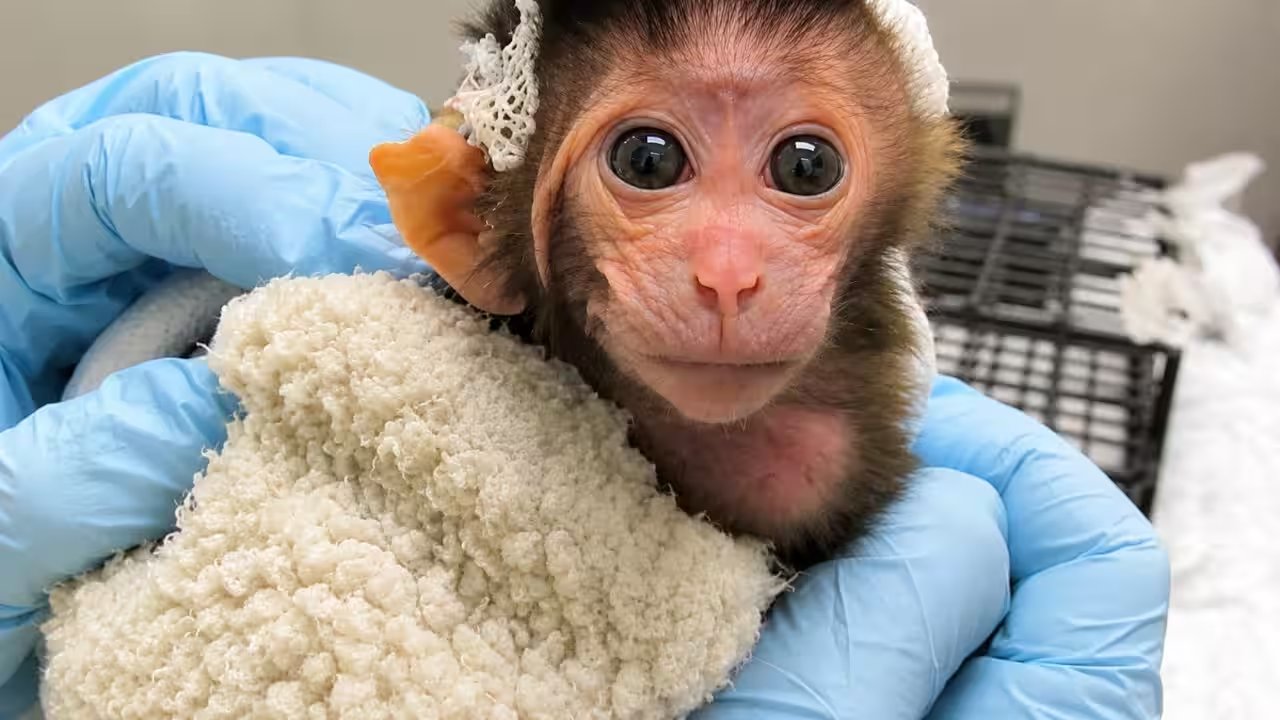
Peta released footage in September 2026 that shows 32 infant macaques separated from their mothers for neurotoxin testing at the University of Washington’s National Primate Research Center. The release has prompted the university to stop infant primate studies and the NIH to review its animal‑welfare policies.
The new footage, captured between 2017 and 2019, shows 32 infant macaques in a sterile lab, their tiny heads shaved and electrodes attached while researchers probe reflexes and memory. The infants were kept in incubators until three weeks old, after which they were housed alone and subjected to daily brain‑wave recordings.
The experiment, funded by the NIH with more than ₹4.2 billion, aimed to determine whether prenatal exposure to domoic acid— a neurotoxin produced by marine algae— damages infant brains. Researchers dosed 32 pregnant macaques each day, then separated 28 newborns from their mothers, bottle‑fed them, and conducted long‑term neurophysiological monitoring.
"These monkeys are so young they still have the distinctive black fur of newborn macaques, yet instead of clinging to their mothers, they grasp blankets on metal tables," said Dr Lisa Jones‑Engel, Peta’s chief science adviser. She added that the infants were killed once the work ended, a fact that shocked her after 17 years as a primate scientist.
Dr Malene Hansen, a long‑tailed macaque expert, warned that maternal separation distorts an infant’s physiology, immunity, behaviour and development. The Washington National Primate Research Center said it recognises the ethical questions raised and that all animals used in NIH‑supported research are protected by laws and policies.
The university has announced it will no longer conduct studies involving infant monkeys, although protocols remain approved. The NIH intends to review its animal‑welfare policies, and Peta is calling for the closure of all infant primate labs.
In the footage, one infant—nicknamed "Kira" by staff—was later euthanised after the study, a detail that makes the cruelty feel all the more personal.