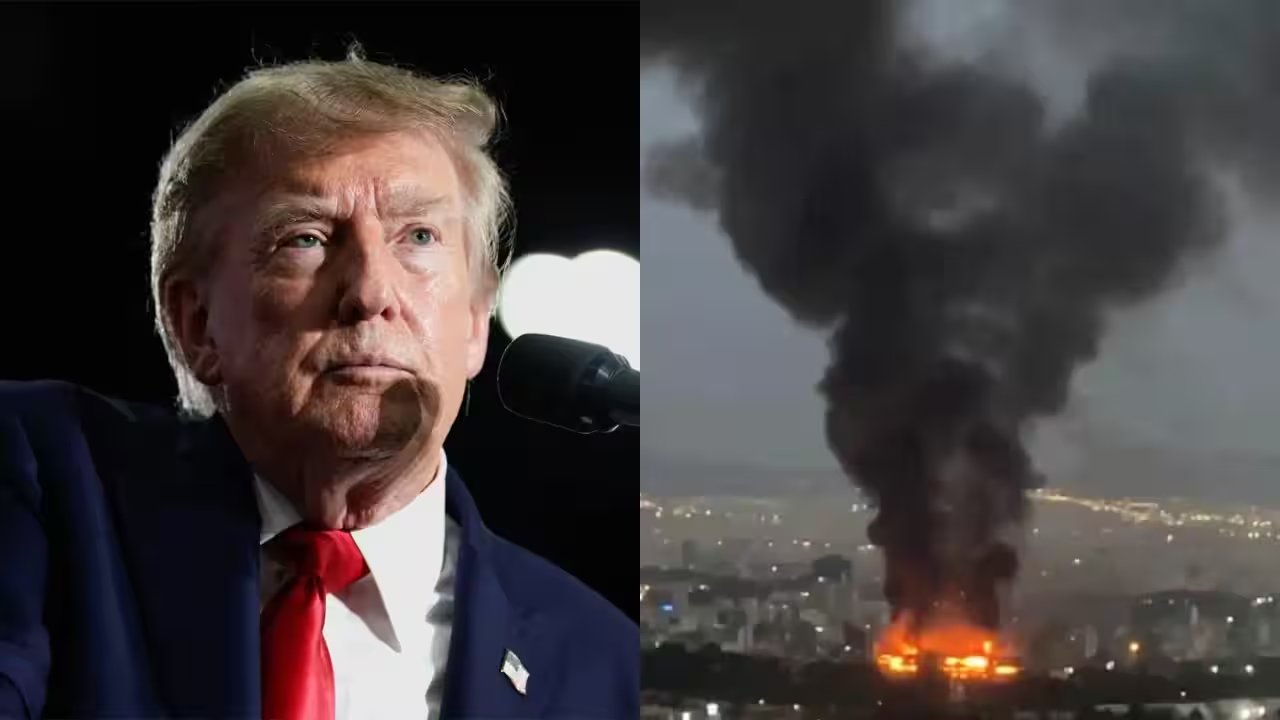
Trump’s interview with Axios revealed he is at a crossroads, questioning whether to "annihilate" the Iranian regime amid the stalled passage through the Strait of Hormuz. The Iranian Revolutionary Guard Corps has tightened control, citing illegal passages, and has even struck a Togo‑flagged tanker, an incident the US condemned as a provocation.
The Strait remains a flashpoint. Commercial vessel traffic has fallen sharply, as Iranian patrols shoot down or detain ships that attempt to cross. The U.S. Navy maintains a blockade on Iranian ports and has been pushing for increased tanker movements, arguing that the blockade has stopped Iran from exporting oil.
In March, Trump paused large‑scale attacks after Saudi Arabia and Qatar warned of retaliation against oil facilities. Since then, Washington has expanded sanctions, kept the naval blockade, and instructed the Department of Defense to maintain troop levels in the Middle East through the end of the year. Defence Secretary Pete Hegseth confirmed the decision on the same day.
Trump will meet Saudi, UAE, Qatar, Bahrain, Kuwait and Oman leaders on the sidelines of the UN General Assembly next week. He said he wants direct input from Gulf heads on the next phase of the conflict, hoping to gauge regional support for either escalation or a diplomatic reset.
The next step is a formal announcement by Trump, which could either signal a return to full‑scale combat operations or a pivot toward renewed negotiations. The decision will hinge on the Gulf leaders’ feedback and the continued pressure on the Strait of Hormuz.