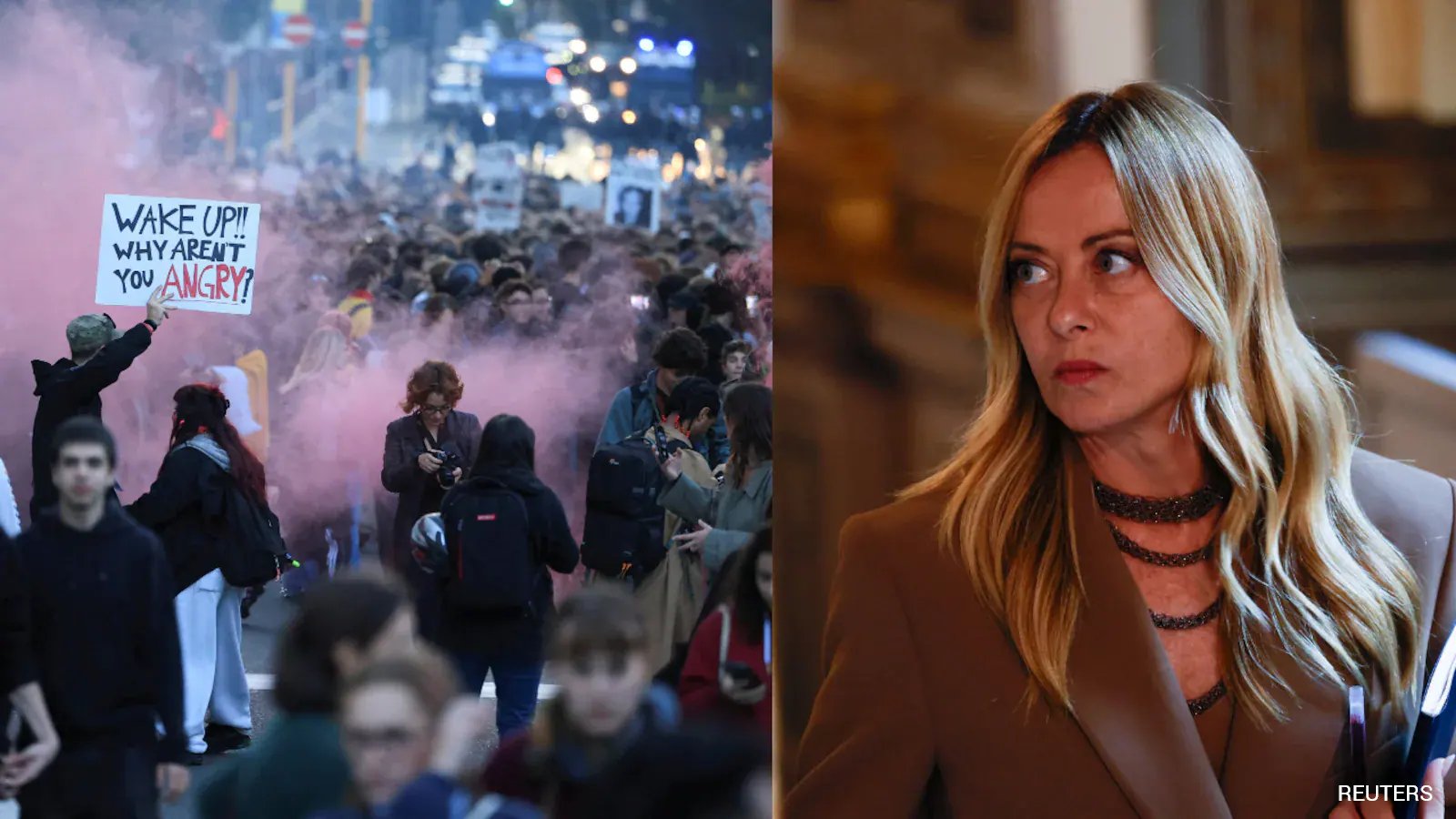
On Saturday, city officials ordered the arrival of 500 additional soldiers to bolster an already sizeable 5,000‑person security force. These troops are stationed around key hubs—railway stations, bridges, and the Duomo—where crowds are expected to swell.
The decision followed last week’s unrest, when a 2,000‑strong crowd in Milan sparked looting that prompted the temporary closure of luxury boutiques and led to 45 arrests, 34 of them minors. Similar demonstrations in Rome and Turin saw brief clashes, but the scale of violence in Milan was the sharpest.
Prime Minister Giorgia Meloni announced tougher penalties for minors and a 30‑day review of the protest‑response strategy, citing the need to protect public property and deter future riots. She also pledged additional resources to police checkpoints around major shopping districts.
A mayoral hopeful, Pierfrancesco Majorino, joined the march and praised the crowd’s peacefulness, while far‑right student groups warned that the demonstrations could turn violent again if left unchecked. The clash at Rome’s Piazza della Repubblica, where organizers tried to keep the crowd in check with batons, ended only after a water cannon was deployed.
Security measures extended beyond the city center, employing drone surveillance, rapid‑response units, and a new online monitoring protocol to detect potential unrest before it erupts. These tools aim to prevent the spill‑over of protest activity into residential neighborhoods.
Authorities plan to reassess the deployment strategy on Monday, with a briefing slated for 10 a.m. to decide whether the 500‑soldier contingent will remain in place for the remainder of the protest period.