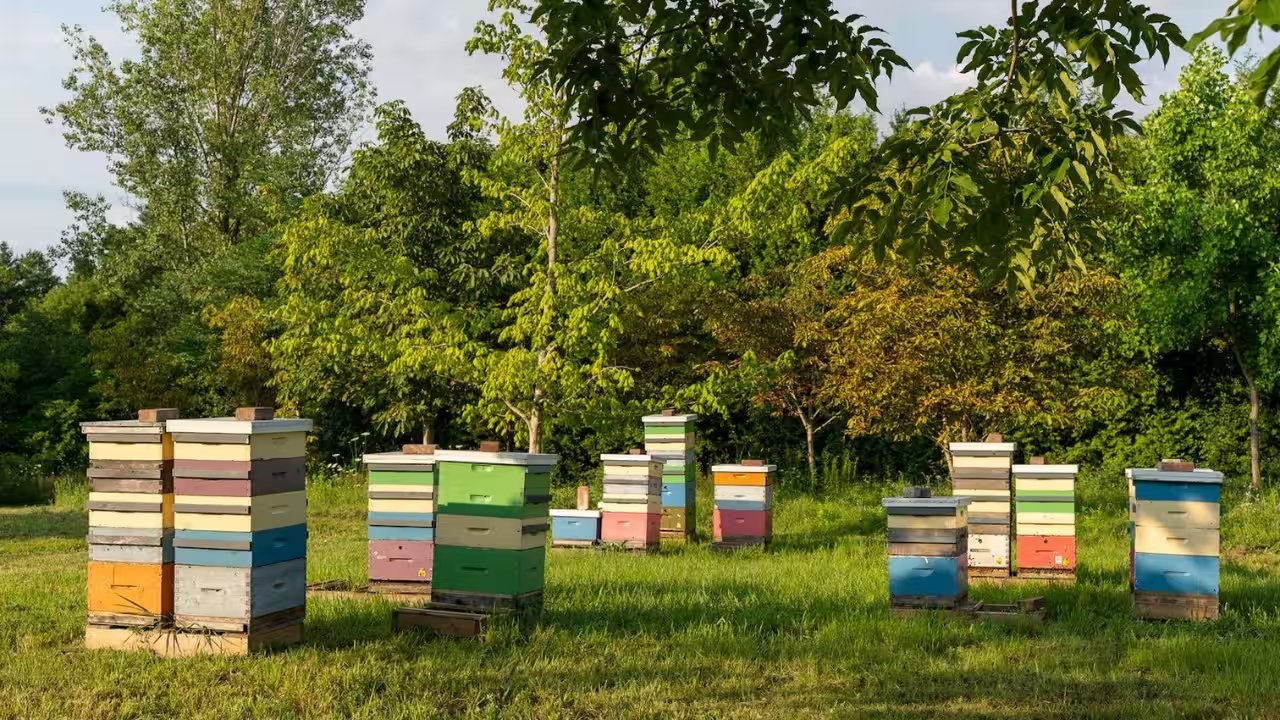
Beaverton District Conservation Club, a four‑member elder‑run group, has agreed to transfer 100 acres of undeveloped forest on Thorah Island to the University of Guelph’s Honey Bee Research Centre. The property, valued at about C$400,000, will remain dedicated to conservation and research, with the donation expected to finalize within 60 to 90 days.
The island, located on the southwestern shore of Lake Simcoe, was originally donated to the club by the Davidson family before 1990. The club has had no active use of the land in recent years and saw the opportunity to keep the site under conservation stewardship.
For the university, Thorah Island is a critical breeding ground for honeybee queens. Since 1990 the HBRC has operated an isolated apiary there, using the island’s separation from the mainland to control drone mating and preserve the Buckfast strain’s desirable traits, such as calmness and Varroa resistance.
University officials say the transfer will allow the HBRC to expand its facilities, adding a drive shed and upgraded storage to support the 12–15 full‑size hives and up to 150 nucleus colonies that researchers bring each year. The board of governors approved the donation on October 21, and the university expects to complete the handover by the end of December.
"We’re excited to keep this island in the hands of conservationists," said Dr. Anjali Menon, director of the Honey Bee Research Centre. "The isolated environment is essential for our breeding program, and this donation ensures it remains a safe haven for our research into Varroa‑resistant bees."
The donation follows a 94% success rate achieved in a recent queen‑mating round, the highest the HBRC has recorded. Researchers plan to use the improved infrastructure to increase breeding capacity and to continue their work on disease‑resistant bees, with the first new queens expected by early 2025.