SkodaARAICrash TestEV SafetyIndia Automotive
Skoda Chakan Facility to Boost India EV Safety Standards
Published: October 30, 2026
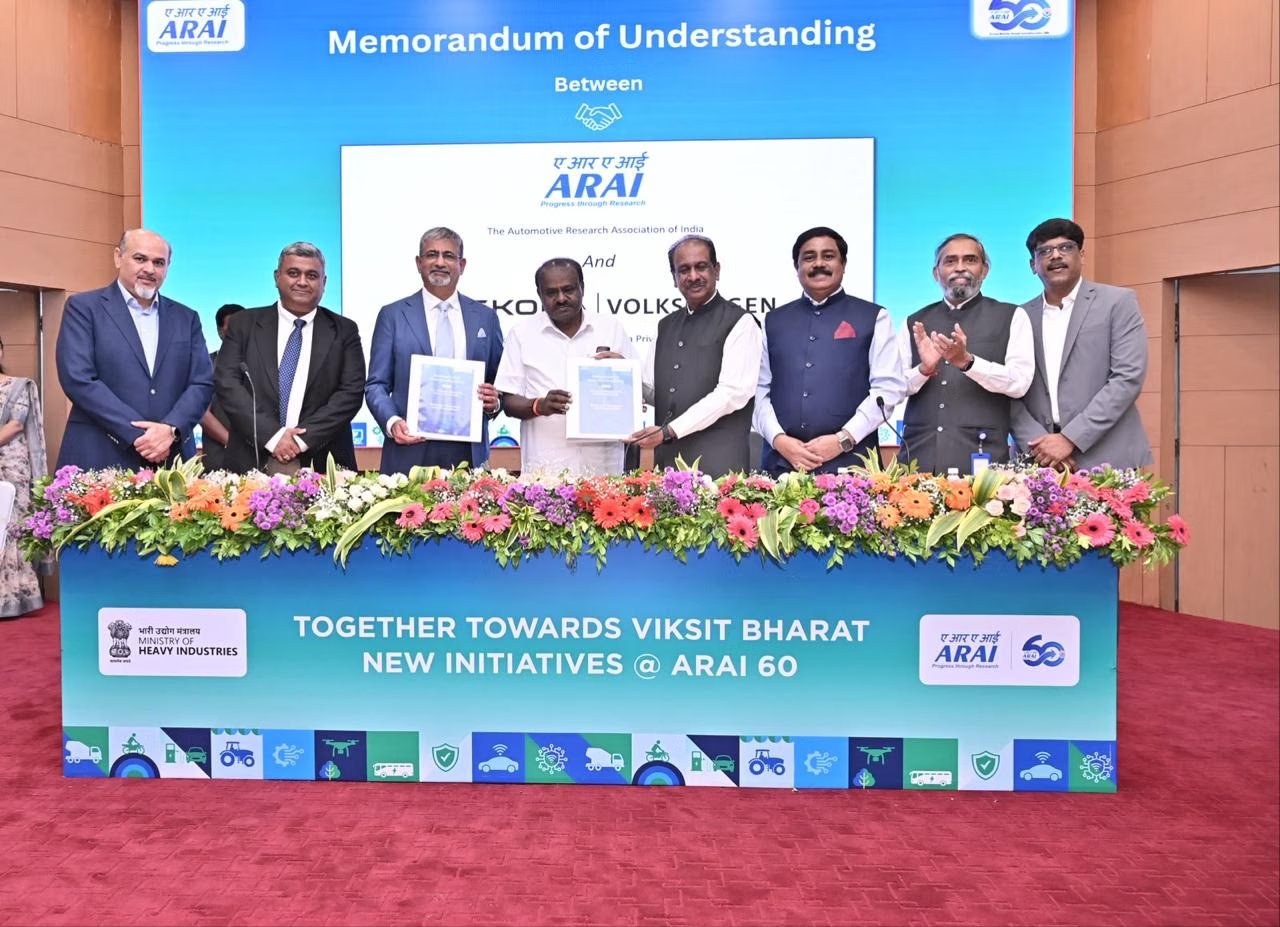
Skoda Auto Volkswagen India has signed an MoU with ARAI to build an advanced crash‑test center beside its Chakan plant, aiming to test electric and internal‑combustion vehicles. The move promises faster, cheaper safety certification for buyers and a stronger domestic safety ecosystem.
Skoda’s Chakan plant will soon host a brand‑new crash‑test facility after a Memorandum of Understanding with ARAI. The site, just a few hundred metres from the assembly line, will be used to evaluate future mobility models, including battery electric vehicles and conventional cars.
The centre’s primary aim is to beef up India’s domestic testing capacity for Bharat NCAP and export homologation programmes. By keeping the testing in‑country, manufacturers can cut costs and speed up the certification process, which in turn gives consumers quicker access to safety‑rated models.
In the competitive Indian EV market, safety ratings are becoming a decisive factor for buyers. Brands like Hyundai, Tata, and Mahindra already run their own test rigs, but the ARAI‑Skoda partnership will bring a more sophisticated, dedicated platform to the region, allowing for deeper crash‑worthiness analysis of next‑generation electric drivetrains.
The government’s push for a robust domestic safety testing network is part of a broader strategy to reduce reliance on overseas test centres and to meet the 2025 Bharat NCAP target of 25% of all vehicles being tested locally. ARAI’s new facility will therefore play a key role in meeting that goal.
The facility is slated to be operational by late 2027, with a phased opening that will first accommodate Skoda’s own models before opening its doors to other domestic and foreign automakers. Buyers can look forward to more reliable safety data, tighter crash‑test standards, and potentially lower insurance premiums as a result.