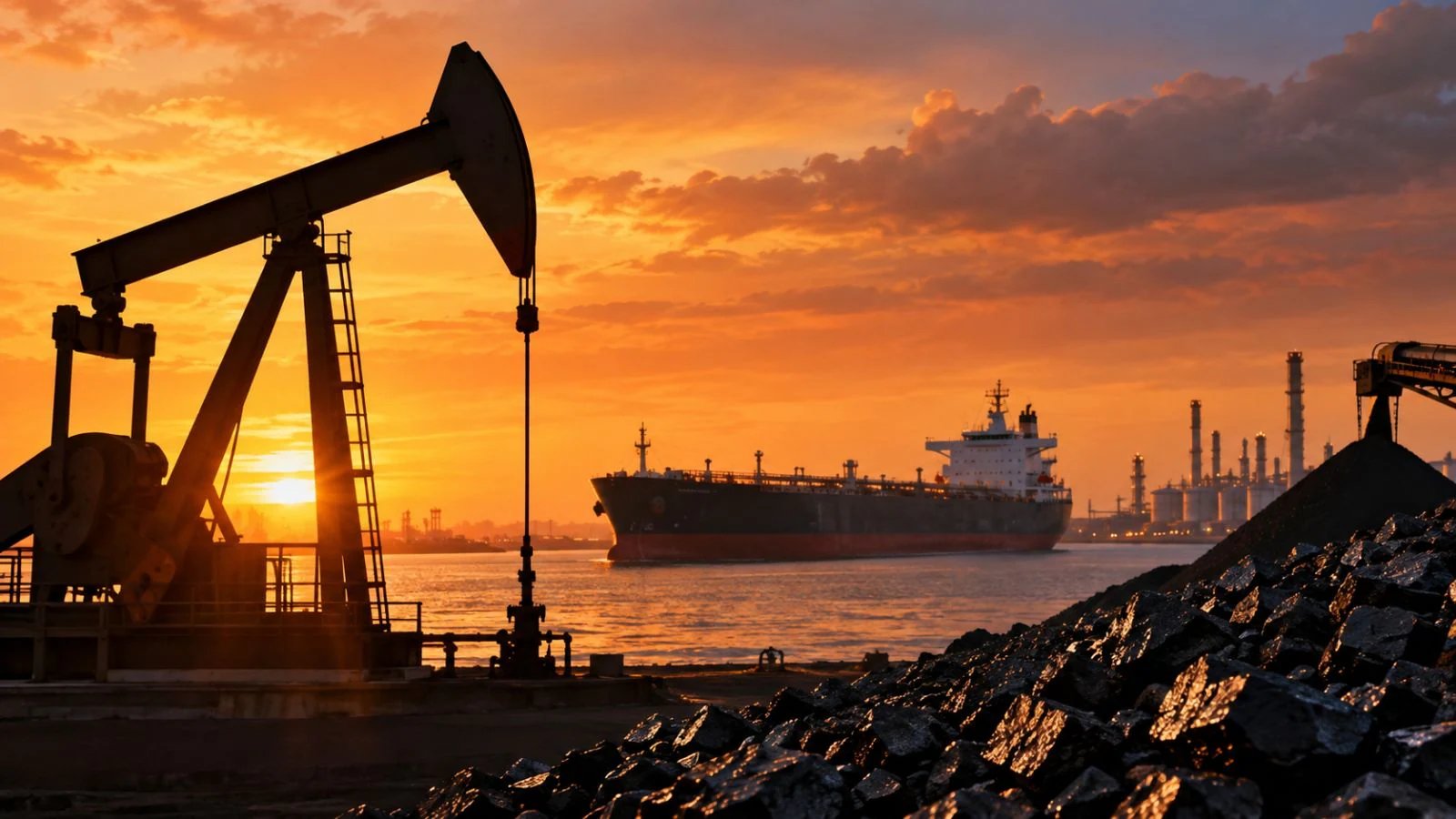
Crude oil sits at $115 a barrel today, a figure that traders see as priced with a hefty risk cushion. The price sits above the $110 average that has dominated the spot market over the past month, suggesting that the current premium is not purely supply‑side.
Neeraj Seth, Founder and Chief Investment Officer at 3R Investment Management, said the $115 level "includes a significant risk premium." He added that a Democratic sweep in the U.S. mid‑terms coupled with an electoral defeat for Benjamin Netanyahu could lift the tension bar in the Middle East and lift oil prices back toward the $120 threshold.
The backdrop to this premium is a US Treasury yield curve that has dipped below 5% on the 10‑year note, but the long end remains under pressure. Seth expects one or two Fed rate hikes in the next three to six months, which could tighten the curve and erode the risk premium. The 10‑to‑30‑year spread, which widened last week after short positions unwound, may tighten if fiscal sentiment improves.
Seth also flagged the AI boom as a secondary driver of market volatility. While the tech wave continues, growth is expected to slow from the 12‑month peak, a moderation that could be welcome for India’s emerging‑market investors who are wary of over‑valued hyperscalers.
In the tech space, credit‑default‑swap spreads on hyperscalers have widened since January, and investors are scrutinising free‑cash‑flow projections amid rising capital‑expenditure budgets. The next round of earnings from these firms will be a key barometer for the sector’s return on invested capital.
Looking ahead, market participants will watch the U.S. mid‑term election results and the Israeli parliament vote for signals on geopolitical risk. If tensions de‑escalate, the risk premium could retract, nudging Brent closer to the $110 level. Traders should also keep an eye on the upcoming Fed minutes for clues on the cycle’s trajectory.