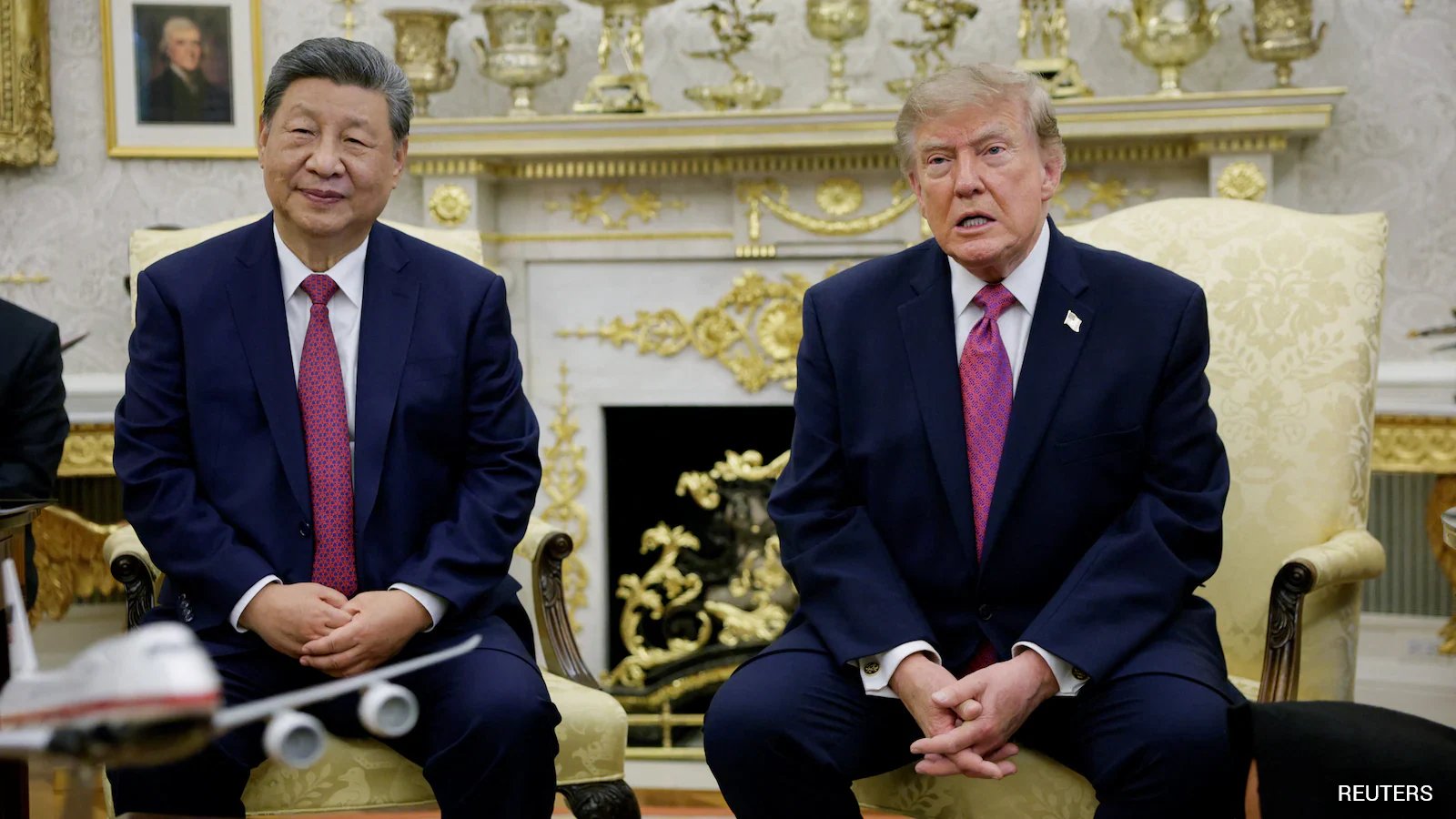
Beijing made its demands clear on Thursday. President Xi Jinping called Donald Trump to insist Washington stick to the "correct position" of opposing Taiwan independence. He stated that China's stance on reunification is uncompromising. The pressure on the White House is mounting.
The island's status is a thorny historical knot. Japan controlled Taiwan from 1895 to 1945. After World War II, the Republic of China government took over. When Mao Zedong's forces won the civil war in 1949, the ROC government fled to the island. Beijing claims sovereignty over the island. It refuses to rule out the use of force. The "one country, two systems" model offered to Taiwan mirrors the Hong Kong experiment. No major political party in Taiwan supports that arrangement.
Washington walks a tightrope. The US severed official diplomatic ties with Taipei in 1979. It recognized Beijing instead. But the Taiwan Relations Act of 1979 legally obligates the US to provide Taiwan with defensive weapons. The State Department also references the Six Assurances from 1982. These assurances, declassified in 2020, promise no set date for ending arms sales. Trump said in May he was still considering new weapons deals. He claimed the US does not want Taiwan to declare independence under American protection.
Taipei operates as a de facto independent state. It has its own military, passport, and currency. People elect their own leaders. President Lai Ching-te faces intense scrutiny from Beijing. China labels him a "separatist." However, formalizing a "Republic of Taiwan" is nearly impossible. It would require a constitutional amendment and a referendum. At least 75% of lawmakers must approve. The DPP and the KMT currently hold equal seats, making such a move politically unviable. The KMT strongly opposes changing the Republic of China name.
The next move lies with the US Congress and the State Department. Any shift in policy wording could upend decades of bipartisan consensus. Beijing will continue to demand an end to arms sales. The US will maintain its policy of "strategic ambiguity." The outcome of the next arms sales decision will test the fragile balance.