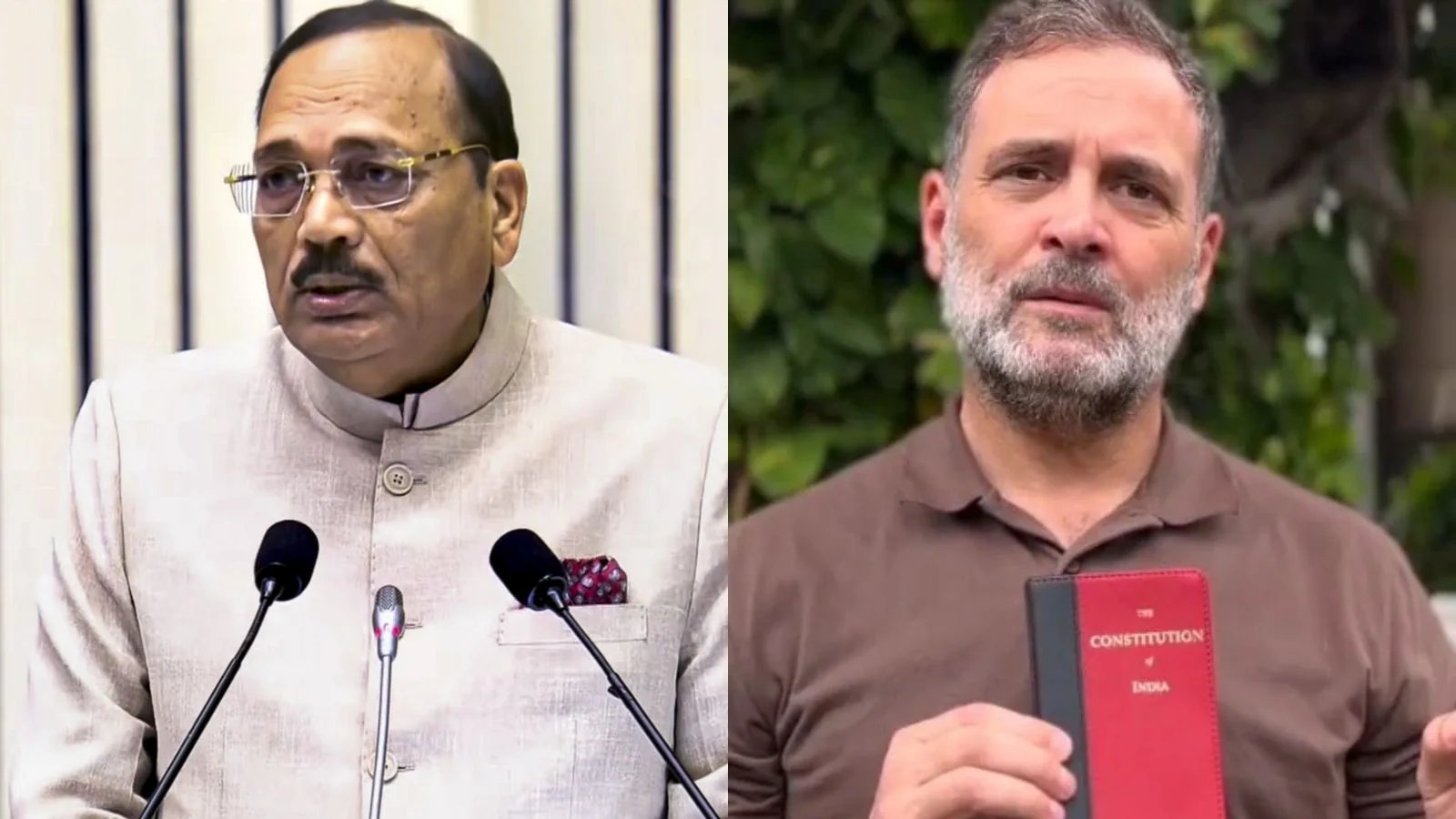
Supreme Court registry officials said the joint petition, filed by Congress chief Rahul Gandhi and a coalition of opposition leaders, alleges widespread irregularities in the Special Intensive Revision of electoral rolls conducted by Election Commissioner Gyanesh Kumar. The petition names the Election Commission of India, the chief poll‑body officer, and two senior commissioners as respondents.
The registry listed 14 specific defects, including the absence of authorisations from nine petitioners, a missing vakalatnama, and an illegible photocopy of Congress president Mallikarjun Kharge’s identity card. Additional errors cited were small fonts, non‑submission of coloured copies for two documents, and inconsistencies in page numbering, all of which could undermine the petition’s admissibility.
In its filing, Rahul Gandhi and his allies seek ten forms of relief: a full audit of the SIR process, the removal of officials deemed responsible for alleged vote‑theft, a halt to the current roll‑revision scheme, and a return to paper ballots. They also demand that the Court examine the constitutional validity of the SIR decisions.
The petition was filed after a mass march in central Delhi, part of the March for Democracy, where thousands of opposition supporters streamed to the Supreme Court building. Earlier that day, the leaders had requested an audience with Chief Justice Surya Kant, only to be told the matter was sub‑judicature.
The Court has instructed the petitioners to rectify the listed defects before the case can be scheduled for hearing. If the corrections are made, the Court will set a hearing date; otherwise, the petition may be dismissed.
A 12‑year‑old boy from Delhi, who watched the march from a nearby bus stop, told reporters that he hoped the Court’s decision would restore faith in the electoral process.