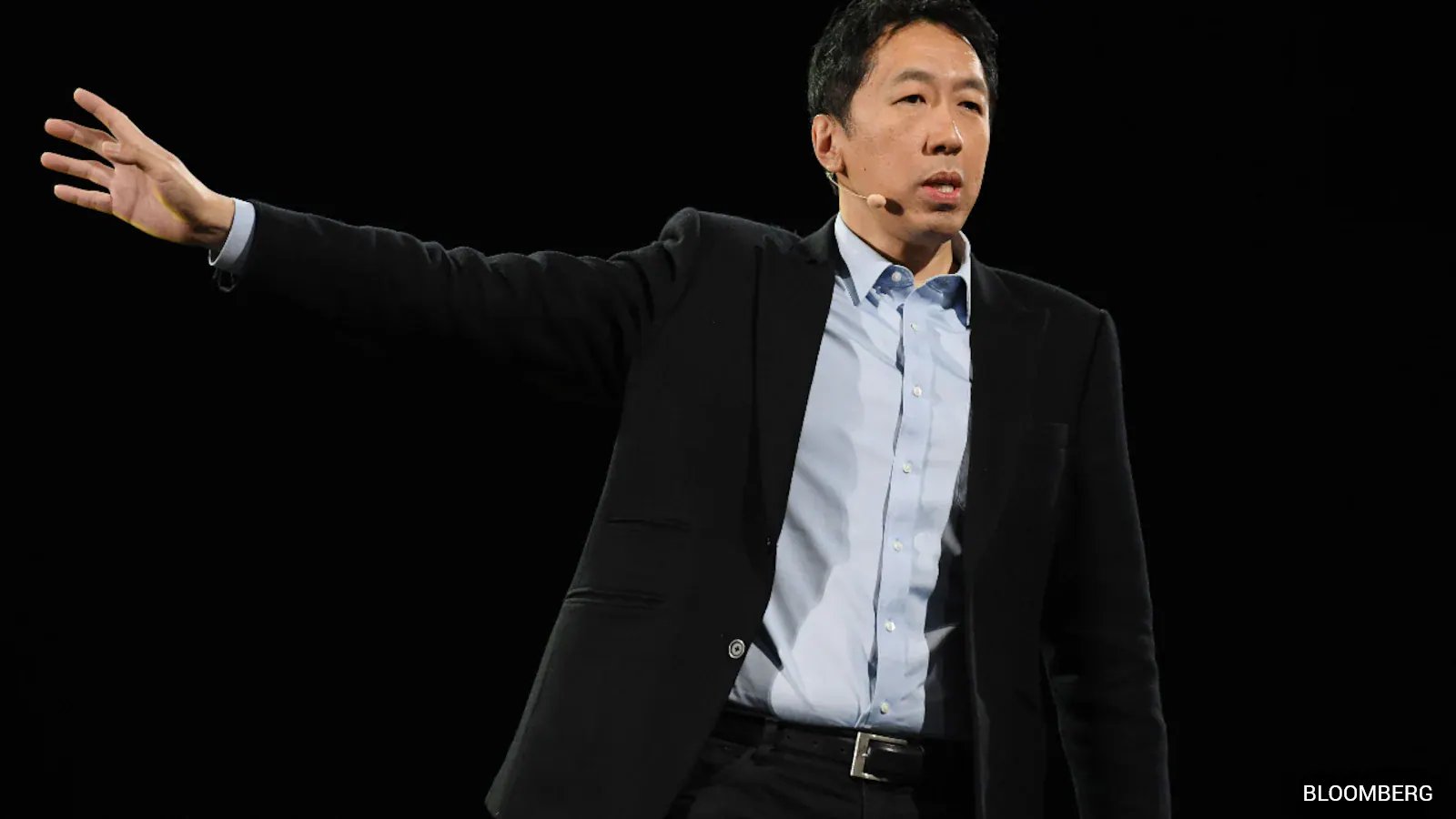
Andrew Ng, co-founder of Google Brain and Coursera, delivered a sharp rebuttal to the mounting panic over artificial intelligence killing humanity. Speaking on Bloomberg TV Thursday, Ng dismissed the existential threat narrative as "much more science fiction than science." He argued that these warnings serve a different purpose: boosting publicity and shaping regulation in ways that could stifle the technology's societal benefits.
The comment lands with significant weight. It comes days after Jacob Coxon, a former researcher at Anthropic and OpenAI, resigned with a blistering public letter accusing both companies of "gambling with our lives" by racing toward super-intelligent AI. Coxon’s departure ignited a firestorm, bringing long-simmering internal safety debates into the mainstream spotlight. Another DeepMind researcher recently resigned, echoing similar concerns about the timeline for catastrophic harm.
Ng, who worked with both Sam Altman and Dario Amodei early in their careers, takes a divergent path. While he acknowledges real risks—specifically in cybersecurity—he rejects the doomsday framing. "I was quite dismayed over the past two weeks," Ng stated, referring to the sudden spike in fear-mongering. He described the current climate as a "wave of PR" that distracts from "practical engineering problems" the industry should be solving to safeguard AI development.
This public split fractures the AI leadership consensus. Altman and Amodei have recently called for pacing the development of cutting-edge models, signaling a shift toward caution. Ng’s counter-argument suggests that prioritizing speed and utility over speculative existential risks remains the preferred strategy for a significant portion of the tech elite. The debate now moves from internal safety teams to boardrooms and regulatory lobbies, where the definition of "safe AI" is being aggressively contested.
Regulators in Washington and Brussels are watching closely. If the "science fiction" label gains traction, it could weaken the legal basis for immediate, heavy-handed AI safety mandates. The next critical step involves whether major labs will publish detailed safety audits in response to Coxon’s accusations, or if they will follow Ng’s lead in dismissing the existential angle as counterproductive. The industry’s unified front on safety is cracking, and investors are taking note.