USIranMiddleEastDefensePolitics
Trump Deploys Carrier Strike Group for Iran Strikes Post-Nov 3 Elections
Published: October 25, 2026
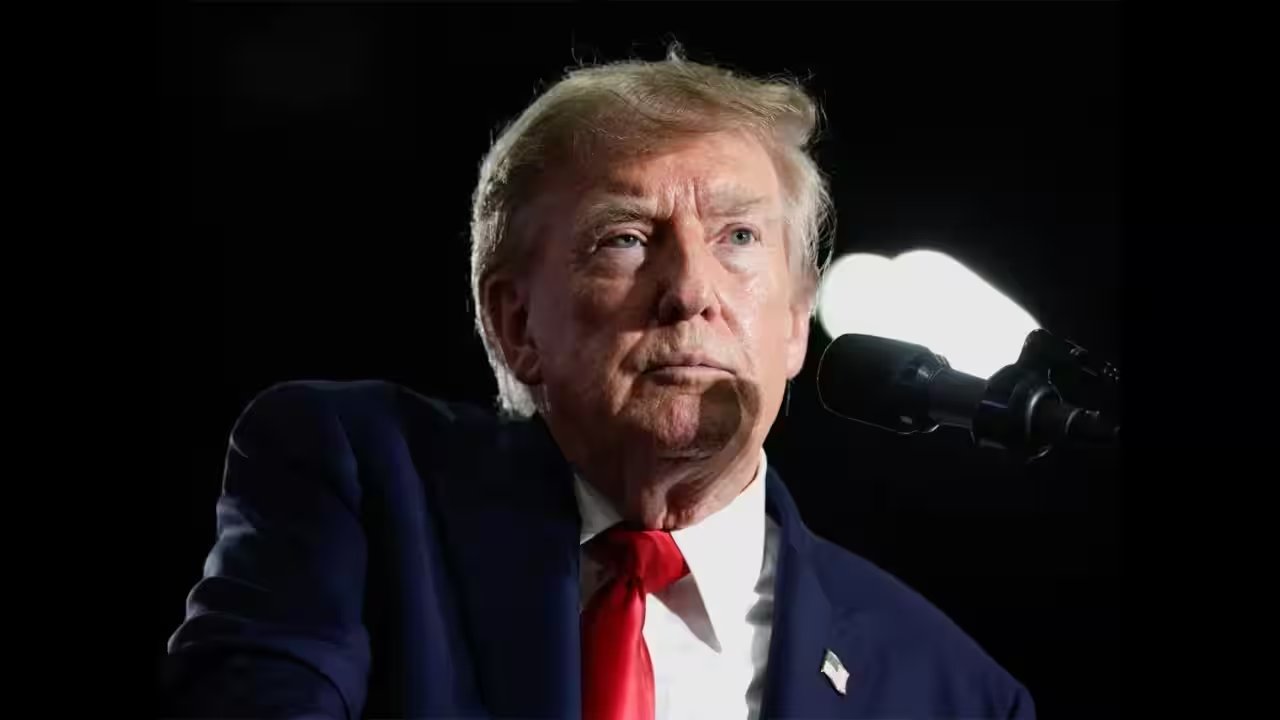
President Donald Trump ordered a third aircraft carrier strike group and 10,000 sailors and Marines to the Persian Gulf after the November 3 midterm elections. The move is expected to heighten tensions as Iran prepares to retaliate across West Asia.
President Donald Trump announced the deployment of a third aircraft carrier strike group, comprising 10,000 sailors and Marines, to the Persian Gulf on November 3, 2026, to strengthen U.S. options for striking Iran.
Defense Secretary Pete Hegseth surprised Israeli officials with an unscheduled visit to Jerusalem, where he met Prime Minister Benjamin Netanyahu just days after the Israeli leader announced a re‑election campaign, signaling a coordinated U.S.–Israel front.
The State Department has ordered the withdrawal of several diplomatic families from Saudi Arabia, where Iran‑backed Houthi rebels have intensified drone and missile attacks on Riyadh's airports and energy facilities, claiming dozens dead and hundreds wounded.
Iranian Foreign Minister Abbas Araghchi told a televised audience that resuming hostilities would not alter Tehran's policy, emphasizing that past wars have failed to yield different outcomes and that the nation is already preparing for a post‑war scenario.
Experts warn that the renewed strike campaign could provide Netanyahu a political rally point while Trump seeks to project domestic strength, but both leaders risk entanglement in a conflict that could exacerbate regional instability.
With the new U.S. Congress slated to convene in January, Washington is monitoring Tehran's next move, while Iran gears up to launch counterstrikes across West Asia, potentially targeting Israeli and UAE shipping lanes.