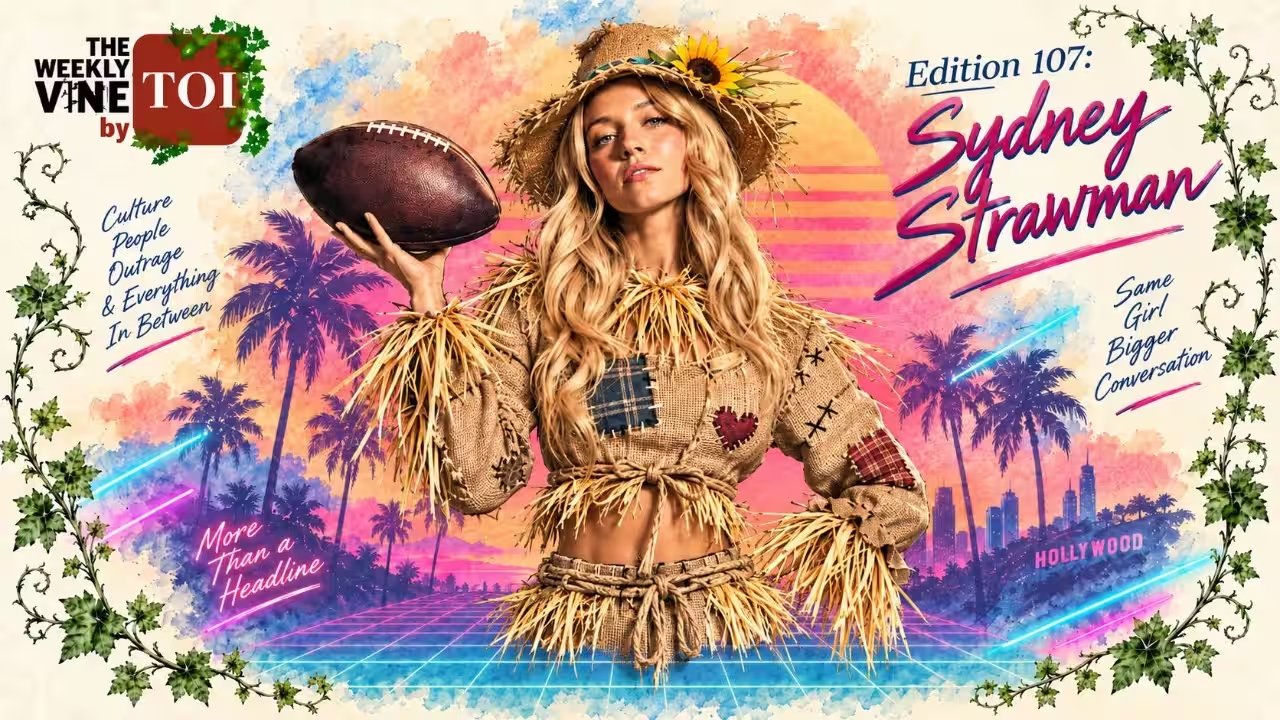
But the real headline isn’t the ad itself—it's the ripple effect it’s sending across arenas and screens. The clip, a slick montage of high‑stakes graphics and Sweeney’s sultry smile, went viral before the cease‑fire button could even flicker.
And the backlash was swift. Olympic champion Ariarne Titmus called the campaign "infuriating" in a tweet that trended for 48 hours, while sprinter Amy Hunt blasted the ad as a potential hurdle for young women in sports. “It’s about what a woman’s body can do, not how it looks,” Hunt said, her words echoing across the sports community.
Yet the controversy didn’t stop there. A Twitter thread exploded when a meme shared Sweeney’s face next to Serena Williams, Ronda Rousey, and Megan Rapinoe—creating a visual protest that amassed 3.5 million likes in a single day. The image was a stark reminder that when a public figure steps into a commercial, she can unintentionally become a political symbol.
So what does this mean for the film world? Hollywood’s star‑powered marketing machines have long relied on the allure of celebrity. This incident shows that even a brief, two‑minute spot can shift the narrative, turning a simple endorsement into a cultural conversation that spills onto film sets, streaming platforms, and award shows.
Looking ahead, Sweeney’s next project—an indie thriller titled "The Gambler’s Edge"—will probably face extra scrutiny. Critics are already speculating whether the film’s plot will mirror the controversy, using the gambling trope as a commentary on fame and the price of freedom. Only time will tell how the industry navigates the fine line between art and advertisement.
For now, the ad remains a cautionary tale: a single commercial can ignite global debate, and when a star like Sweeney steps onto the screen, the stakes are higher than ever.