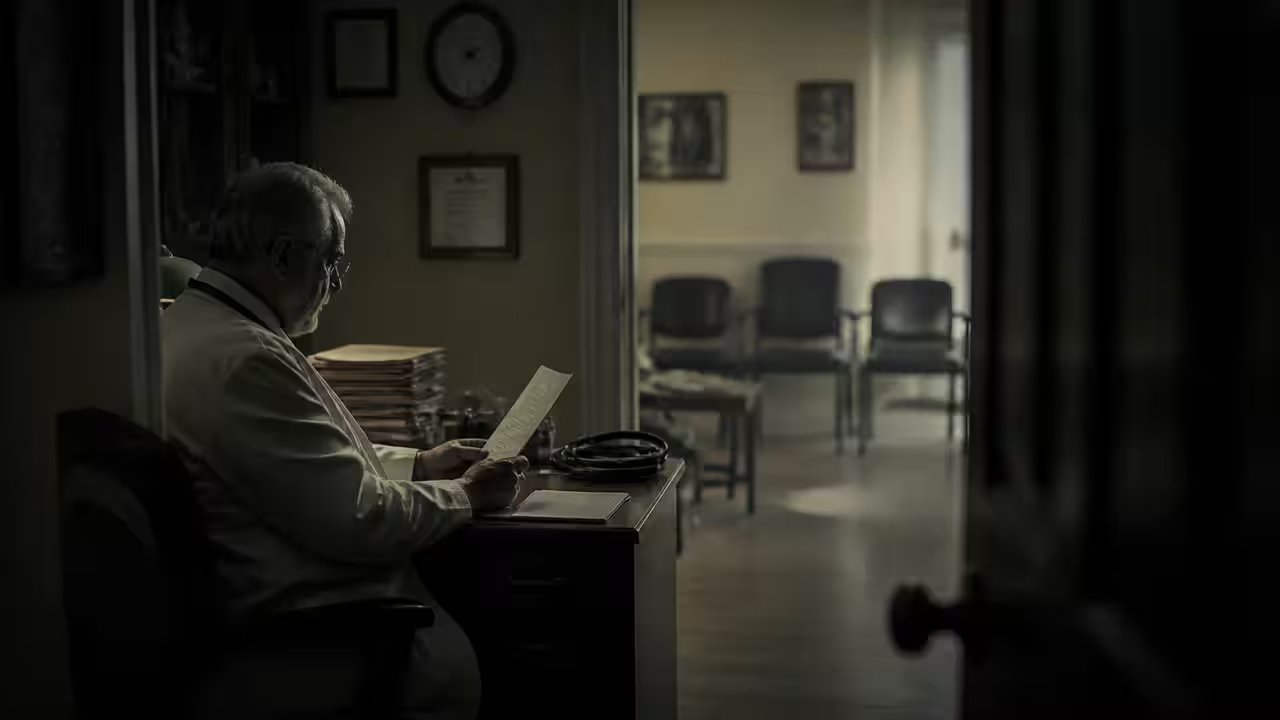
Harold Shipman, a general practitioner who served in Todmorden and Hyde, was found guilty on 31 January 2000 of murdering 15 patients, a verdict that shocked the nation.
Investigations traced his lethal practice back to 1975, when he first administered fatal doses of diamorphine to elderly patients, making deaths appear natural. The inquiry, chaired by High Court judge Dame Janet Smith, examined 888 cases and concluded Shipman had murdered approximately 250 patients – 171 women and 44 men – a figure that dwarfs the 15 charged.
The case of 81‑year‑old former Hyde mayor Kathleen Grundy, whose will named Shipman as sole beneficiary, sparked the investigation. Her daughter, solicitor Angela Woodruff, suspected forgery and reported the matter, leading to Shipman’s arrest in September 1998.
Despite early warnings from Dr Linda Reynolds in March 1998 about unusually high death rates among Shipman’s patients, Greater Manchester Police failed to act decisively, allowing the killings to continue for years. The inquiry highlighted serious shortcomings in the police and coroner’s handling of the evidence.
The final Shipman Inquiry report, issued in January 2005, prompted the UK Parliament to enact the Death Registration (England and Wales) Act 2007, mandating independent death reviews and tighter controls on opioid prescriptions. These reforms are credited with halting similar serial killings and reshaping death certification nationwide.