TalibanAfghanistanGenderBargainingEducationHumanitarianCrisis
Taliban Revokes Women’s Work Rights, 2.6 Million Afghan Girls Lose Secondary School Access
Published: October 17, 2026
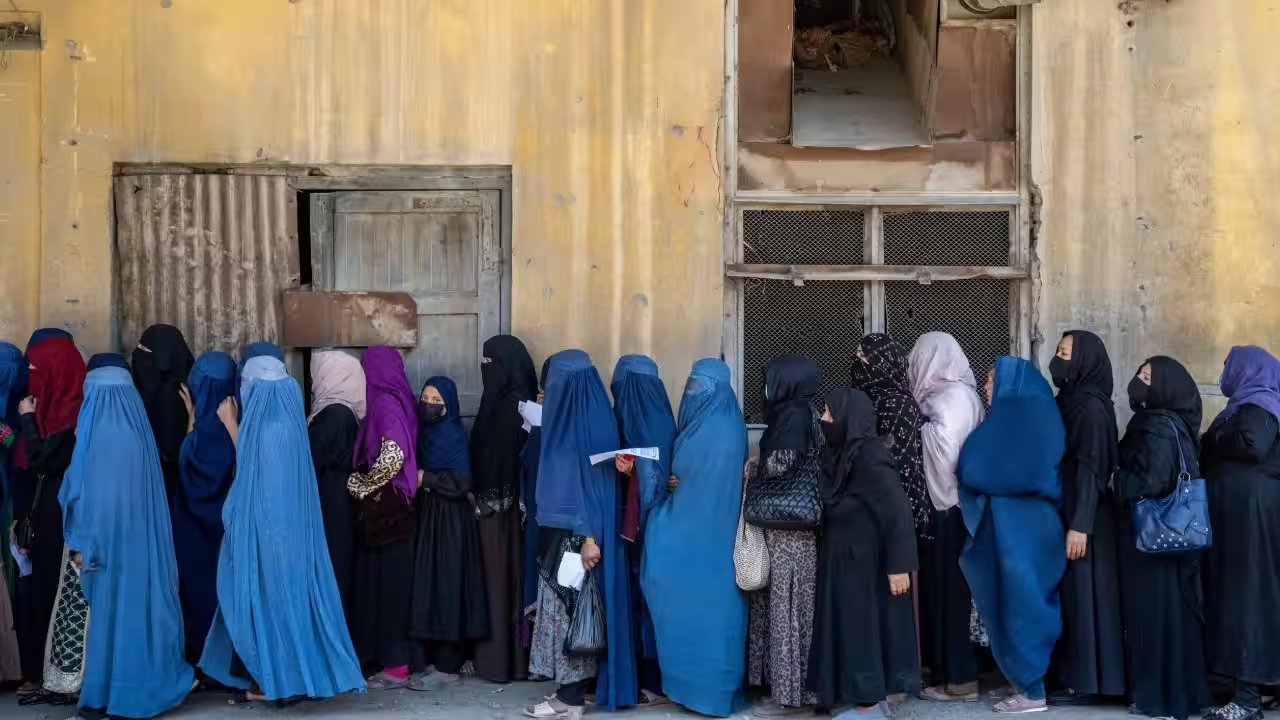
Taliban officials revoked women’s right to work and barred 2.6 million Afghan girls from secondary schooling in January 2026. The move has prompted a UN warning that Afghanistan risks losing 25,000 female teachers by 2030, sparking calls for a humanitarian aid surge.
Taliban officials revoked women’s right to work and barred 2.6 million Afghan girls from secondary schooling in January 2026, deepening a crisis that threatens to erase a generation of female professionals.
The decree follows a cascade of more than 100 Taliban edicts that, since August 2021, have shuttered beauty salons, blocked women from parks, gyms, and public baths, and mandated male guardianship for all travel.
UN Women reports that the policy has slashed female employment to a fraction of pre‑2021 levels, while UNESCO data shows the number of female teachers fell from 98,196 in 2019 to 66,208 in 2024, a 32% decline that could leave 25,000 women out of the workforce by 2030.
The United Nations has warned that the cumulative effect could cripple Afghanistan’s rebuilding efforts, and the World Food Programme has flagged a 40% drop in humanitarian assistance since the new law, putting millions at risk of starvation as winter approaches.
One 27‑year‑old textile worker, Fatima, who once sold fabrics in Kabul’s bazaar, now lives in a cramped apartment with her three children, her hands calloused by the work she can no longer legally do.
The Taliban says the reforms aim to preserve cultural values, but critics argue they violate international human rights obligations; the next UN Human Rights Council meeting will debate sanctions.