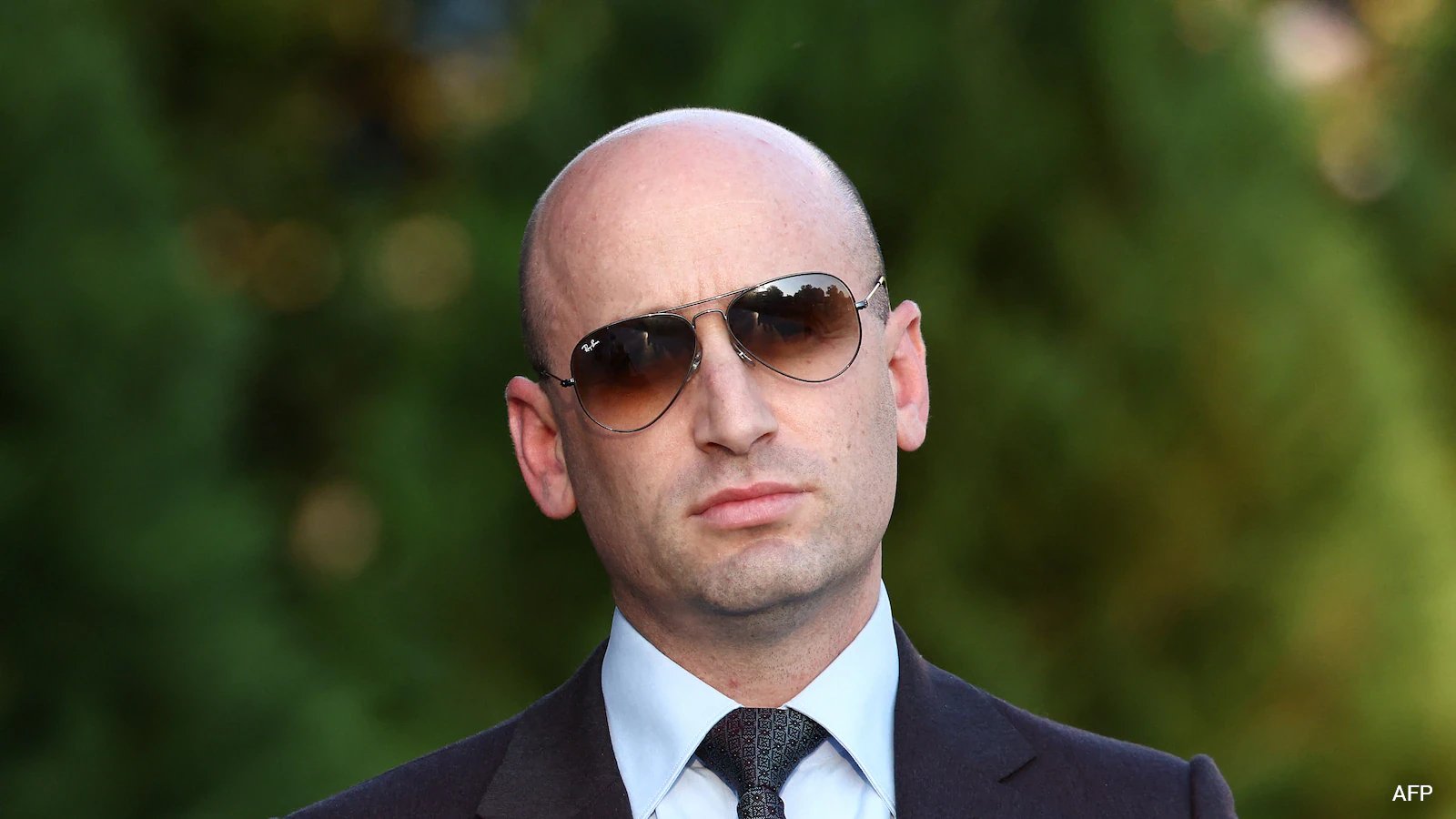
Stephen Miller, the architect of Donald Trump’s toughest domestic policies, has taken over as White House Chief of Staff. He replaces Susie Wiles, who stepped down after the Republicans lost control of Congress in this week’s midterm elections. This power shift lands in New Delhi with a jolt, given Miller’s history of openly attacking India’s strategic and economic choices.
Miller has not been subtle in his grievances. In 2025, he declared that India’s purchase of Russian crude was “not acceptable,” alleging it helped “finance” Russia’s war in Ukraine. He also accused New Delhi of imposing “massive tariffs” on American goods and “cheating” the US immigration system. These comments fueled the backdrop for the 25 percent tariff the US imposed on Indian products. India stood firm, stating it would continue buying Russian oil despite the threats.
The political timing is delicate. The midterm rout reportedly raised questions about whether Trump’s hardline stance alienated Indian Americans, a community that had shown growing openness to the GOP in 2024. This cycle saw the rise of the “Samosa Caucus,” with several Indian-American Democrats winning seats. Miller, however, remains a key figure in the administration’s immigration strategy, having pushed for stricter H-1B visa rules and the restriction of skilled foreign workers.
Miller’s record includes controversial moments that test diplomatic boundaries. Earlier this year, after a Border Patrol agent shot dead US citizen Alex Pretti in Minneapolis, Miller initially labeled the victim a “domestic terrorist.” He later walked back the comment, suggesting the agents “may not have been following” protocol. Despite these friction points, Miller has acknowledged the value of the personal relationship between Trump and Prime Minister Narendra Modi, calling it a “tremendous relationship with India.”
At 41, Miller is no stranger to the White House. He joined Trump’s 2016 campaign, served as an adviser in the first term, and founded the conservative group America First Legal after the 2020 loss. Now back as Deputy Chief of Staff and Homeland Security Adviser, his elevation to the top operational role suggests the administration intends to double down on policy enforcement. Watch for immediate moves on visa processing and trade negotiations in the coming weeks.