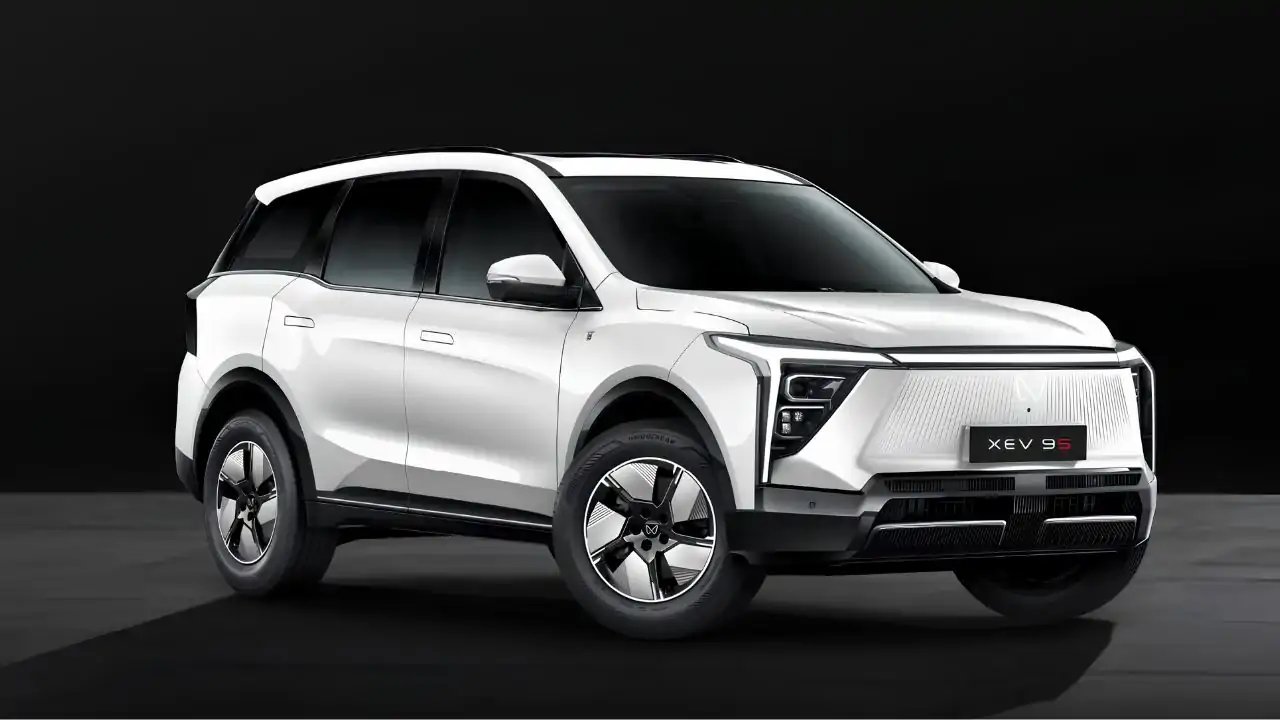
On the back of a record‑breaking 1 lakh cumulative sales, Mahindra’s BE 6, XEV 9e and XEV 9S prove that electric SUVs can now compete in the mid‑price segment. The milestone was reached in just 18 months from the first customer deliveries on 20 March 2025.
The numbers break down as follows: XEV 9e leads with 34 369 units, followed by BE 6 at 20 108 and the three‑row XEV 9S at 11 138 as of the end of April. The XEV 9S had only four months of deliveries by that point, so its share is likely to rise.
All three models sit in the ₹20‑30 lakh price band. The BE 6 has been re‑branded as BE 6 Sporteq after an August update, while the XEV 9e and XEV 9S keep their original names. A battery‑as‑a‑service scheme starts at ₹11.45 lakh, with battery rental charged separately.
Factory‑to‑dealer billings topped 65 615 by the end of April and crossed 1 lakh in September, averaging about 6 900 billings a month. However, these figures are dispatches; many cars may still be in transit or in stock, so actual on‑road registrations lag behind.
Against rivals, Mahindra’s three models offer a 5‑seat and a 7‑seat option, matching the Tata Nexon EV’s 5‑seat layout and MG ZS EV’s 5‑seat plus optional 2‑row seating. The price range is comparable, but the battery‑as‑a‑service option gives buyers a lower upfront cost.
The next wave of OTA updates is slated for January 2027, unlocking new software features for existing owners. Availability of the XEV 9S began in January 2026, and the BE 6 will roll out across all major metros by the end of this year. Buyers should keep an eye on registration numbers as they often trail factory sales.
For those looking to buy now, the key takeaway is that Mahindra’s electric SUVs have proven to sell, but the on‑road numbers still need to catch up. Keep an eye on dealer inventory and registration data before making a final decision.