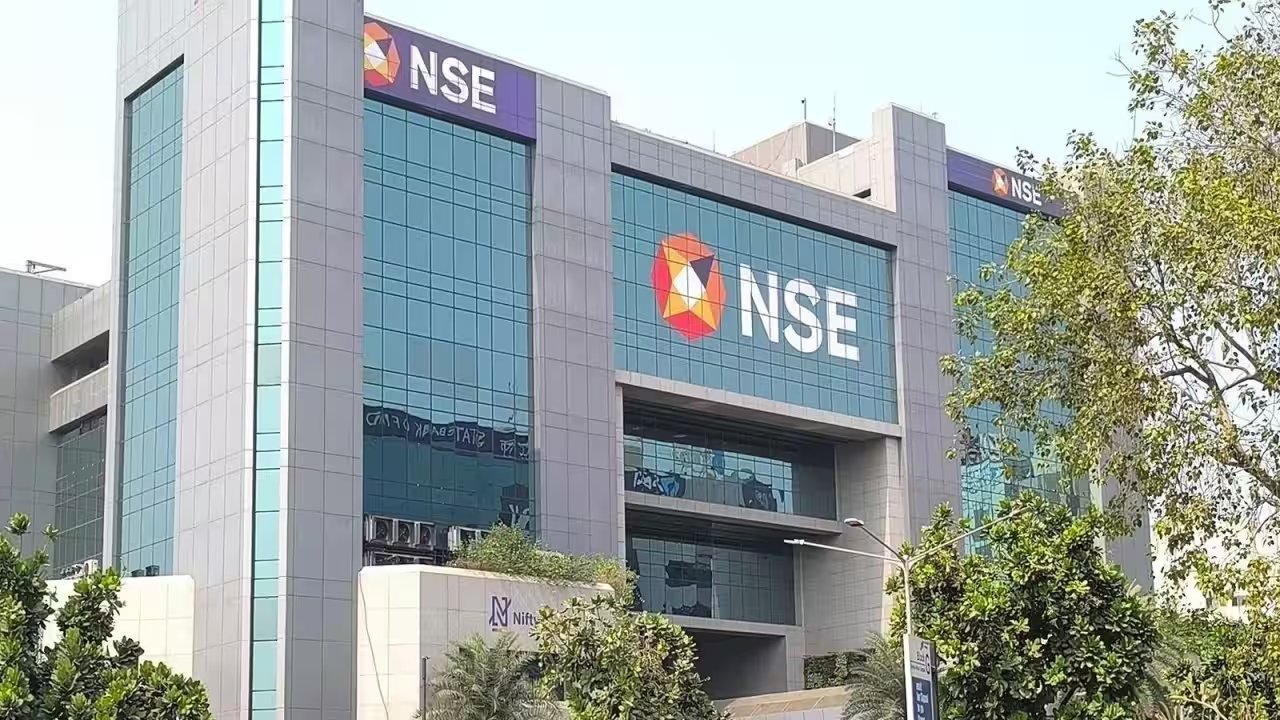
The wait is over, but the party is quiet. NSE shares opened at Rs 1,800 on the BSE, just a 0.84% premium over the issue price of Rs 1,785. By the bell, the stock had climbed to Rs 1,818, locking in a 1.85% gain for early buyers. It’s a modest start for what was supposed to be the IPO of the year. The grey market premium (GMP) had collapsed from 14-17% earlier this week to under 2% before the listing, signaling a sharp drop in retail euphoria. Traders were right to be cautious. The supply overhang is massive.
Valuation is the big talking point. At the close, NSE commands a market cap of Rs 4.45 lakh crore. That’s a staggering 3.3x the current valuation of its rival, the BSE, which sits at Rs 1.33 lakh crore. For context, NSE generated significantly higher revenues and profits, but the premium reflects its dominant market share in derivatives. The question now is whether the market will pay up for that dominance or if the BSE’s cheaper multiple becomes the anchor for valuation. Analysts are split. Some see the premium as justified by growth; others call it a bubble waiting to burst.
Why the muted debut? It’s all about supply. This was a 100% OFS (Offer For Sale) by existing shareholders. NSE itself received zero cash. The proceeds went to sellers like LIC, SBI group entities, and foreign funds. With no new money going into the company’s coffers, the stock’s performance hinges entirely on secondary market demand. The anchor investors—GIC, ADIA, Norges Bank, and over 25 mutual funds—locked in their stakes for varying periods. But as those lock-ins expire, a flood of shares could hit the market. Until then, liquidity might be tight, which could artificially push prices up or down with small trades.
The strategic landscape is shifting. NSE MD and CEO Ashish Chauhan confirmed the exchange will not list its own shares on its own platform, citing Sebi regulations. Instead, it’s trading on BSE and MSEI. This is a rare sight: the biggest player in town listed on its competitor’s exchange. It highlights the regulatory friction in Indian capital markets. For investors, this means cross-listing complexities but also a check on NSE’s dominance. BSE gets a boost in relevance, and NSE loses a bit of its moat.
What’s next? Watch the next 30-60 days. If the stock holds above Rs 1,850, it signals strong institutional buying. If it slips below the issue price, it’s a warning. The real test is when the first tranche of lock-in shares hits the market. Until then, volatility will be the norm. Traders should focus on derivatives volumes—NSE’s core revenue driver. If FII flows into derivatives, NSE wins. If they pull out, the stock suffers. It’s a long game. Don’t chase the highs. Wait for the dust to settle.