invasive speciesmarine conservationWashington stategreen crabwildlife management
Washington State Seizes Record 2.16 Million Green Crabs in 2025‑26 Fiscal Year
Published: October 15, 2026
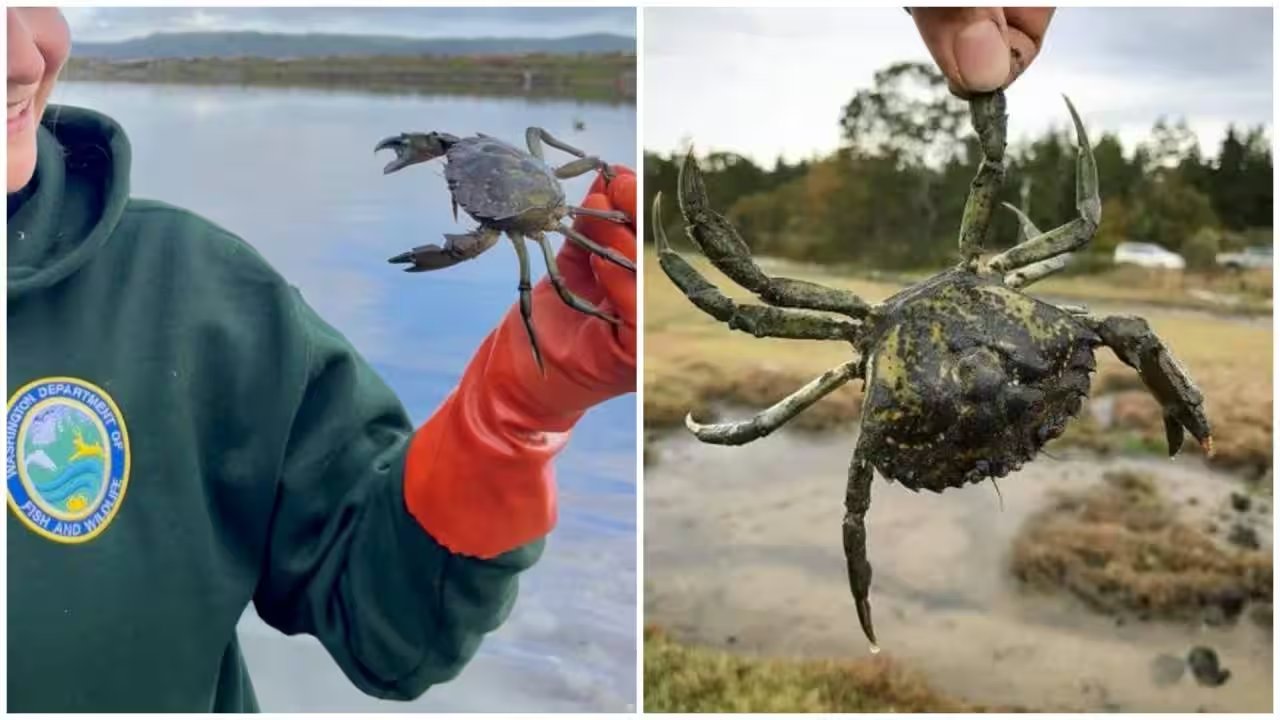
Washington Department of Fish and Wildlife removed 2.16 million invasive European green crabs from the state’s coastal waters between July 1 2025 and June 30 2026. Despite the record capture, scientists warn the species remains entrenched and lawmakers have earmarked additional funding for next‑fiscal‑year eradication efforts.
Washington Department of Fish and Wildlife (WDFW) reported that 2,133,725 green crabs were hauled in by its Coastal Branch, while the Salish Sea Branch collected 24,827 during the 2025‑26 fiscal year—a new high for the program. The capture window spanned July 1 2025 to June 30 2026, with peak monthly totals coinciding with increased funding and altered weather patterns.
The effort follows a 2022 emergency declared by former Governor Jay Inslee and a $8 million legislative appropriation. WDFW estimates that removing more than two million crabs may have stopped tens of billions of larvae from entering state waters, potentially curbing the species’ spread.
Yet researchers caution that established populations persist. Brian Turner told KUOW that officials saw “some pretty dramatic increases,” while Emily Grason warned that the invasion “has not reached any sort of equilibrium.”
European green crabs wreak havoc on native shellfish and eelgrass beds, preying on clams, oysters, mussels and small crustaceans. Their unchecked feeding can collapse local food webs, endangering commercially valuable species and the habitat of endangered salmon.
To keep the tide of invasion at bay, the state legislature has earmarked an additional $2 million for the 2027 fiscal year, earmarked for early detection, rapid response and sustained monitoring of green crab hotspots.
The WDFW plans to deploy more traps and collaborate with the Washington Sea Grant Crab Team to refine its suppression strategy. As the state rolls out this expanded budget, scientists say the focus must remain on preventing larval release and protecting vulnerable coastal ecosystems.