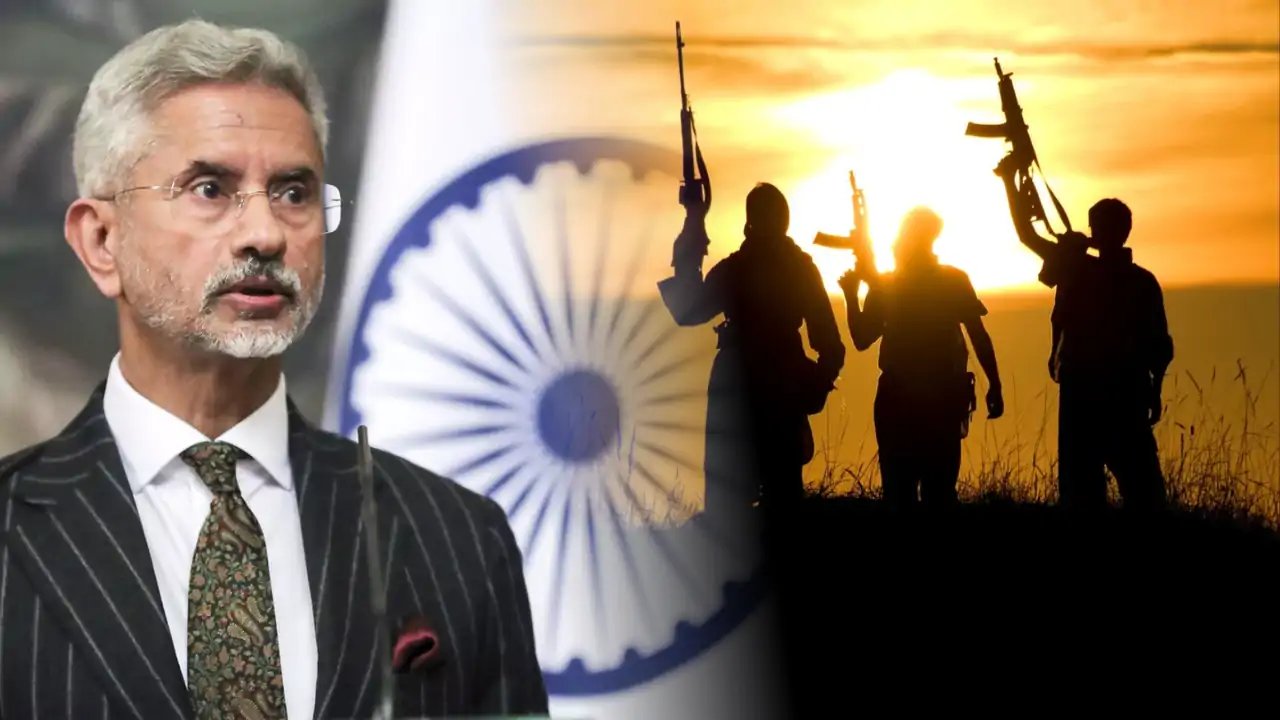
S Jaishankar slammed Washington’s stance on cross‑border terrorism during a speech at the Asia Society in New York after the UN General Assembly’s High‑Level Week. "There isn’t enough understanding or appreciation or empathy of that," he said, warning that the disconnect could hurt India’s bilateral ties.
He pointed to the trade negotiations as another area rattled by the U.S. tariff shift. The earlier reciprocal‑tariff framework was struck down, leaving Section 301 as the new basis for tariff action. The trade minister, Piyush Goyal, will travel to the U.S. from September 29 to October 5 to finish talks, but the Section 301 review could delay a deal that India estimates could boost bilateral trade by up to ₹4,200 crore.
For small‑scale manufacturers in Delhi and farmers in Rajasthan, a delay means higher import duties on machinery and raw materials, potentially pushing up consumer prices. The stakes are high for businesses that rely on timely access to U.S. components.
The next step will be the U.S. tariff review, expected to conclude by mid‑October, after which the two sides will decide whether to sign the agreement. India will likely seek assurances that the U.S. will not impose further unilateral tariff changes.