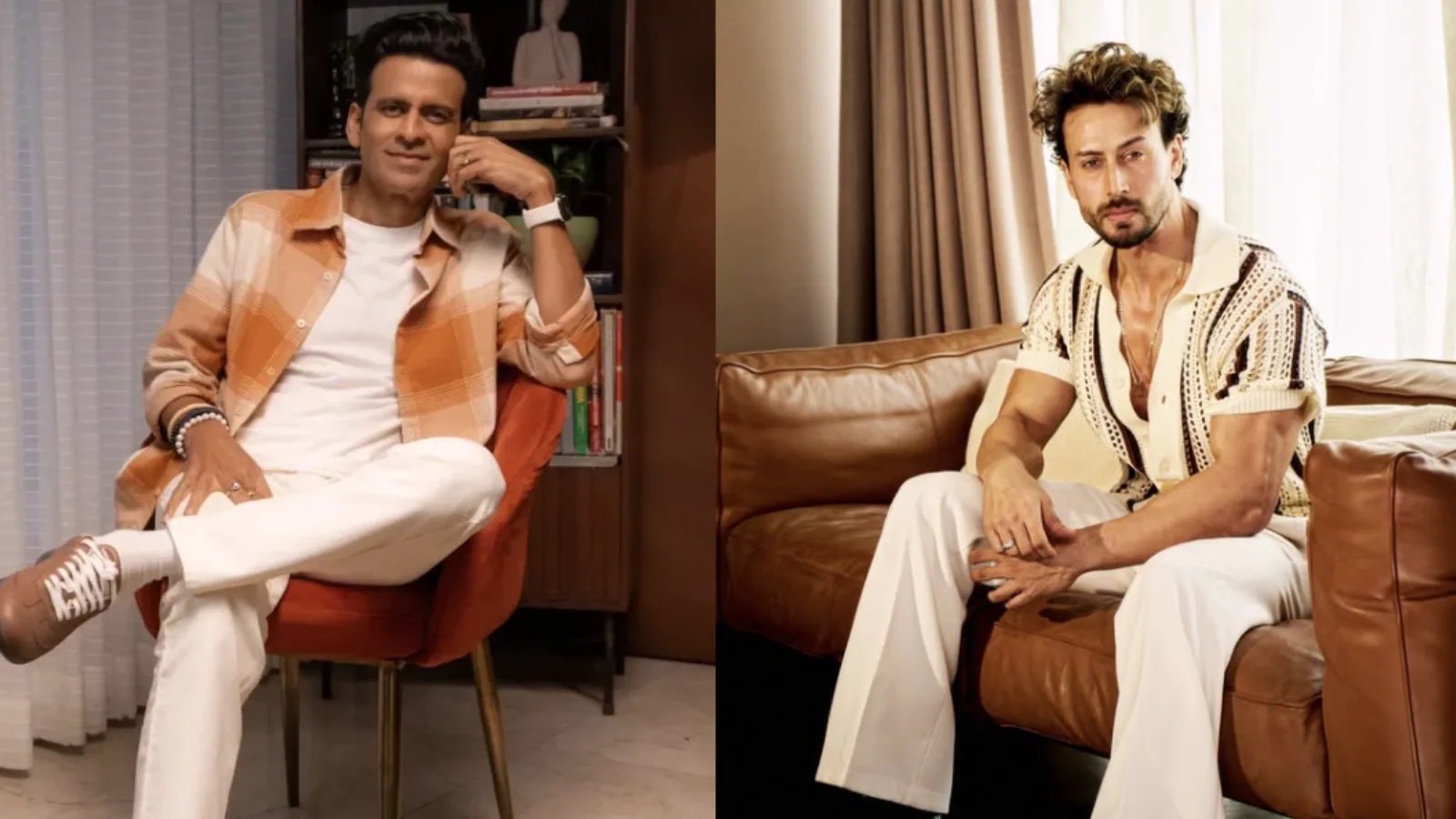
The gunfire directed toward Tiger Shroff last month cracked open an uneasy quiet in Mumbai's film corridors. Manoj Bajpayee calls the escalating intimidation facing Hindi cinema figures deeply concerning — warning that the grammar of extortion and violence against actors has mutated into something far more erratic. Fear has returned. But its architecture is brand new.
Following the assault, leading industry veterans rushed to erect hardened physical barriers around their daily lives. Amitabh Bachchan greeted throngs of admirers outside his Juhu residence, Jalsa, on Sunday from behind a newly installed shield of bulletproof glass. The spectacle laid bare a grim reality: the illusion of accessible stardom has yielded to fortress protocols across suburban Mumbai.
Bajpayee dismissed easy historical comparisons to the extortion-heavy 1990s, when organized crime cartels ran open shakedowns across the entire production ecosystem. The dynamic today operates on a fractured, unpredictable axis.
It will never go back to the same old time. That time, the industry was the target, right now, it's not this time.
Speaking candidly on the shifting nature of the threat, the Satya actor broke down the operational mechanics driving the latest wave. Masterminds no longer need boots on city streets; they run operations through digital proxies from across borders and continents.
The pace and definition of the crime has changed completely. Someone sitting somewhere else and sending their shooters to attack a target, and that target may even not be the real target.
Investigators confirmed that suspects arrested in connection with the Shroff case conducted reconnaissance on the homes of three of India's biggest screen icons: Akshay Kumar, Amitabh Bachchan, and Aamir Khan. Shroff was caught in the blast radius of that wider campaign. Bajpayee pointed out that Shroff "was not the target but suddenly became one" as syndicate operators shifted sights on the fly.
"The whole conversation was about these other stars who were the real target and now they have to surround themselves with utmost safety," Bajpayee noted. Yet he remains confident in state intervention, pointing out that administrative agencies have stepped into the breach to clamp down on emerging syndicates. "They are monitoring the situation and taking all the precautions. I just hope that things get better, comfortable and safer for all of us."
Bajpayee, who drew critical praise in Last Man In Tower, is steering his creative attention toward a heavyweight historical project despite the tense backdrop in the industry. The actor will play Mahatma Gandhi in director Sudhir Mishra's next feature, a project structured around a critical 21-day chapter in Gandhi's life during India's partition and independence.
Along with the Mishra period piece, Bajpayee has boarded the offbeat feature Police Station Mein Bhoot. Production timelines and state security arrangements for both projects will proceed under heightened police surveillance across outdoor schedules in Maharashtra.