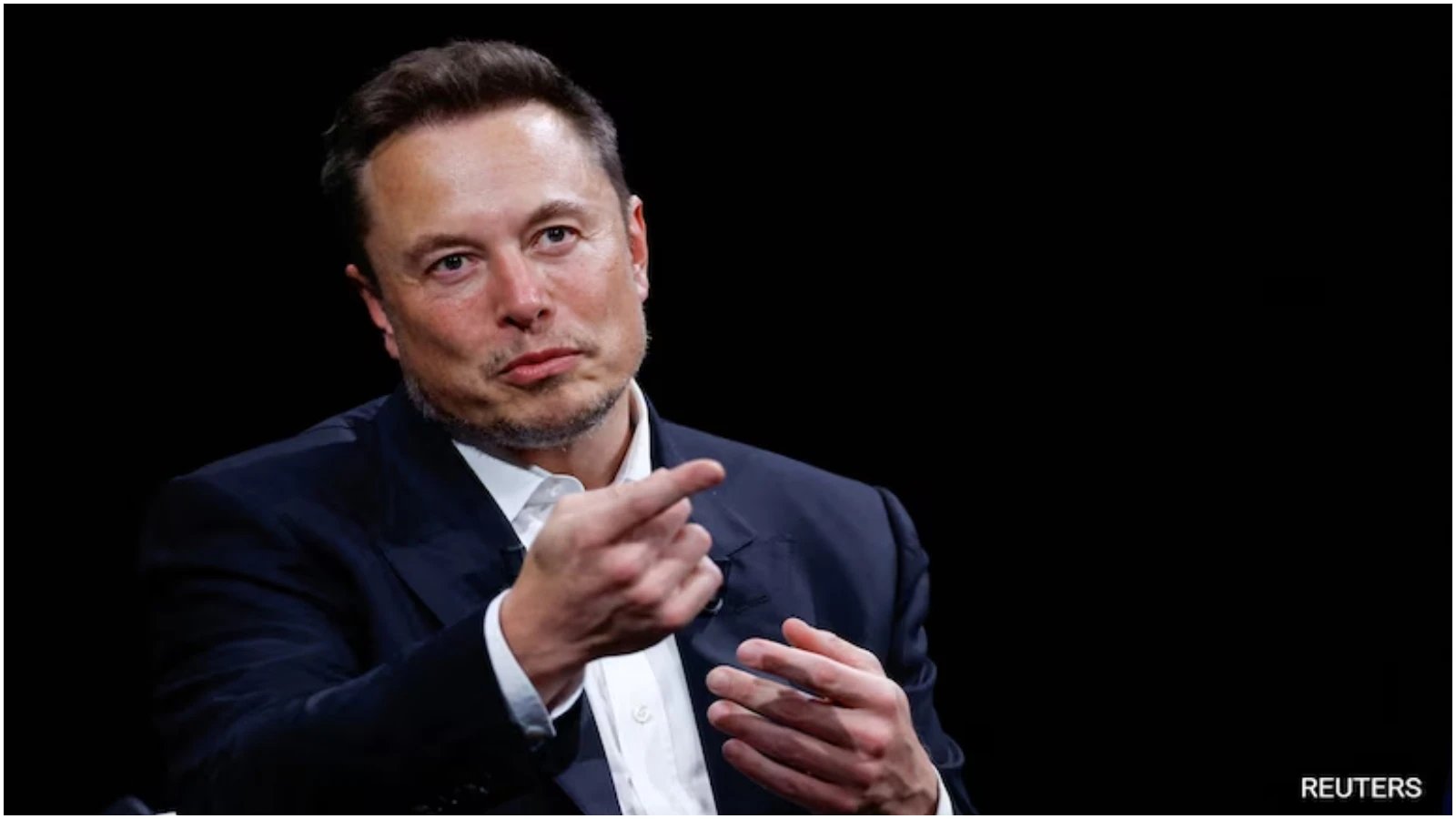
Elon Musk turned to X on October 7, 2026, to launch a direct attack on unnamed Indian "oligarchs" whom he accused of strangling Starlink's market entry. The SpaceX and Tesla chief did not name names, but the implication landed with the weight of a sledgehammer in a sector already tense around market consolidation and regulatory hurdles. "Unfortunately, we are being blocked by certain oligarchs in order to maintain their monopolistic chokehold on the Indian people," Musk wrote. "You can guess who they are... This is a crime against the people of India!"
The accusation follows a specific data point shared by the X handle DodgeDesigner, which tracks Musk’s business moves. The post highlighted that 11,256 of India’s listed villages still lacked 4G coverage as of May 2026. Musk amplified this figure, arguing that the delay denies high-speed, affordable connectivity to rural populations who cannot afford current urban-centric pricing structures. He framed the regulatory wait as an active suppression of technology rather than a bureaucratic lag.
The friction is notable because the bureaucratic groundwork is largely done. At the India Mobile Congress 2026, Lauren Dreyer, Vice President of Business Operations at Starlink, confirmed the company has already built the necessary infrastructure. Starlink has established 20 gateway sites comprising hundreds of antennas across the country. Dreyer emphasized that the setup strictly adheres to Indian security requirements, specifically keeping user data within Indian borders. The government has already granted licenses to three satellite communication providers, including Starlink, but final spectrum and security clearances remain the bottleneck.
This isn't the first time Musk has signaled impatience with the Indian regulatory process. He reposted a clip from an old podcast featuring Nithin Kamath, founder of Zerodha, where Musk discussed the long wait for approvals. "It's been nearly four years since Starlink applied to operate in India, and it is still waiting to launch," the accompanying text read. For millions of rural Indians, the silence from New Delhi means continued connectivity gaps, while for Musk, it looks like a rigged game. The next step hinges entirely on the telecom regulator’s final nod on spectrum allocation, a decision that could finally unshackle the 20 gateway sites sitting idle in the Indian landscape.