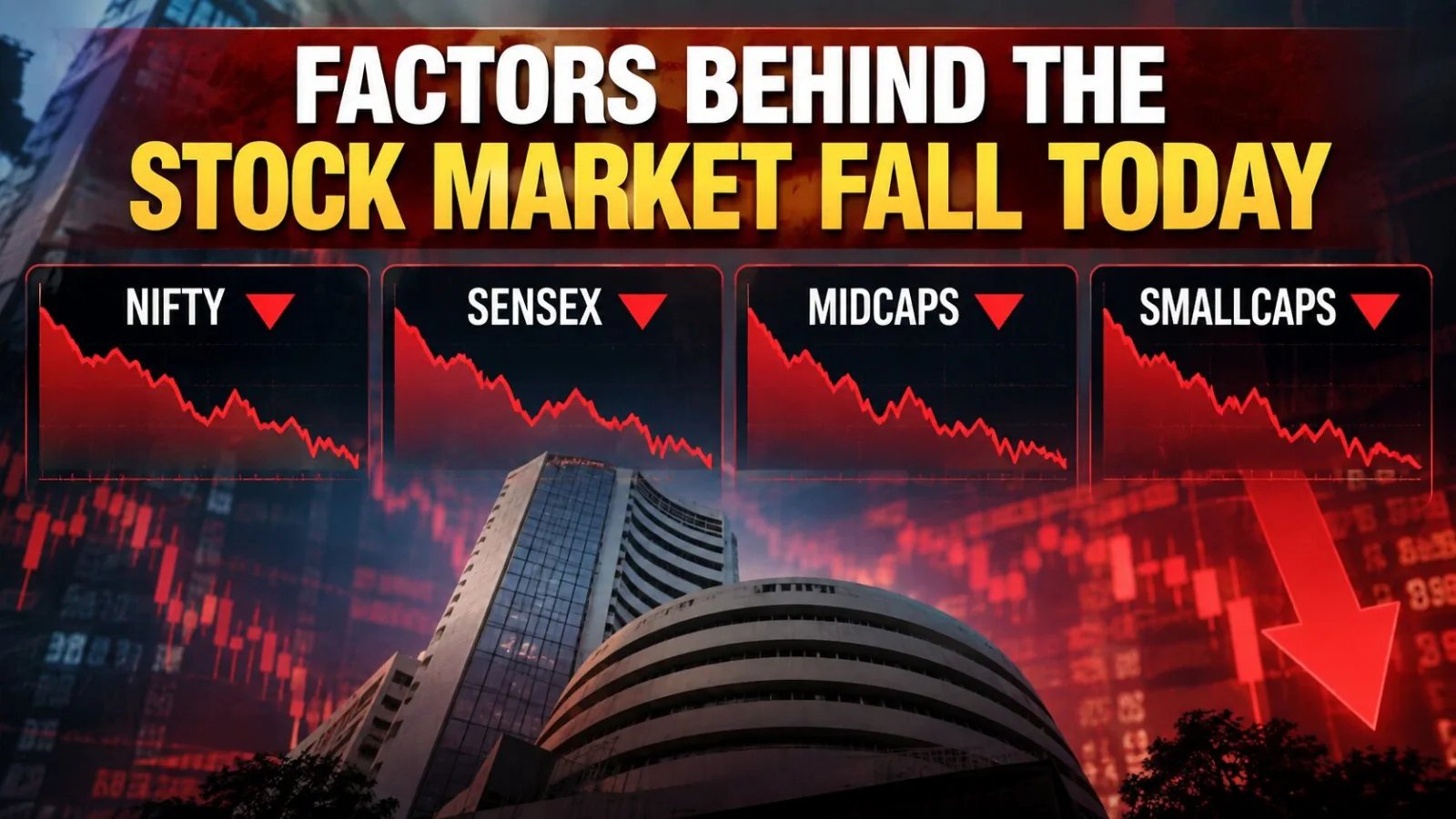
Indian equities opened the truncated week on a sour note, with the Sensex shedding nearly 1,000 points and the Nifty 50 sliding over 300. Every intraday bounce got sold into. This marks the seventh consecutive week of declines for the Nifty, which has corrected sharply from 24,500 to hover just above 22,800. The index is now sitting at the lower end of the 23,200 - 22,800 range that technical analysts had flagged as the next support zone if the 23,000 barrier failed. It did.
The pain is driven by a toxic cocktail of global macro headwinds. Oil prices remain stubbornly high because diplomatic talks between the US and Iran collapsed over the weekend. President Donald Trump rejected Iran’s latest proposal to reopen the Strait of Hormuz, keeping geopolitical risk premium embedded in energy contracts. Brent crude is trading above $107 a barrel, while West Texas Intermediate is above $95.
Higher oil feeds directly into higher bond yields, which is where the real damage is being done. The US 10-year yield has bounced back to 5.2%, but the US 30-year is trading above 5.5%—levels not seen since 2004. According to the CME FedWatch tool, Fed Fund futures are now fully pricing in at least one more rate hike by the end of the year. The probability of a 25 basis point hike in October sits at 68.1%.
Domestically, technical breakdown accelerated the selling. The Nifty managed to hold the 23,000 mark all last week, but that support crumbled immediately after the market open on Monday. Analysts had warned that a break below 23,000 would target the 22,800 - 22,700 zone, and bulls are currently scrambling to defend the 23,000 level.
Capital flows are shifting elsewhere, too. A Bank of America survey reveals that global fund managers have ended their four-year "underweight" position on China, moving to "neutral." China and Hong Kong-focused ETFs saw $19 million in inflows in August, a stark contrast to the $1.94 billion in outflows seen in July, according to Bloomberg data. The MSCI China index now trades at 10.2 times its one-year forward earnings, compared to a 10-year average of 11.7 times.
Locally, Maharashtra stocks are taking a hit after the state declared a drought, with nearly two-thirds of districts affected. That’s not the only headache. This week is packed despite its short duration. The index faces its monthly expiry on Tuesday, followed by the NSE rebalancing. The quarter ends on Wednesday, and Thursday kicks off Auto Sales figures and quarterly business updates for several major stocks.