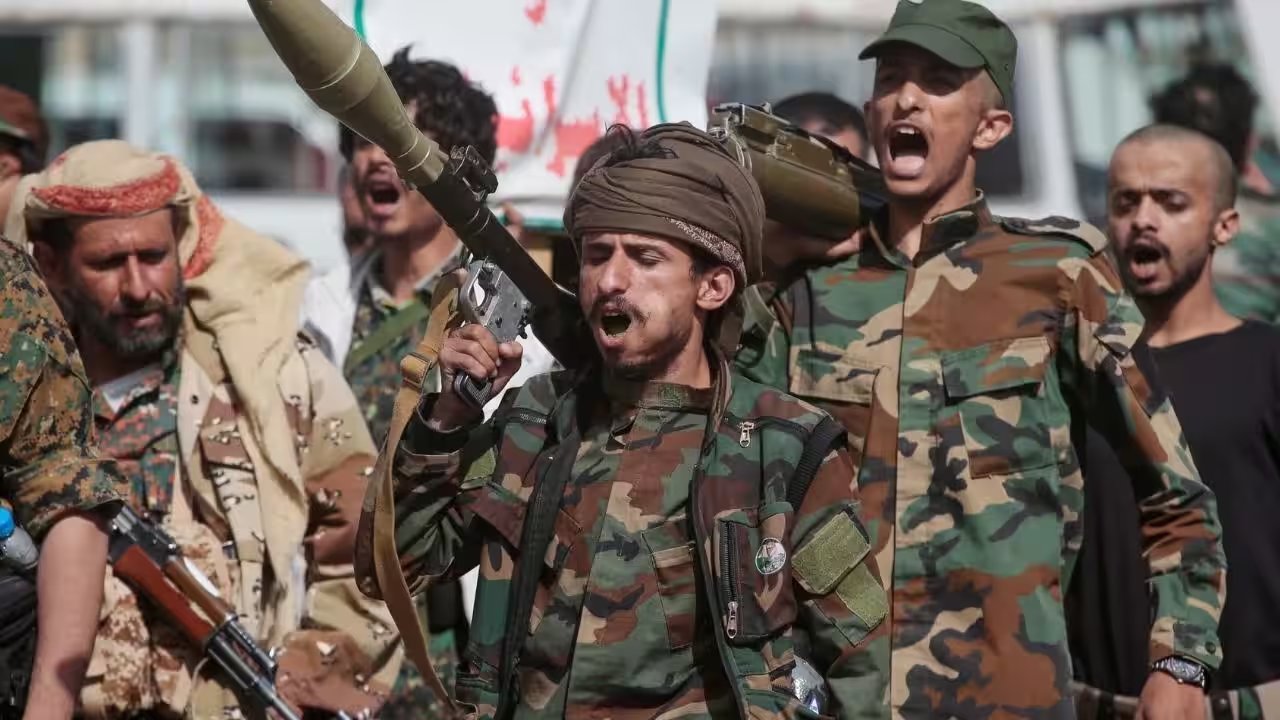
The U.S. State Department lifted Saudi Arabia’s travel advisory to Level 3 on September 15, after a Houthi drone was intercepted south of Mecca two days earlier. The move follows a series of Iranian‑backed attacks that have disrupted commercial flights and heightened security across the kingdom. The advisory now flags areas such as Mecca, Jeddah and other key cities as high‑risk zones.
Saudi air defences, under the command of Coalition spokesman Turki al‑Malki, shot down a Houthi drone that was on approach to Mecca’s restricted airspace, a move the coalition described as protecting the holy city’s ‘red line’. The incident comes amid a broader pattern of missile and drone strikes launched from Yemen since February 28, when U.S. and Iranian hostilities escalated. Experts say the attacks are part of Iran’s strategy to pressure Washington’s allies in the region.
The advisory also imposes a Level 4 ‘Do Not Travel’ warning on the Saudi‑Yemen border, citing increased terror threats from armed groups that have targeted border towns with rockets and drones. U.S. government employees are barred from traveling within a 20‑mile radius of the frontier and need special authorization to visit Qatif, Jizan, Asir and Najran. A U.S. diplomat in Jeddah said the new rules will limit his ability to meet with local officials, adding that he is “concerned about the impact on our diplomatic work.”
The State Department warned that U.S. citizens could face detainment for online posts deemed offensive, noting that two Americans had already been arrested for such activity. The advisory will remain in effect until the situation stabilizes, with officials planning a review after the next wave of Houthi attacks.