Royal FamilyPrincess DianaCharles SpencerKing Charles IIIMemoir
Charles Spencer Memoir Accuses King Charles of Mocking Diana's Legacy in 1997
Published: September 26, 2026
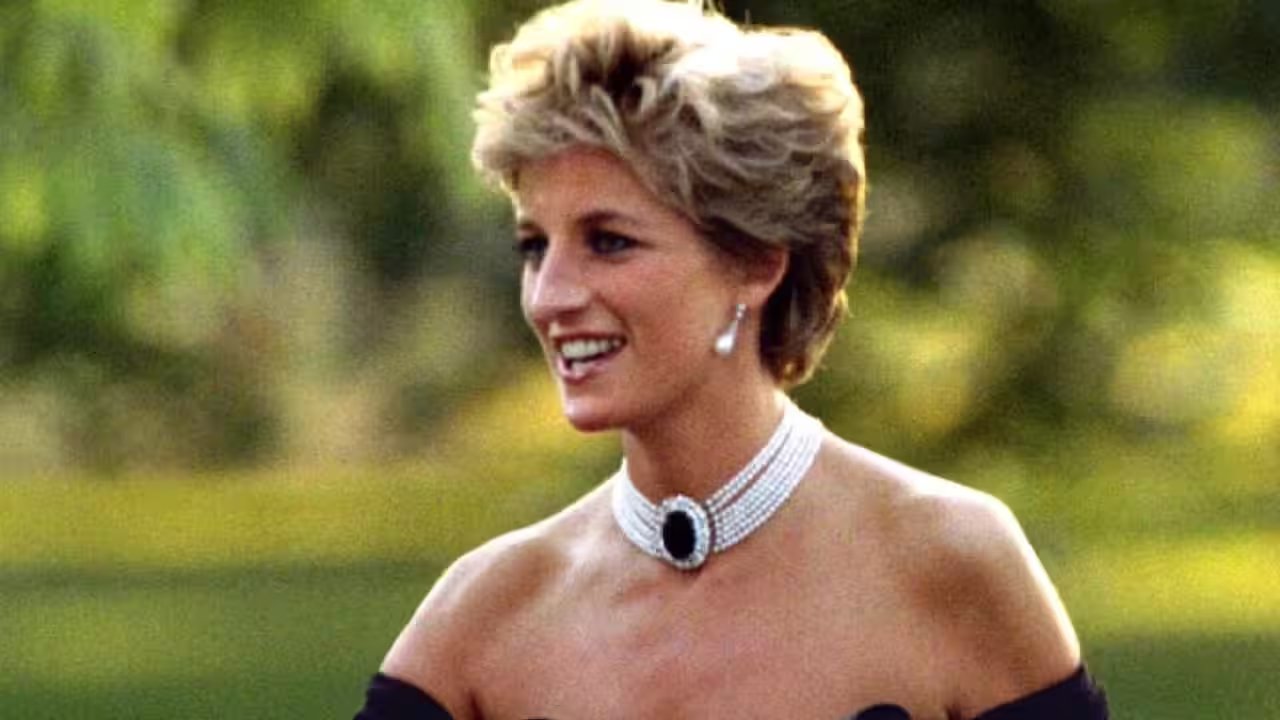
In his new memoir 'Swan Song', Charles Spencer claims Prince Charles dismissed the funeral of Princess Diana by saying, "Rest assured, we’ll forget her soon enough." Buckingham Palace has rejected the account, arguing that grief distorts memory, while critics argue the royal family continues to control Diana's narrative twenty-nine years after her death.
Charles Spencer has dropped a grenade into the royal narrative with the release of 'Swan Song: Diana, My Sister'. The book details a heated argument between the author and Prince Charles in the days following Diana's funeral on September 6, 1997. Spencer alleges that the then-Prince, now King, ended a dispute over whether their sons William and Harry should walk behind their mother’s coffin with a chilling remark: "Rest assured, we’ll forget her soon enough."
Buckingham Palace struck back quickly. A spokesperson dismissed the memoir’s central claim, stating that grief can "cloud memory and affect judgement." The Palace maintains that Charles was deeply affected by the loss. Spencer, however, has refused to retract his account, standing firm on his memory of that fateful week. The dispute isn't just about one sentence. It’s about who gets to define Diana.
Diana has been dead for twenty-nine years, yet she is more alive than ever. She is a fashion icon, a victim, a mother, and a myth. Authors like Edward White call her a cultural "cut-and-shut," a figure welded together from contradictory parts that the public prefers to the real woman. Her image was curated before she died. Designers like Catherine Walker dressed her as an "Arthurian Princess," projecting national mythology onto her body. She was never just a person. She was a canvas.
The story travels. In South Asia, she became "Raj Kumari Diana ji," a familiar daughter-in-law figure who rebelled against tradition. Young brides see themselves in her struggle. A woman from another world is reshaped to fit local expectations of family and resilience. This isn't just nostalgia. It’s a reflection of how we consume the dead. We don't remember them. We remake them.
The real fight now is over the narrative. The Palace wants a controlled, dignified memory. Spencer offers raw, painful, and unfiltered truth. The public wants a version they can own. As long as there are screens to project her onto, Diana will never be fully gone. She will keep changing, hollowed out and stuffed again, until the woman herself disappears completely behind the myth.