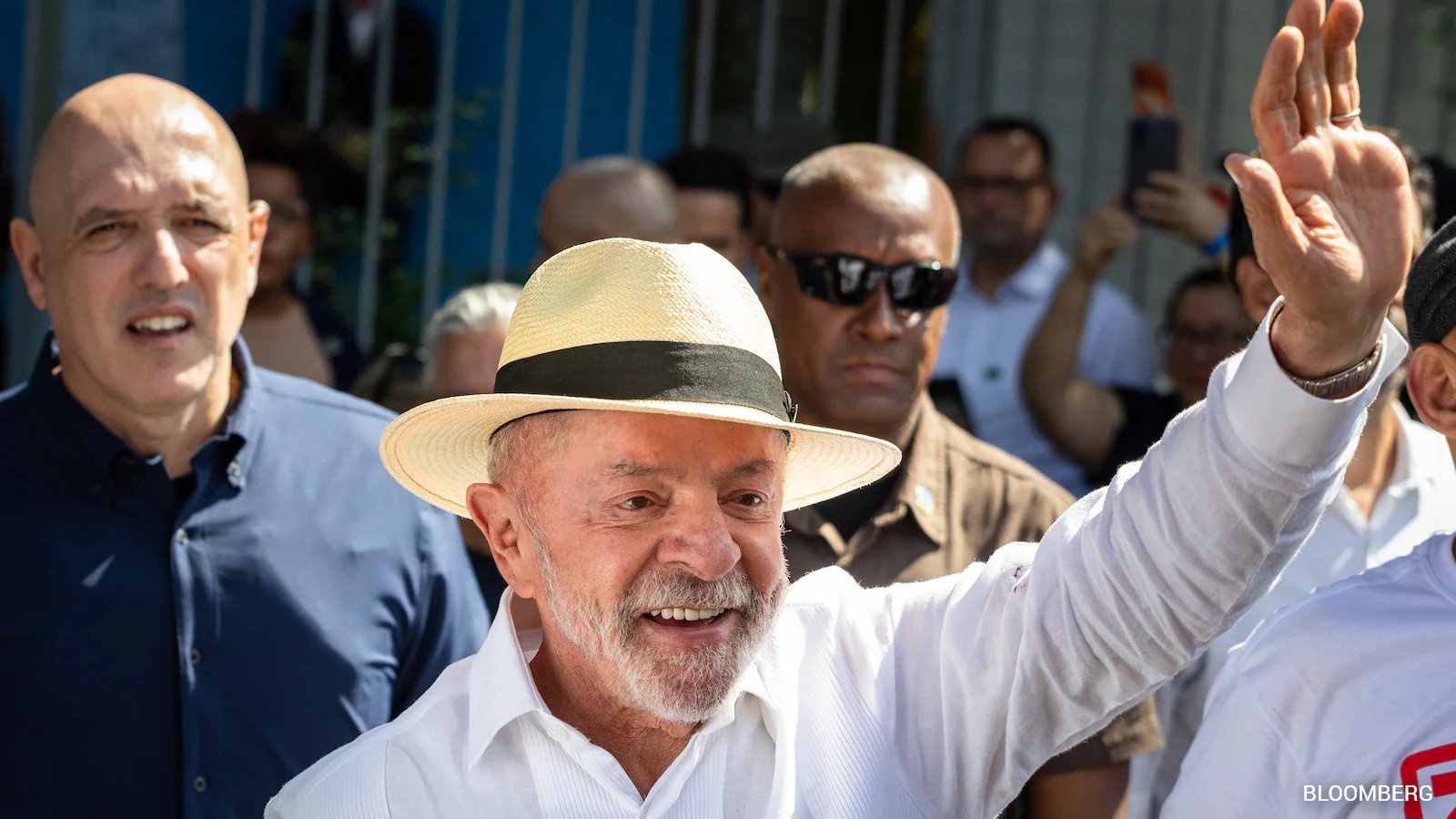
Lula da Silva clinched Brazil’s presidency on Oct 25, 2026, polling 51.8% against Flavio Bolsonaro’s 48.2% in the runoff—an outcome that halted the right‑wing surge sweeping Latin America.
The 80‑year‑old veteran, who has governed in four separate terms since the 1990s, sidestepped a presumed end to his career after the first round left him trailing Bolsonaro. Analysts note that Lula’s victory is less a return to power than a repudiation of Bolsonaro’s brand of populism, with younger voters mobilising through social media and street protests.
Financial markets reacted instantly, with the Bovespa index dropping 4.5% in pre‑market trading. Treasury bond yields spiked as investors fear higher fiscal deficits and the cost of servicing Brazil’s debt, now the highest in two decades. The National Treasury announced it will seek creditor renegotiation in the coming weeks.
In São Paulo, Lula addressed a crowd of 30,000, promising to “change the way we govern” and to build a broad coalition that crosses ideological lines. He acknowledged the challenge of reconciling his leftist platform with the demands of a politically fractured parliament.
On the ground, a single mother from Ceará—whose family had lived in a government housing unit—shared how the election’s promise of social programs might finally lift her community out of the debt trap that has plagued the northeast for years. Her story reminds voters that the stakes go beyond headlines.
The next steps will see Lula convene a cabinet reshuffle, while the opposition, led by Bolsonaro, has called for a judicial review of the vote. Market analysts predict a 30‑day window of volatility as the new administration sets out its fiscal agenda.