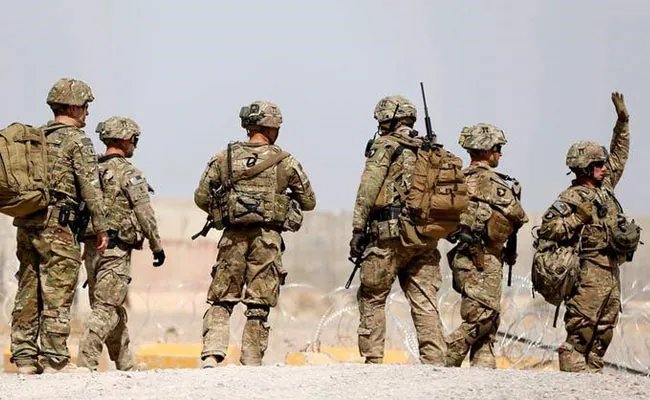
The United States pulled out of its last Iraqi bases on Wednesday, ceding a 21‑year footprint that had begun with the 2003 invasion, a 2011 withdrawal, and a 2014‑2017 campaign to defeat ISIS.
According to Baghdad‑based political analyst Ahmed Younis, Iran’s leadership hailed the exit as a triumph for its “axis of resistance,” warning that Iranian proxies could now expand their influence in Iraq’s political and security spheres.
Iraqi security experts, such as analyst Jassim al‑Bahadli and retired General Mohammed al‑Jubouri, warn that the withdrawal leaves a vacuum that could allow ISIS cells to regroup, especially as U.S. intelligence and aerial surveillance support has vanished.
The absence of U.S. drones and real‑time surveillance leaves Iraqi forces vulnerable to improvised explosive devices and drone attacks, a gap the country’s nascent air‑defense network cannot yet fill.
In response, the Iraqi cabinet has urged Washington and regional partners to supply emergency air‑defense systems and has set a deadline of 30 September for a joint security assessment.