SpaceISRONavICIndiaSatellite
ISRO Launches NVS-03 GPS Satellite on GSLV-F18, Bolstering NavIC
Published: October 30, 2026
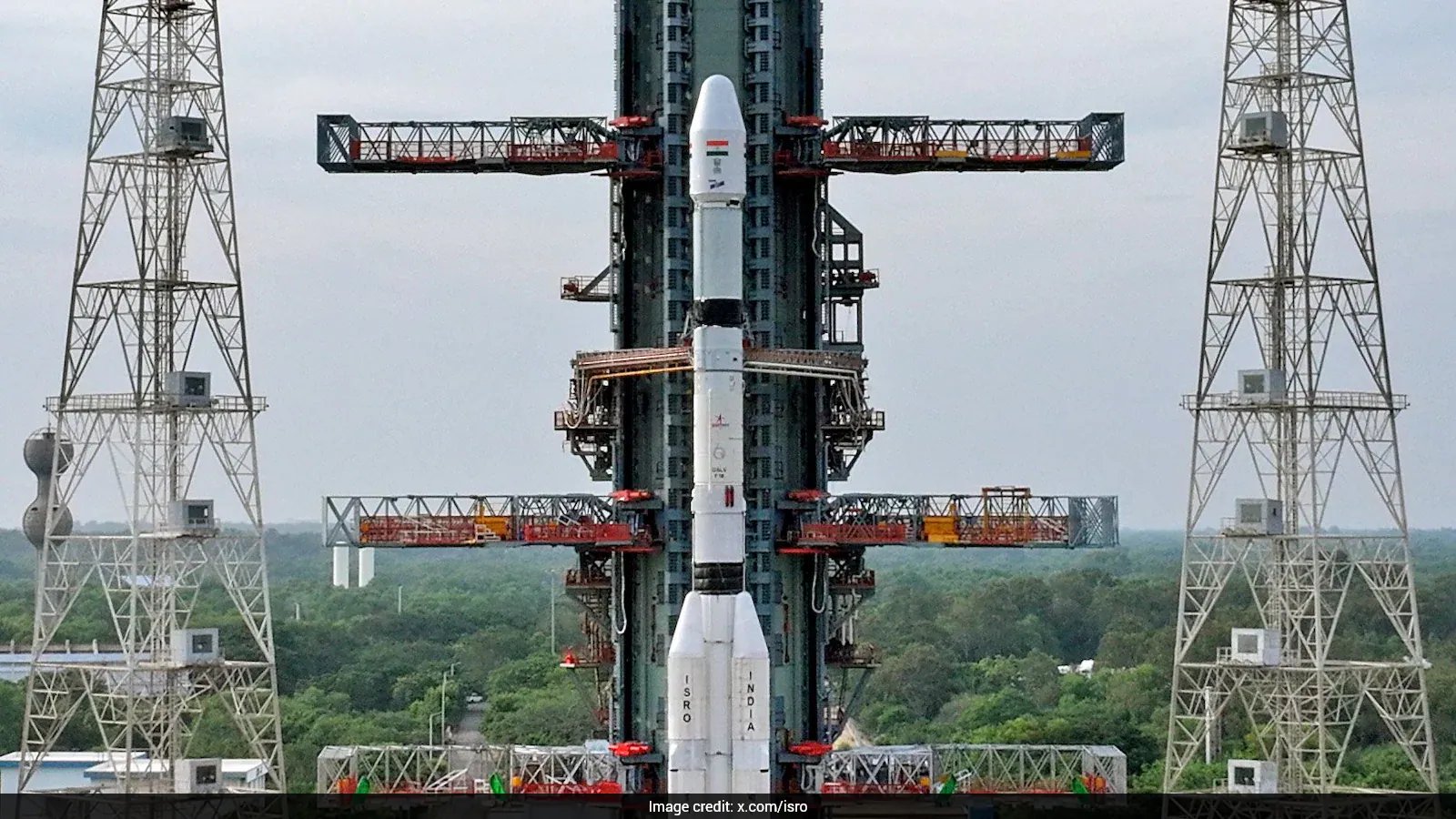
ISRO launched the NVS-03 navigation satellite from the Satish Dhawan Space Centre’s second pad at 23:51 IST on 30 October 2026. The launch will place the satellite into Geosynchronous Transfer Orbit, strengthening India’s autonomous NavIC constellation and restoring critical navigation services.
The GSLV‑F18 rocket lifted off at 23:51 IST from the Satish Dhawan Space Centre’s second pad, sending the NVS‑03 satellite into geosynchronous transfer orbit. This marks the twelfth launch in the IRNSS series, yet only seven satellites have remained fully operational after a string of failures that have hampered India’s autonomous navigation.
NVS‑03 carries an indigenous atomic clock and upgraded propulsion, filling the gap left by earlier payload malfunctions. The satellite also features a new‑generation payload designed to improve positioning accuracy by a margin of a few metres, a crucial upgrade for both civilian and defence applications.
The launch comes on the heels of Operation Sindoor, which revealed that NavIC’s partial coverage was a strategic weakness during air‑strike missions over Pakistan‑occupied Kashmir. With 11 satellites launched and many failures attributed to atomic‑clock issues, India now needs at least seven fully functioning satellites for seamless regional coverage.
ISRO plans to integrate NVS‑03’s data into the NavIC network within weeks, after a series of ground‑based calibrations. The agency has outlined a schedule to complete the remaining constellation by the end of 2027, boosting India’s strategic autonomy in an increasingly volatile geopolitical environment.