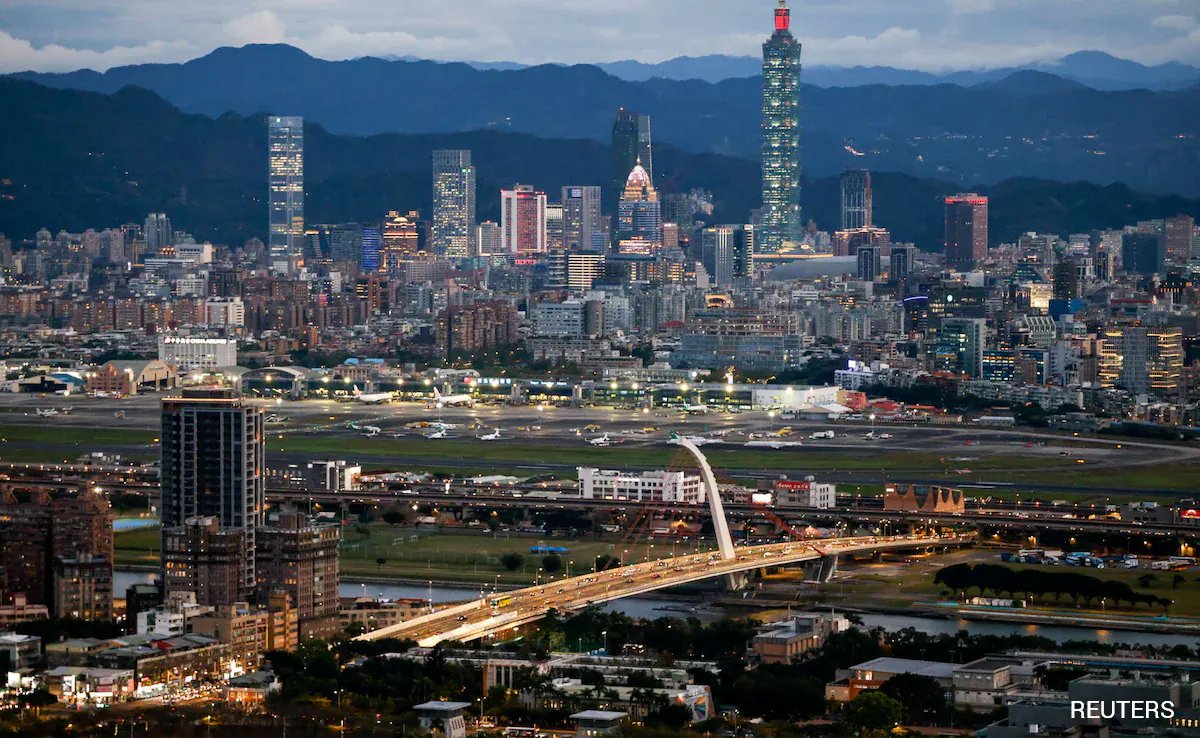
U.S. officials say a Chinese invasion of Taiwan before 2028 is unlikely, citing delays in military readiness and the 2028 election. The assessment counters a long‑standing belief that Xi’s 2027 benchmark would force rapid takeover. The report, drawn from two current officials, a former senior staffer and a third source, highlights how Beijing’s anti‑corruption campaign has stalled the procurement of new equipment and training.
Xi’s directive for the People’s Liberation Army to be ready by 2027 remains unconfirmed. Analysts note that the campaign has redirected funds and manpower, pushing back milestones that would have enabled a swift amphibious assault. The 2027 benchmark, once a symbol of urgency, now appears more a diplomatic posturing than a concrete deadline.
The 2028 Taiwanese election will be pivotal. If the Democratic Progressive Party, led by President Lai Ching‑te, secures a fourth consecutive term, Beijing may deem force a viable option. “If that happens, 2028 becomes pretty sporty,” an unnamed official said, hinting that the outcome could tilt China’s calculus.
U.S. arms sales to Taiwan have steadied the island’s defense posture. Trump’s recent pause on a $14 billion package reflects a broader strategy to keep China from acquiring advanced weapons. Yet Washington remains the island’s most significant backer, and the U.S. will continue to supply defensive systems.
As the election approaches, Taipei’s citizens in cities like Kaohsiung anxiously await the vote, fearing that a shift in power could spark a flashpoint. The U.S. will keep monitoring China’s military build‑up and evaluate the election’s impact on regional stability. A congressional hearing on March 15 will examine China’s intentions.