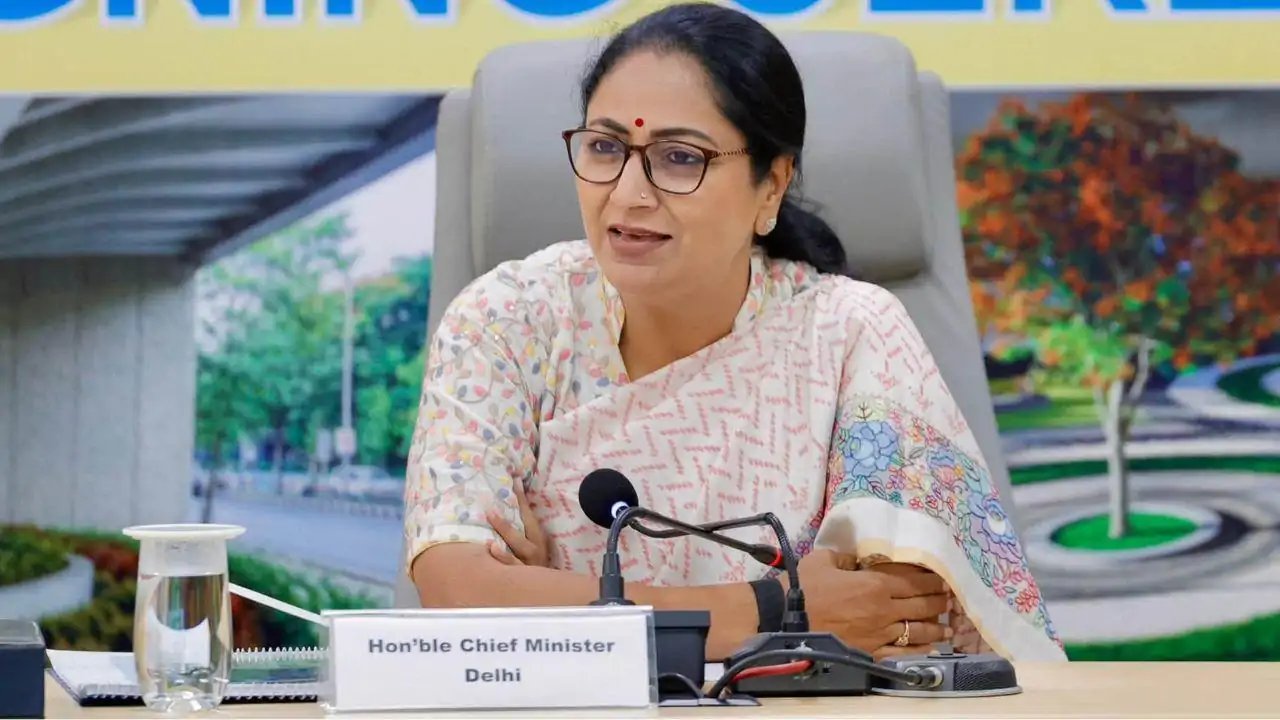
On Tuesday, Delhi’s Chief Minister Rekha Gupta convened a high‑level meeting with district officials and agency heads to scrutinise the city’s Chhath Puja preparations. She warned that any lapse in safety, cleanliness or convenience would be unacceptable, insisting that inspectors walk the ghats themselves rather than rely on paper reports. A public holiday is slated for the festival days, signalling the government’s intent to give devotees a hassle‑free experience.
Officials confirmed that the capital will host more than 1,400 Chhath ghats this year, up from 1,326 last year. The basic set‑up—ground leveling, water filling and tent erection—must be finished by Nov. 6, leaving only final touches for the coming weeks.
The festival runs Nov. 13‑16, with peak crowds on the 15th and 16th. To counter November’s chilly weather, the CM ordered covered tents at large and medium ghats, plus extra shelters behind stages and in key worship zones.
Adequate toilets and women’s changing rooms are a priority; the CM tasked departments to install and maintain them. Clean‑up crews will patrol the ghats before the evening Arghya, after night prayers, and after the morning Usha Arghya, with waste bins and continuous removal to prevent litter build‑up.
Roads leading to the ghats will be cleared of potholes, loose stones and debris. Sprinklers will run continuously to keep dust at bay, and all street lighting will be upgraded so no dark patches remain. CCTV cameras and fire tenders will be positioned at major ghats, while traffic police will coordinate parking and diversions.
Sanjay, a 45‑year‑old farmer from East Delhi, said he’s relieved to see the city’s preparations: “I’ll bring my family and we’ll have a safe, clean place to perform our rites.” Meanwhile, a sanitation worker, Meera, noted that the extra teams and dustbins will ease her daily load during the festival rush.