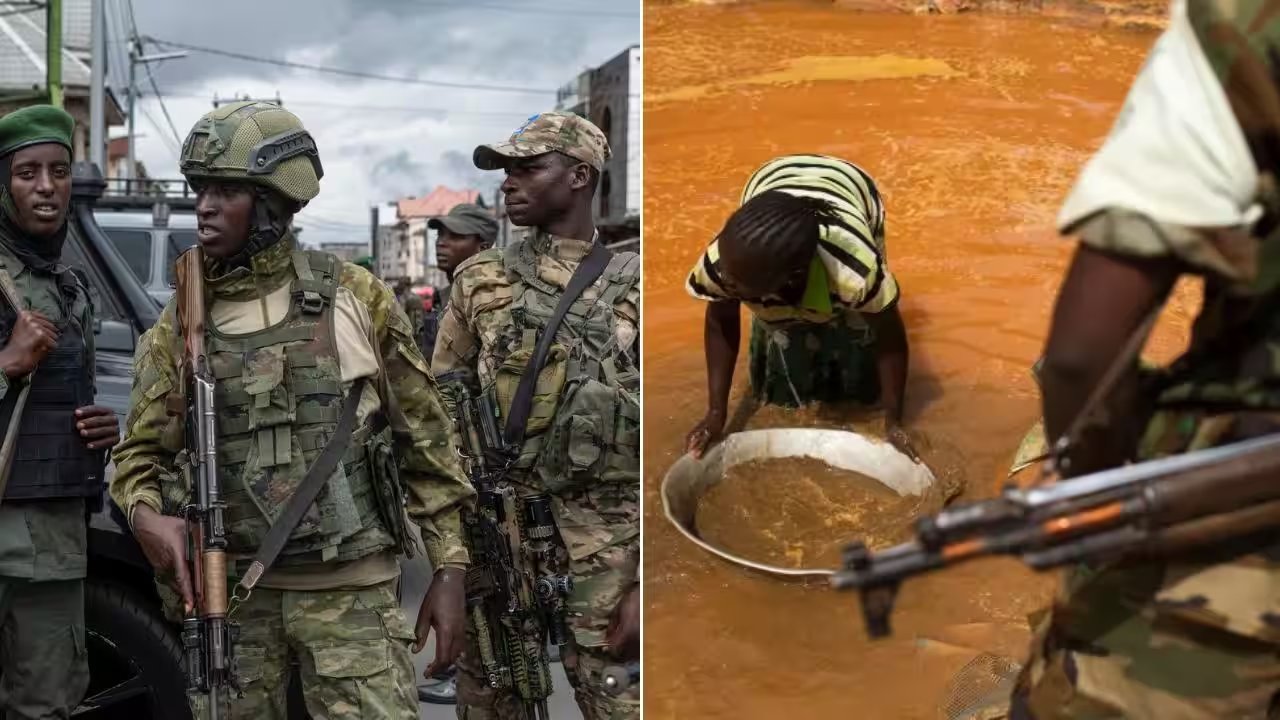
Mwala, a remote mining outpost in southeastern DRC, now hosts about 100 armed militiamen who brand themselves the “wazalendo” or patriots. They patrol a small artisanal gold mine owned by a Chinese firm, demanding a toll from any trader or traveler who passes through their blockades. The fighters wield rifles and machine guns that once belonged to retreating Congolese army soldiers.
The shift began after M23 forces stormed Uvira in December, forcing the national army to pull back and leaving behind a cache of weapons, uniforms, and ammunition. Militiamen from South Kivu seized the abandoned gear and moved into Tanganyika province, turning Mwala into a staging ground for both defense and extortion. Local officials warn that the spread of arms could fan an already volatile region into a larger crisis.
Claude, the militia’s self‑appointed leader, says his men earn $100 to $150 a month for guarding the mine, but also extort villagers for cash and supplies. Residents report that the militiamen pressure them into paying tolls and confiscate goods. “We buy our weapons and ammunition ourselves,” Claude admits, adding that the army’s support is absent.
The situation has drawn the eye of the national disarmament program, where Tresor Ngabo cautions that the influx of weapons undermines years of peacebuilding in Tanganyika. He warns that if new clashes erupt, the region could spiral into chaos, stressing the need for immediate disarmament. Meanwhile, Chinese companies continue to operate mines, further complicating the security calculus.