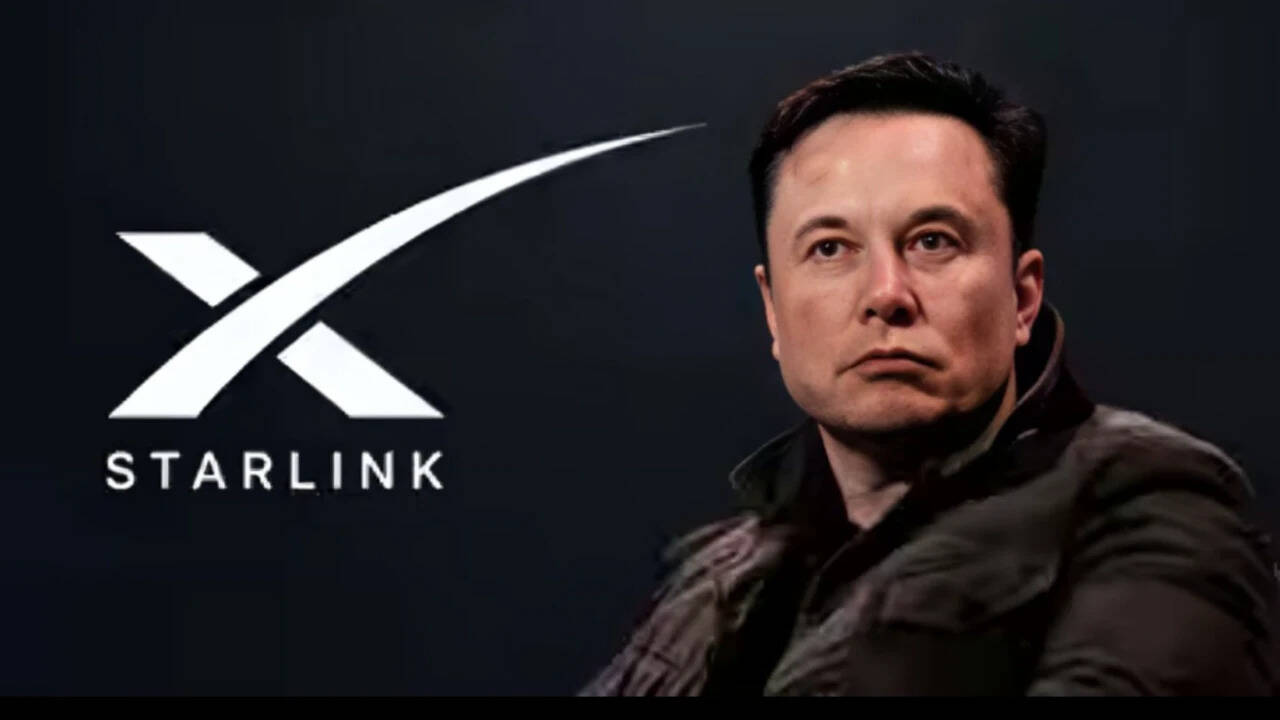
Elon Musk accused unnamed Indian "oligarchs" of blocking Starlink's entry into the country to protect their monopolistic grip, declaring the move a "crime against the people of India." The trillionaire made the comments on X late Wednesday night, responding to a post highlighting the lack of broadband in remote villages. He argued that Starlink could provide affordable, high-speed internet to users currently priced out of the market or lacking connectivity entirely.
The accusations land as Starlink positions itself aggressively in the Indian market. Lauren Dreyer, VP of Starlink business operations, stated at the India Mobile Congress (IMC) that the company has already constructed 20 gateway sites in India. Dreyer emphasized that India-specific security controls are in place to keep user data within the country, a key regulatory requirement. "We stand ready to serve India, as soon as India is ready," she said, signaling that operational hurdles are solved and only political or regulatory impasses remain.
The regulatory landscape is shifting. The disbanded Digital Communications Commission recently cleared Telecom Regulatory Authority of India (TRAI) recommendations on satellite spectrum allocations. Satellite providers will receive spectrum for five years, with a spectrum usage charge (SUC) set at 5% of adjusted gross revenue. Lower SUC rates may apply for services targeting rural and remote areas with limited terrestrial infrastructure. This clearance puts pressure on the government to finalize commercial licenses for pending applicants.
Starlink is not the only player waiting in the wings. Sunil Bharti Mittal-backed Eutelsat OneWeb and Mukesh Ambani’s Reliance Jio are also awaiting clarity on spectrum allocation to launch commercial satellite broadband. Rumors persist that these domestic giants might receive green signals earlier, potentially due to stalled US-India trade talks. Dreyer noted that Starlink has established MoUs with Jio, Airtel, and others, positioning the company as a partner rather than a pure competitor. "Starlink can help reach places where the last mile is still the hardest mile," Dreyer added.
Musk’s specific target remains ambiguous, but the timing suggests a fight over India’s digital future. With Starlink’s infrastructure already on the ground, the delay is now a policy issue. The next step lies with the Indian government, which must issue final commercial approvals. Until then, the debate over who controls the last mile of connectivity will likely intensify.