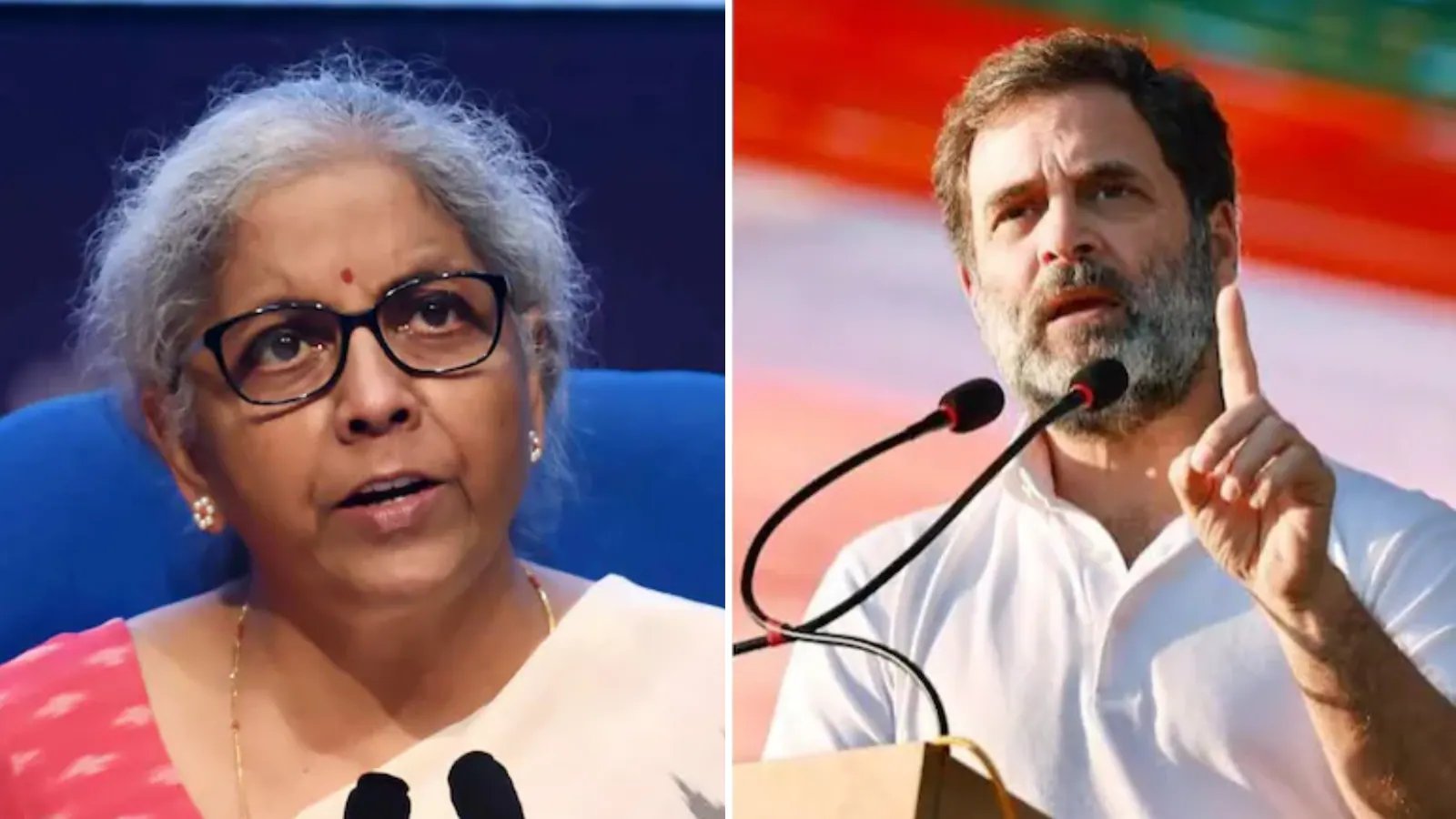
Finance Minister Nirmala Sitharaman blasted Rahul Gandhi on X on Oct. 28, 2026, after the opposition leader accused Tata of being ‘criminally destroyed’. The tweet rattled the already tense atmosphere around the Tata conglomerate.
The backdrop is a boardroom showdown that began on September 17 when Tata Trusts chairman Noel Tata challenged the re‑appointment of N. Chandrasekaran as Tata Sons’ chairman. The “five‑year” mandate, approved outside the meeting agenda, was deemed void by Noel, sparking a standoff that drew attention from the press and Parliament.
Gandhi’s remark came during a parliamentary debate where he criticised the board’s decision, framing it as a corporate erosion of Indian industry. He wrote that “Tata is being criminally destroyed, and no business leader dares say a word.” The comment was meant to rally opposition against what he portrayed as an authoritarian corporate takeover.
Sitharaman’s response was swift and sharp. She accused Gandhi of politicising every issue and of “spreading distrust and toxicity.” She said, “You have repeatedly decried the successes of Indian industry and our entrepreneurs. Now you’re trying to incite business leaders to join you in spreading distrust.” The minister also slammed the Congress for a history of stifling Indian enterprise.
The Finance Minister’s tweet echoed her earlier defence of the Modi‑era policies that favour industrial growth. She pointed to a “licence‑quota raj” that she said hurt crores of Indians, contrasting it with the current government’s support for investment and job creation. “Our courts must uphold justice,” she added, calling Gandhi’s tone “unacceptable.”
For a Tata employee in a small plant near Pune, the dispute feels far‑flung yet consequential. “We see the board’s decisions reflected in our wages and job security,” said Ramesh, a 15‑year‑old worker. His family relies on the plant’s stability.
With the next Tata Sons board meeting slated for November 5, the minister’s scolding raises the stakes. If Gandhi’s accusations lead to a formal legal challenge, it could delay the company’s expansion plans and widen the rift between the ruling coalition and the opposition.
The clash is now a flashpoint for corporate governance in India, as both parties brace for the upcoming board session and the potential fallout that could ripple across the country’s industrial landscape.