Thomas Gilcrease, a Creek Nation member, secured a 160‑acre land allotment in the Oklahoma Territory in 1899. The parcel, now part of the Glenn Pool oilfield, yielded 32 producing wells by 1917.
Born in 1890 in Robeline, Louisiana, Gilcrease was the eldest of six children. His parents relocated to the Creek Nation shortly after his birth, settling in Wealaka, where he was enrolled on the tribal rolls at nine—a prerequisite for allotment under the Dawes Commission.
Six years after the allotment, the Glenn Pool oilfield was discovered in 1905. By 1917, the property hosted 32 wells, generating enough revenue to fund Gilcrease’s studies at Bacone College and Kansas State Teacher's College in Emporia.
In 1922 he founded the Gilcrease Oil Company, expanding operations across Oklahoma, Texas and Kansas. He discovered the Gilcrease sand near Wetumka, and later controlled major banks such as the Fourth National Bank of Tulsa and the Bank of Bixby.
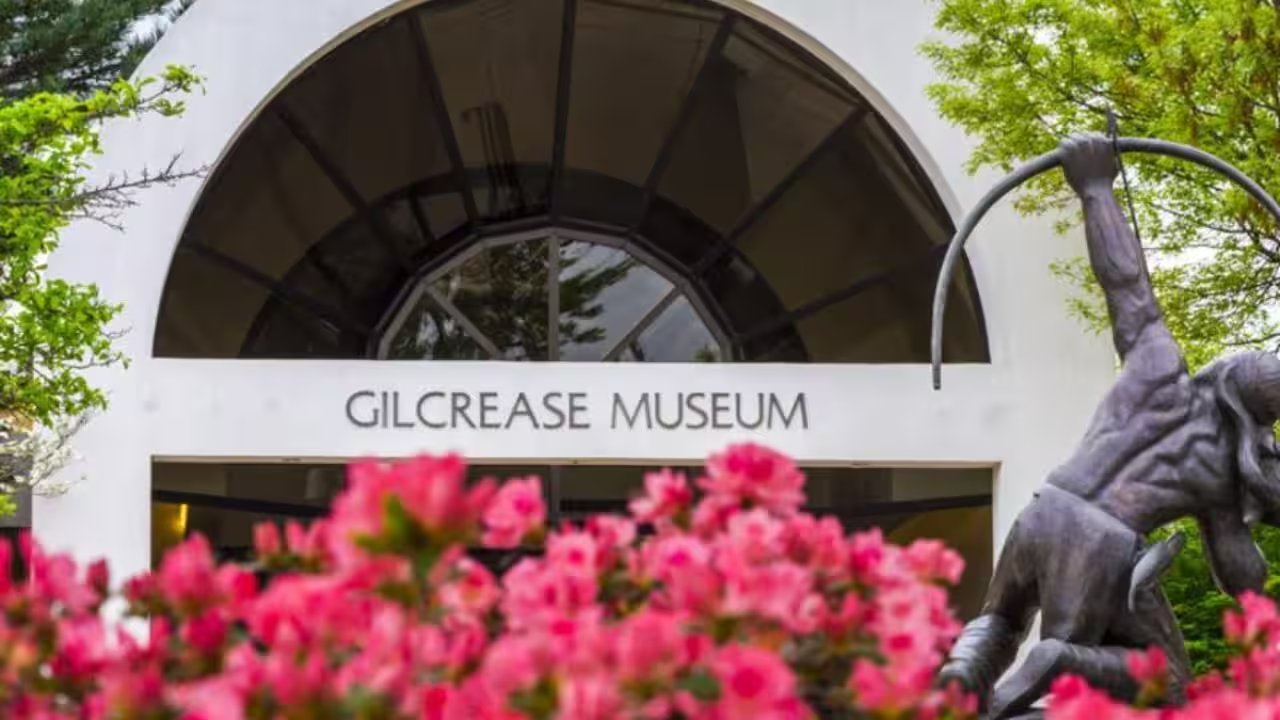
His wealth enabled an avid collecting career. He purchased his first painting in 1912, then in 1944 acquired Dr. Philip G. Cole’s 636‑piece Western collection, and in 1948 secured Thomas Moran’s estate of roughly 2,000 works. The 1949 Tulsa museum opened beside his home, anchoring his legacy.
Gilcrease’s story echoes in a young family who now tours the museum, remembering how a 9‑year‑old’s allotment grew into a cultural treasure. The Gilcrease Museum continues to welcome visitors and plans to expand its holdings with new acquisitions.