NIAFlyDubaiHijackingIndiaTerrorism
NIA Files Hijacking Probe After FlyDubai Attack on Indian Captain, 30 September
Published: October 10, 2026
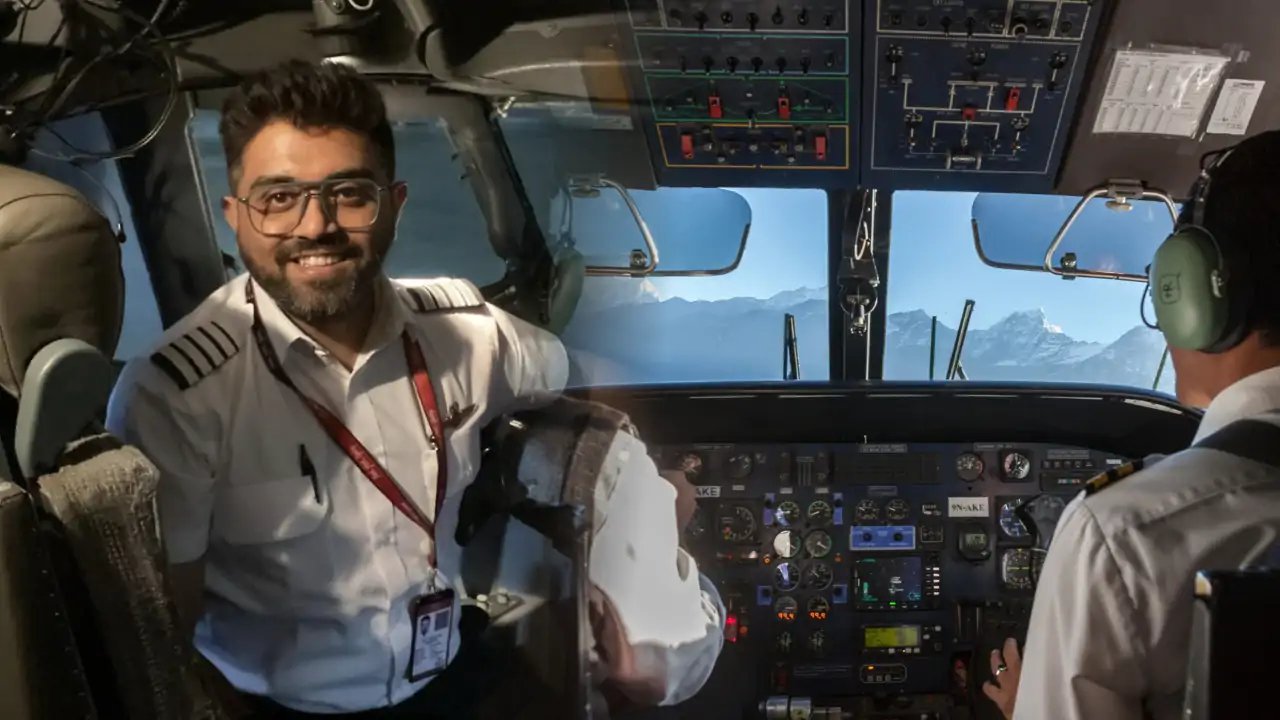
The National Investigation Agency filed a hijacking probe after an Omani first officer attacked Indian captain Smit Machchhar on FlyDubai flight FZ1073 near the Jordan‑Saudi border on 30 September. The probe will investigate the alleged terror link and the Omani pilot, currently in UAE custody, while the flight landed safely in Tabuk.
The National Investigation Agency said on Saturday it had registered a case under the Anti‑Hijacking Act after an Omani first officer allegedly attacked Indian captain Smit Machchhar on FlyDubai flight FZ1073. The attack unfolded at 9:21 a.m. Gulf Standard Time, just as the aircraft was descending near the Jordan‑Saudi border, prompting passengers and crew to restrain the co‑pilot.
The flight, which departed Dubai at 7:05 a.m. with 174 passengers and six crew, briefly descended sharply and turned back into Saudi airspace before stabilising. Passengers reported the first officer initiating a violent assault, but the captain’s quick response and the crew’s intervention averted a disaster.
NIA teams will travel to Dubai to record Captain Machchhar’s statement and will seek information from international counterparts. The Omani co‑pilot, Hamami, remains in UAE custody after Saudi authorities arrested him on the ground.
The central government directed the investigation under sections 3, 15(1)(a), 16, 18, and 20 of the UAPA, citing the gravity of the offence and the possibility of a wider terror network.
Prime Minister Narendra Modi praised the captain’s courage in a phone call, while Israeli Prime Minister Benjamin Netanyahu echoed the sentiment publicly. Al Bayan, the unofficial mouthpiece of Al Qaeda in the Arabian Peninsula, published an editorial that, while not claiming responsibility, appeared to endorse the failed hijacking attempt.
The next step is a formal inquiry slated to commence on July 15, with NIA officials expected to release a preliminary report by early September. The probe will focus on the alleged terror angle, conspiracy links, and the Omani pilot’s possible connections to extremist cells.
The incident has already left Captain Machchhar with deep cuts to his head and hands, a reminder that the stakes of such attacks reach far beyond the cockpit.