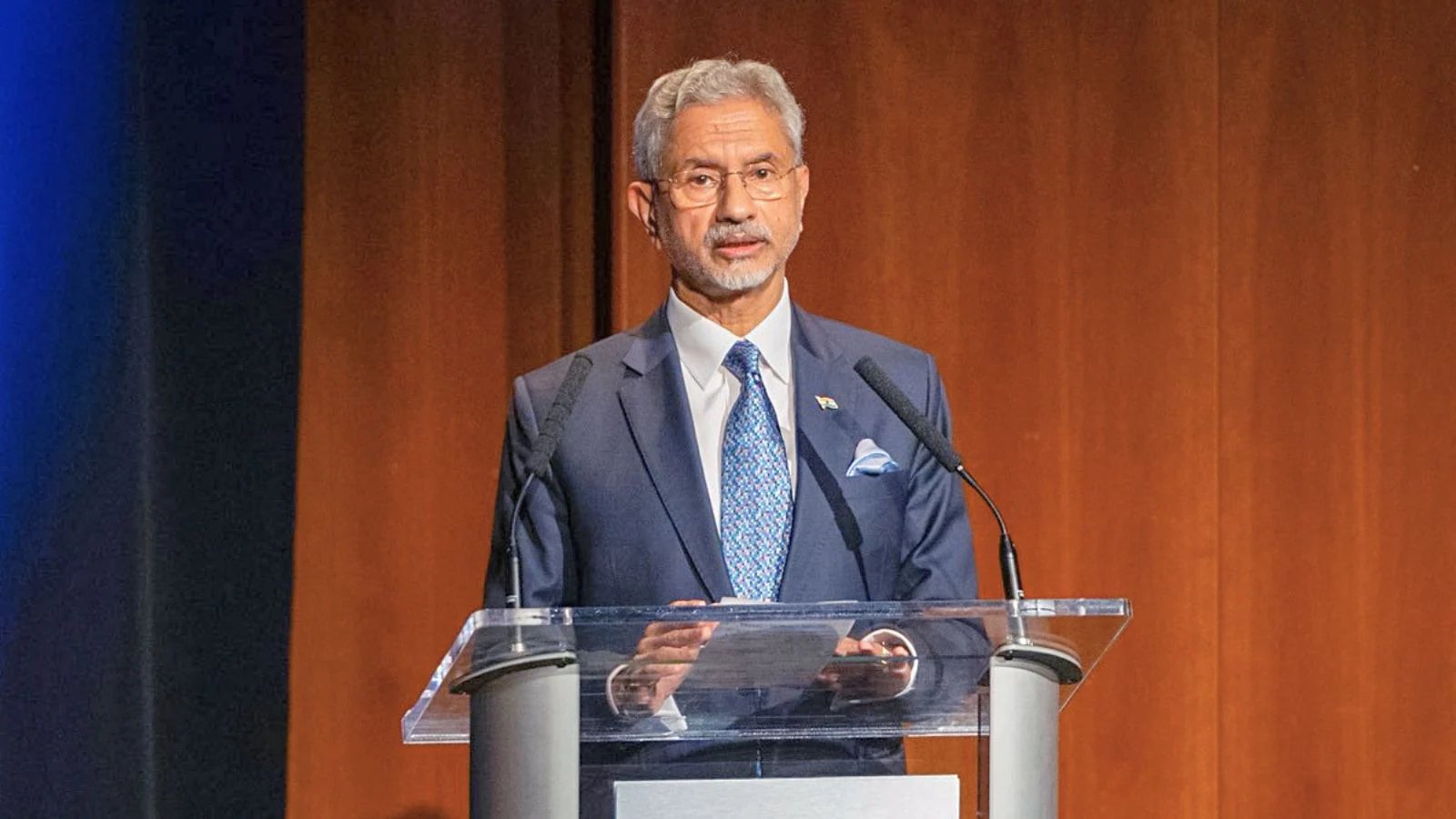
Jaishankar drew a hard line in the sand during a media interaction, stating that the United States’ ongoing diplomatic and logistical ties with Pakistan are a significant irritant in New Delhi’s bilateral calculus. He avoided naming the country explicitly, but the context was unmistakable. “We feel there are very few countries which have been subjected to the kind of terrorism that we have from a neighbour as part of a deliberate conscious policy over many, many decades,” he said. The reference was a pointed reminder that the US has historically relied on Pakistan for last-mile logistical assistance, most notably in the post-9/11 era, even when its leaders were hiding in garrison cities like Abbottabad.
The diplomat’s remarks land against the backdrop of a still-simmering regional flashpoint. Just months ago, in April 2025, Pakistan-backed terrorists killed 26 tourists in Pahalgam, Jammu and Kashmir. That attack triggered Operation Sindoor, a military strike that dismantled terrorist infrastructure deep inside Pakistani territory. Jaishankar’s comments now serve as a diplomatic reinforcement of that military reality: for New Delhi, the issue is not a policy debate but a matter of national survival, and Washington’s stance on it is a litmus test for the partnership.
He was candid about the friction this causes. “If one of my primary concerns is not fully appreciated by my partner, then clearly there is an impact of that on the relationship to some extent,” Jaishankar said. He also acknowledged that domestic political shifts within the US have influenced how its leaders engage with the international community, adding a layer of unpredictability to a relationship already stretched by trade disputes and tariff negotiations.
The diplomatic stakes are not merely rhetorical. The Financial Action Task Force (FATF) had recently warned that Pakistan’s 2022 removal from its grey list did not grant it immunity from scrutiny over money laundering and terror financing. Under UN provisions, all nations are mandated to freeze the assets of designated terrorists. Jaishankar’s warning suggests that if Washington continues to treat Pakistan as a reliable partner without addressing its role in cross-border terrorism, the “upward trajectory” he hopes for will remain more aspiration than reality. The next phase of high-level talks will be the first real test of whether this red line holds.