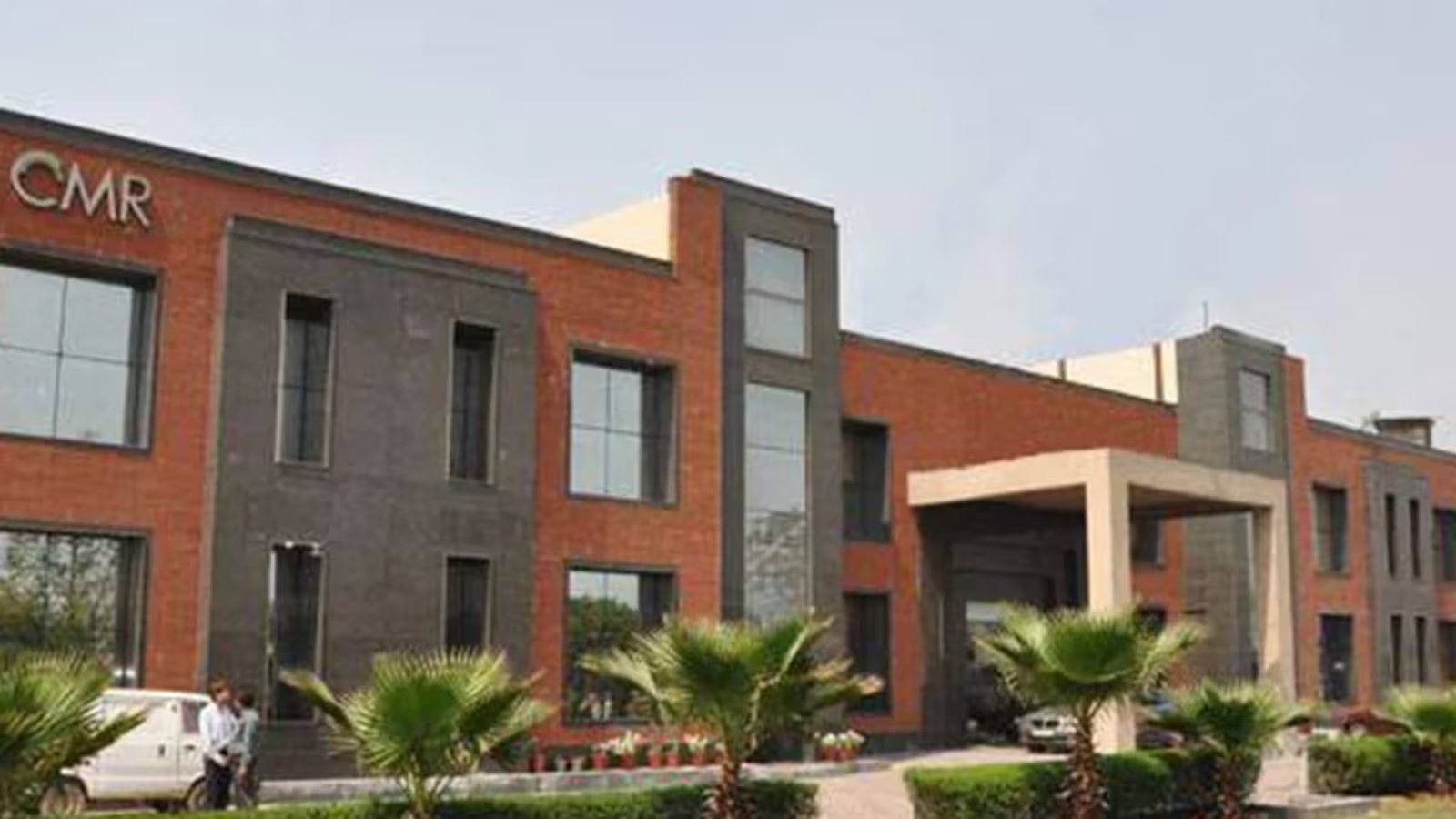
Metal recycler CMR Green Technologies delivered a 30% year-on-year jump in second-quarter net profit to ₹66 crore, powered by heavy volume intake across its domestic smelting plants.
Revenue from operations surged 59% to ₹3,472 crore during the July–September quarter, up from ₹2,181 crore in the corresponding period last year. Operating earnings before interest, taxes, depreciation, and amortisation (EBITDA) tracked the top-line climb, rising 28.4% to ₹149 crore against ₹116 crore a year ago. Yet profitability ran into friction. EBITDA margin contracted 100 basis points to 4.3% from 5.3% twelve months earlier, pinched by shifting product mixes during plant integrations.
Traders on Dalal Street shrugged off the margin pinch. Shares of CMR Green Technologies rose ₹4.61, or 2.16%, to close at ₹218.29 on the National Stock Exchange.
| Financial Metric | Q2 Current Year | Q2 Previous Year | YoY Change |
|---|---|---|---|
| Revenue from Operations | ₹3,472 crore | ₹2,181 crore | +59.0% |
| EBITDA | ₹149 crore | ₹116 crore | +28.4% |
| EBITDA Margin | 4.3% | 5.3% | -100 bps |
| Net Profit (PAT) | ₹66 crore | ₹51 crore | +30.0% |
CMR Green currently controls an installed capacity of roughly 6.05 lakh tonnes, with two large facilities undergoing phased ramp-ups. Plant utilisation hovered near 70% during the quarter. The company held a 17% share of India's broader metal recycling space in FY25, alongside a 45% grip on recycled aluminium supplied to automobile manufacturers. According to Chairman and Managing Director Mohan Agarwal, the company operates at roughly four times the capacity of its nearest domestic rival and aims to capture larger market share over the next three to four years.
But revenue concentration remains heavily tethered to auto components. Aluminium accounts for 78% of overall group revenue, and automakers absorb roughly 90% of those volumes. To counter cyclical automotive swings, the company is pushing into billets, sheeting ingots, and beverage can recycling, while supplying recycled units directly to primary metal producers chasing mandatory carbon offsets.
Balance-sheet discipline now takes centre stage. Aggressive capital spending pushed the company’s debt-to-equity ratio up to 0.76. Agarwal confirmed that leverage should taper back toward 0.5 as newly commissioned capacity hits commercial throughput and converts order backlogs into operating cash flow.