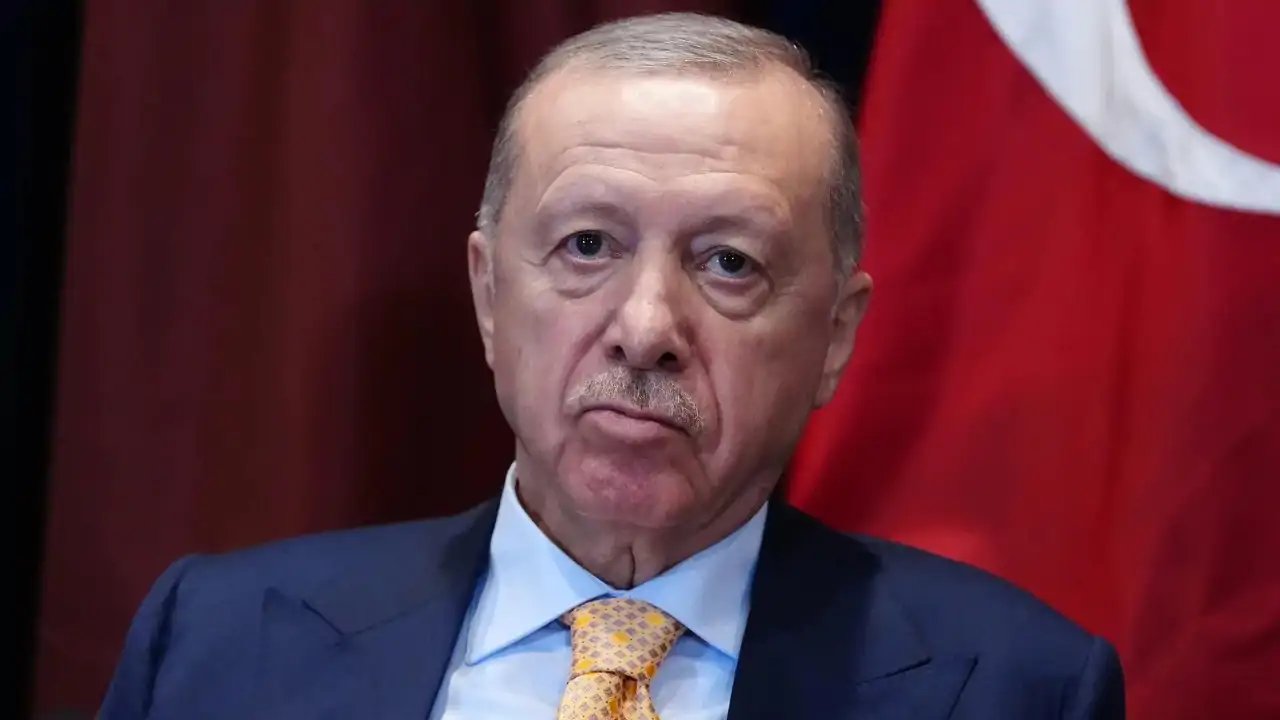
New Delhi issued a sharp rebuttal on Tuesday, dismissing President Recep Tayyip Erdogan's comments on Jammu and Kashmir made during his United Nations General Assembly address. The Ministry of External Affairs did not mince words, characterizing the remarks as unwarranted interferences in India's internal affairs. The diplomatic friction centers on Erdogan's assertion that the Kashmir dispute should be resolved through dialogue, a position New Delhi finds legally and politically invalid.
MEA spokesperson Randhir Jaiswal addressed the media to clarify India's stance, emphasizing that the status of the union territory is settled under Indian law. He invoked the legal concept of locus standi, arguing that Turkey lacks the standing to adjudicate or even comment on India's territorial integrity. This isn't just a diplomatic scolding; it's a firm boundary marker against external actors seeking to reframe the issue on the global stage.
The rejection highlights the continued tension between Ankara and New Delhi on this specific geopolitical flashpoint. While Erdogan framed his remarks as a call for peace, India views them as a violation of the non-interference principle that governs international relations. The ministry made it clear that sovereignty is non-negotiable and that no external dialogue can override constitutional decisions made within India's borders.
No immediate diplomatic counter-move from Ankara is expected in the short term, but the statement sets a rigid tone for future bilateral interactions. The ball now rests with international observers to note that India will not tolerate reinterpretations of its domestic legal framework regarding Kashmir.