US-Iran ConflictMiddle East SecurityUS Military DeploymentStrait of HormuzGeopolitical Analysis
US Mobilizes Carriers For Iran Strikes Amidst Midterm Election Calculus
Published: October 23, 2026
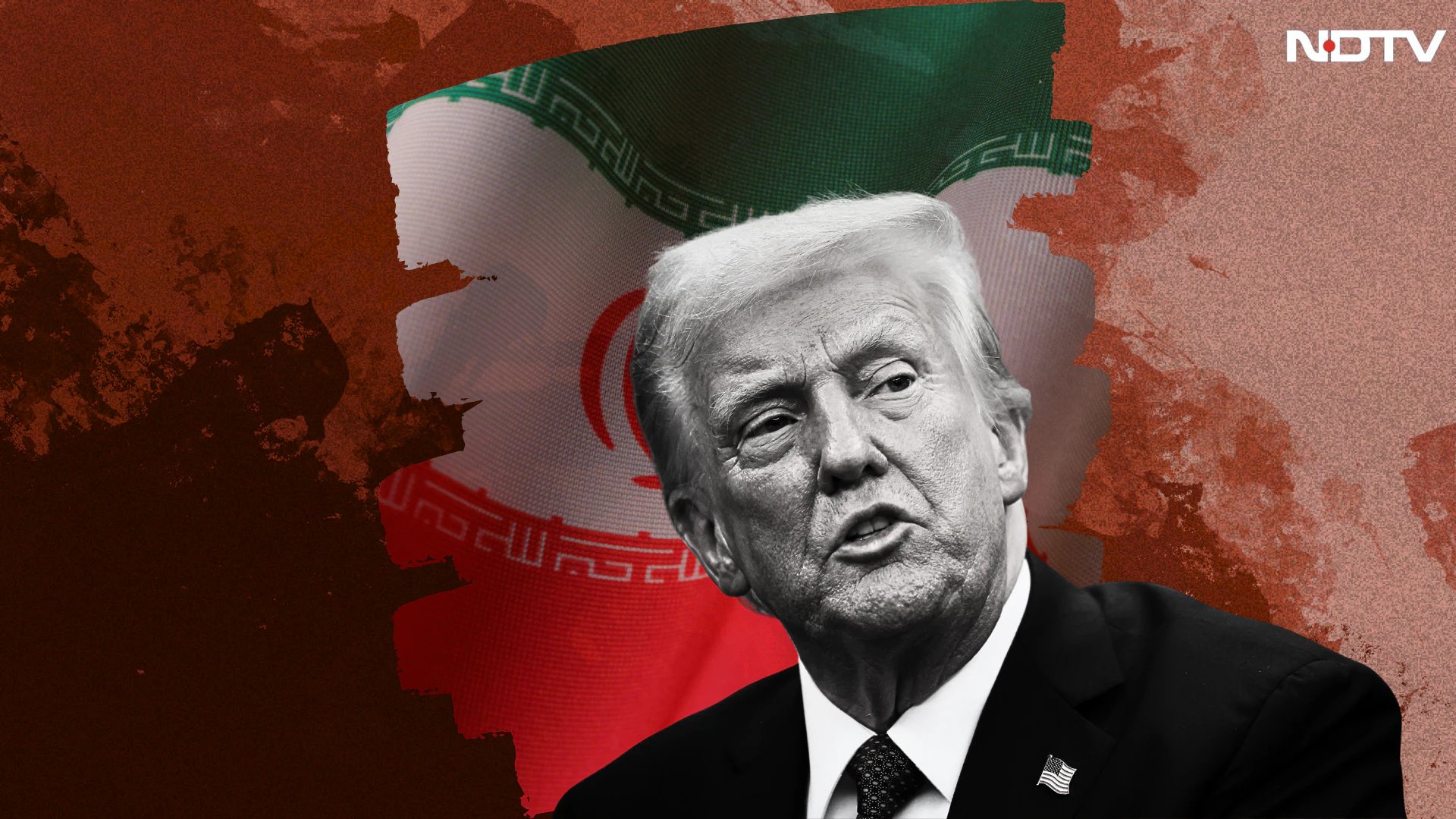
The United States is moving additional naval assets, including the USS Theodore Roosevelt, to the Middle East in preparation for renewed large-scale strikes on Iran, potentially as soon as this weekend. Analysts warn that while the timing may follow the November 3 US midterms or Tuesday's Israeli elections, military escalation is unlikely to force Tehran to negotiate.
Washington and Tehran have settled into a bloody, static pattern of striking commercial ships, with the US enforcing a blockade of Iranian ports and the Islamic Republic attempting to seize control of the Strait of Hormuz. But that stalemate may break soon. The US is positioning for a massive shift in tactics, moving from maritime harassment to direct, large-scale strikes on land-based targets, a pattern not seen since early September in the conflict that began in late February.
The timing is political, not just military. Suzanne Maloney, director of the foreign policy program at the Brookings Institution, told reporters she is banking on strikes shortly after the November 3 US midterms. President Donald Trump explicitly stated he would not strike before those elections, a decision driven by the war's unpopularity at home, where it has sharply driven up fuel prices and threatens to drag down the Republican Party's vote share. "It wouldn't seem to help him at the polls to do so," Maloney observed.
The military buildup is visible and urgent. Jason Campbell, a senior fellow at the Middle East Institute, highlighted the deployment of the USS Theodore Roosevelt, which would temporarily bring the number of carrier strike groups in the region to three, alongside a new Marine Expeditionary Unit. Israeli warplanes recently conducted a "show of force" mimicking previous attacks, and Defense Secretary Pete Hegseth met with Prime Minister Benjamin Netanyahu in Israel. US Ambassador to Turkey Tom Barrack went further, stating there could "absolutely" be a strike this weekend, ahead of Tuesday's Israeli elections.
Yet experts are skeptical that bombs will solve the problem. Campbell noted that US bases in the region have been damaged, removing safe staging grounds for any potential ground operation involving thousands or even tens of thousands of troops. Maloney added that most of Iran's conventional military sites have already been heavily degraded by previous strikes. Any new campaign, she warned, would likely target civilian infrastructure to pressure the population, a tactic that has not worked historically.
"This has been a war that can't be ended with further escalation on either side," Maloney said. Campbell agreed, noting that the Iranian regime has demonstrated a willingness to absorb significant physical pain, including damage to mixed or civilian infrastructure. Both analysts agree that the current state is unsustainable, but that a military solution is a dead end. The next 72 hours will determine if Trump chooses to "finish it off" or let the conflict "wither," as he put it, but the diplomatic path remains blocked.