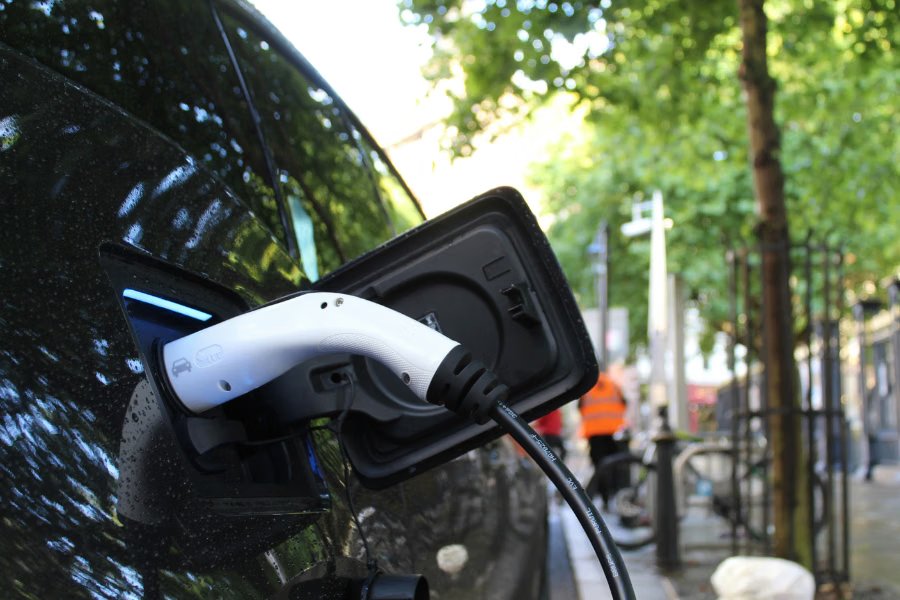
Forget the highway charging stations for a moment. The real battle for EV adoption isn't happening on the roads; it's in the concrete foundations of your apartment complex and office tower. For buyers, this means 'EV-ready' is no longer a marketing buzzword—it's becoming a legal requirement. If you're looking at a new property in Karnataka or Maharashtra, expect the developer to have already wired 20% of the parking capacity for electric charging. It’s a hard number, derived from the Model Building Bye-Laws 2016, and it changes how you should value a new home or commercial space.
The technical reality is messy. Most existing buildings weren't built to handle the load of dozens of cars charging simultaneously during the evening peak. Developers now have to assess transformers and switchgear before selling a single unit. This means higher upfront costs, which often get baked into the per-square-foot price. For buyers, this translates to a premium for properties that come with dynamic load management systems—software that intelligently distributes power to prevent tripping breakers. It’s an invisible spec, but it’s the difference between a frustrating charging experience and a seamless one.
But the financial logic goes deeper than just compliance. Real estate valuations are starting to reflect EV infrastructure as a core utility, similar to high-speed internet or backup power. In commercial spaces, charging isn't just an amenity; it's a retention tool. Offices and malls that offer convenient, billed charging are seeing longer customer dwell times and higher employee satisfaction. For residential societies, the challenge is billing. You can't charge the whole society for one resident's overnight top-up. Newer developments are integrating smart meters that track individual usage, ensuring cost recovery without communal disputes.
For older properties, the story is about retrofitting. As EV ownership climbs, established housing societies are facing pressure to upgrade their electrical infrastructure. This is where the pain is most acute. Basements, podium levels, and automated parking structures make cable runs expensive and fire-safety compliance complex. Yet, the trend is clear: developers who treat charging as an afterthought are already seeing their projects struggle to attract modern, tech-savvy buyers. The infrastructure is becoming a primary driver of asset appreciation, forcing a fundamental redesign of how Indian cities plan their electrical grids and parking layouts.
The endgame isn't a network of isolated charging stations, but a distributed grid embedded in the built environment. By 2026, expect this mandate to spread beyond the initial adopter states, pushing the entire real estate sector to standardize EV readiness. For buyers, the advice is simple: check the electrical capacity of the parking area before you sign. If the developer hasn't planned for it, you're likely looking at a costly retrofit down the line.