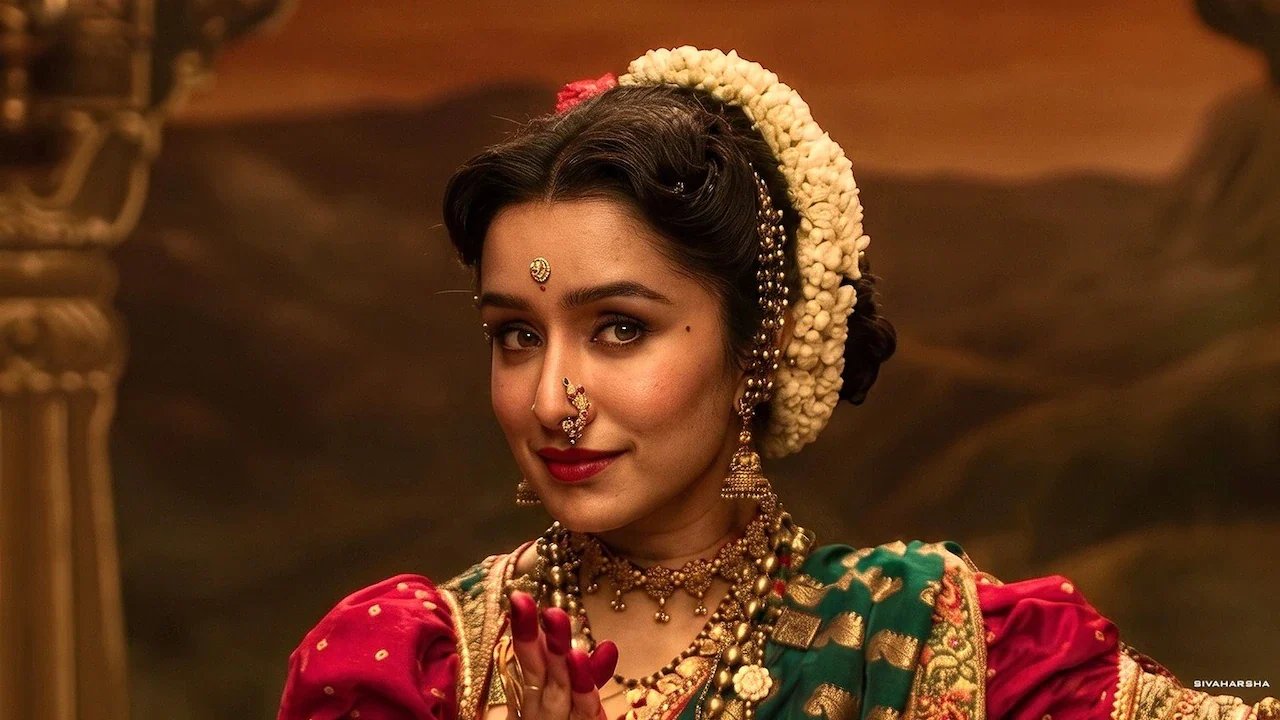
Behind the glitter of the Mumbai Plaza Cinema launch, the real drama unfolded in the studio. Shraddha, who’s been rehearsing with a group of seasoned Lavani artistes, admits she tore a muscle during a high‑energy dance sequence that left the crew in a frantic scramble.
The director, Laxman Utekar, recounted how the team had to pause the shoot for a day, citing the actor’s pain and the crew’s camaraderie. “She was in tears, but the sets stayed intact,” Utekar said, laughing through his own shock. The film’s production house, Maddock Films, quickly arranged a physiotherapy session that got Shraddha back on the floor by the next shoot.
Authenticity was a non‑negotiable in this project. A week‑long workshop with veteran Lavani dancer Shakuntala Nagarkar was held in Utekar’s office, where the cast learned the nuanced “aadaye” and “nazakat” of the dance form. “We didn’t just slap on a costume,” Shraddha told reporters. “We lived the rhythm, felt the heartbeat of the crowd.”
The narrative isn’t a straight biopic of Vithabai Bhau Mang Narayangaonkar; instead, it stretches across the tapestry of Tamasha performers. “It’s a story of thousands of artists, not just one woman,” Shraddha said, her eyes glinting with the same fervor that once lit the stages of Pandharpur.
The ensemble, headlined by Randeep Hooda and Mohammed Zeeshan Ayyub, is rounded out by Nana Patekar, Siddharth Jadhav, Akshara Singh and Ulka Gupta. Music by Ajay‑Atul promises to be a potent backdrop for the film’s emotional arc. With a release set for December 4, 2026, fans of folk cinema can look forward to a cinematic celebration that blends tradition with contemporary storytelling.