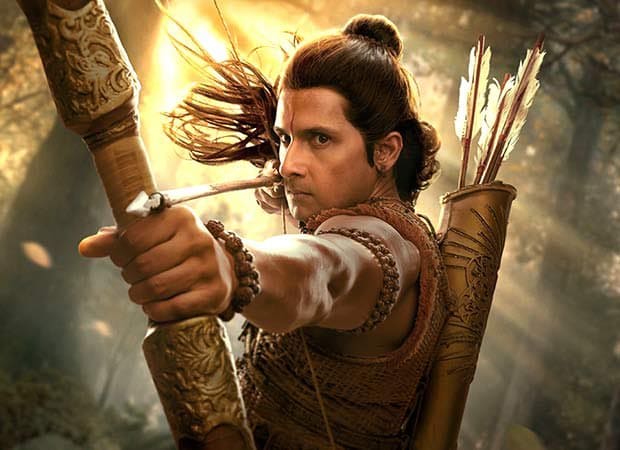
Playing second fiddle to a deity is a thankless cinematic errand. Yet as Nitesh Tiwari’s mythological juggernaut Ramayana rolled out across cinema halls on November 5, Ravi Dubey turned that exact secondary slot into the project's sharpest weapon. Cast as Lakshman alongside Ranbir Kapoor's Lord Ram, Sai Pallavi’s Sita, and Yash’s Ravana, the television stalwart carried an impossible assignment: embody fierce filial devotion without lapsing into theatrical cardboard. He pulled it off.
Audiences walking out of early screenings singled out Dubey’s screen presence, pinpointing his ability to inject comic ease and raw kinetic intensity into an otherwise solemn scripture. When the film’s narrative engine slowed under the sheer weight of its world-building, Dubey picked up the slack. His warrior prince was neither a passive shadow nor a shouting prop—he held the frame with coiled physical energy and crisp, expressive restraint.
Cinema trade circles quickly echoed the theater floor. Filmmaker Karan Johar publicly commended Dubey’s turn, calling the actor brilliant for nailing the delicate balance of affectionate loyalty and princely resolve. Meanwhile, rapper Badshah pinned credit squarely on veteran casting director Mukesh Chhabra, branding the decision to pull Dubey out of the television bracket and plant him squarely into Indian cinema's most scrutinised mythological frontline a genuine masterstroke.
The most telling endorsement, however, came from the man who defined the character for an entire generation. Sunil Lahri—whose Lakshman in Ramanand Sagar’s iconic 1987 television serial remains the cultural benchmark across Hindi heartland households—weighed in directly. Lahri noted that Dubey struck the precise mix of youthful innocence and fiery temperament required for the warrior brother, extending his public backing to the new interpretation.
Translating small-screen equity into big-budget, high-stakes cinematic clout often trips up seasoned performers. Dubey avoided that trap entirely. Rather than overplaying to the back rows with melodramatic flourishes, he grounded Lakshman in unyielding, human affection—cementing his transition to Hindi cinema's upper tier.