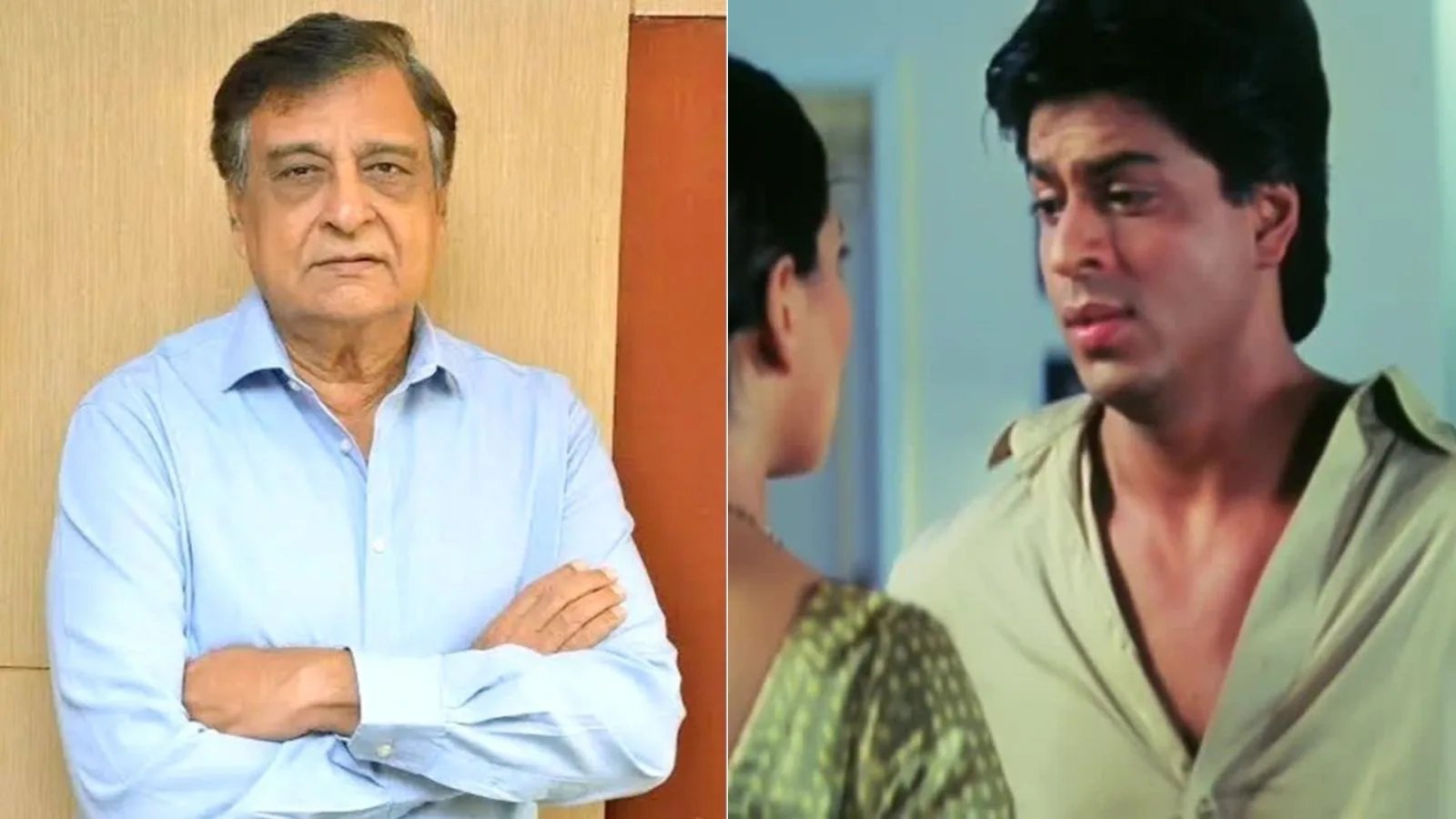
Shah Rukh Khan walked away from nearly a crore in unpaid wages. He never asked for it back.
Veteran filmmaker KC Bokadia signed Khan for ₹2 crore to lead his multi-starrer romantic drama Hum Tumhare Hain Sanam. Production budgets tightened as schedules dragged. Bokadia cleared ₹1.05 crore across production milestones, leaving an outstanding balance of ₹95 lakh on the ledger. Khan stepped in before the producer could scramble for liquidity. Khan told Bokadia’s son directly that he was relinquishing the entire remaining sum out of professional goodwill, making clear the decision was solely his own.
Years later, the two crossed paths at Mumbai’s Empire Studio. Bokadia brought up the uncashed debt. Khan shut down the conversation on the spot, dismissing the balance with an easy wave: there was simply no need to bring up the money. The producer had weathered financial strain, and Khan let the ledger close permanently.
Yet Khan was hardly an outlier among his generation of marquee headliners. Bokadia noted that industry titans—Amitabh Bachchan, Salman Khan, and Rajinikanth—never billed production offices for their personal entourages or handlers. They absorbed those overheads privately. They ate crew meals on studio floors. They worked without demanding insulated enclaves.
Bokadia recalled booking Jackie Shroff into a modest double room rather than a luxury suite during an outdoor schedule in Chennai. When Bokadia apologized for the budget constraint, Shroff brushed off the concern. A functioning bathroom and a clean mattress were plenty, Shroff told him, because an actor only returns to four walls to sleep after wrapping on set.
Now, personal entourages dictate production line-items before a single camera rolls. Vanity vans, personal security details, stylists, nutritionists, and private chefs routinely inflate mid-budget film balance sheets past the point of recovery.
"Now, we come and say, have mercy on the producer," Bokadia cautioned, warning that bloated personal overheads risk suffocating independent financing entirely. "If the producer is alive, then we will also be alive." As box-office margins compress across the theatrical circuit, Bokadia’s recollection serves as an unvarnished audit of an era when leading men protected the budget rather than draining it.