ChinaUSAdiplomacyDonald TrumpXi Jinping
Trump Arrives in Beijing for High-Stakes Talks with Xi Amid Shifting U.S.-China Dynamics
Published: May 11, 2026
Loading article...
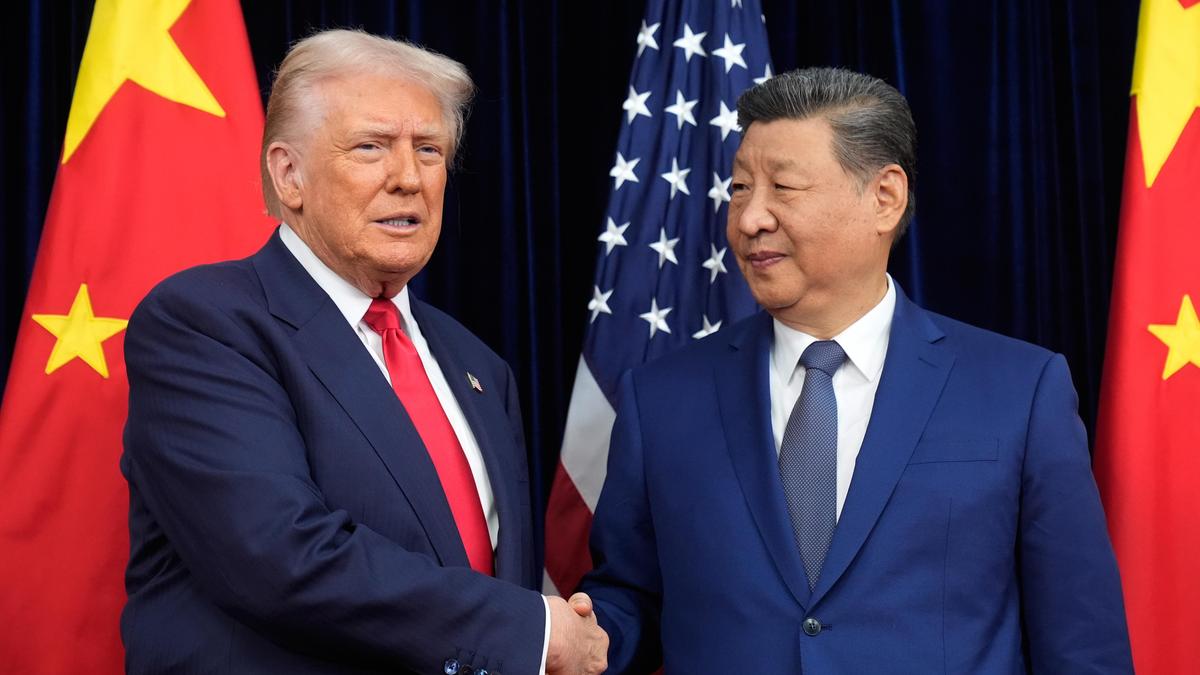
U.S. President Donald Trump arrived in Beijing on Wednesday for a three-day visit centered on high-level talks with President Xi Jinping scheduled for May 14 and 15, 2026, as both nations navigate strained relations over trade, Taiwan, and technological competition. The trip, initially expected to showcase U.S. strength, unfolds as Chinese officials and analysts question the durability of American global influence, particularly following setbacks in Iran and Venezuela.
Trump's agenda includes securing Chinese commitments to increase imports of U.S. agricultural goods and grant greater access to critical minerals, while pressing Beijing to leverage its ties with Iran, U.S. officials said. Xi is expected to demand a reaffirmation of U.S. adherence to longstanding Taiwan policy and the relaxation of export controls on advanced semiconductors, with both leaders also set to discuss potential cooperation on artificial intelligence.
Ahead of the summit, Secretary of State Marco Rubio stated that Taiwan would be discussed, emphasizing that neither side benefits from destabilizing actions in the Indo-Pacific. Chinese Foreign Minister Wang Yi echoed this sentiment in a late-April call, calling leader-level meetings a 'stabilising anchor' and stressing that the Taiwan issue remains central to China's core interests and the stability of bilateral ties.
Days before Trump's arrival, Wang hosted Iran's Foreign Minister Seyed Abbas Araghchi, reaffirming China's support for Iranian sovereignty and regional stability, but notably refrained from criticizing U.S. actions—an indication of Beijing's focus on ensuring the summit proceeds without public friction. Analysts in Beijing view the visit as reinforcing China's global standing, particularly as perceptions grow that U.S. unilateral influence is waning.
The Tsinghua University Centre for Strategic and International Studies released a briefing ahead of the talks, forecasting 'intensified structural competition alongside constrained pragmatism' in the relationship, with long-term U.S. technological competition inevitable but full decoupling unlikely due to economic pressures. The paper urged China to deepen ties with other powers and maintain focus on technological self-reliance, advocating for strategic patience as the bilateral relationship evolves.