Subodh Uniyal’s refusal to say a single sorry has become the talk of the town, not because he’s handing out new drama but because he’s stepping into a hot‑pot that mixes politics, music and public opinion.
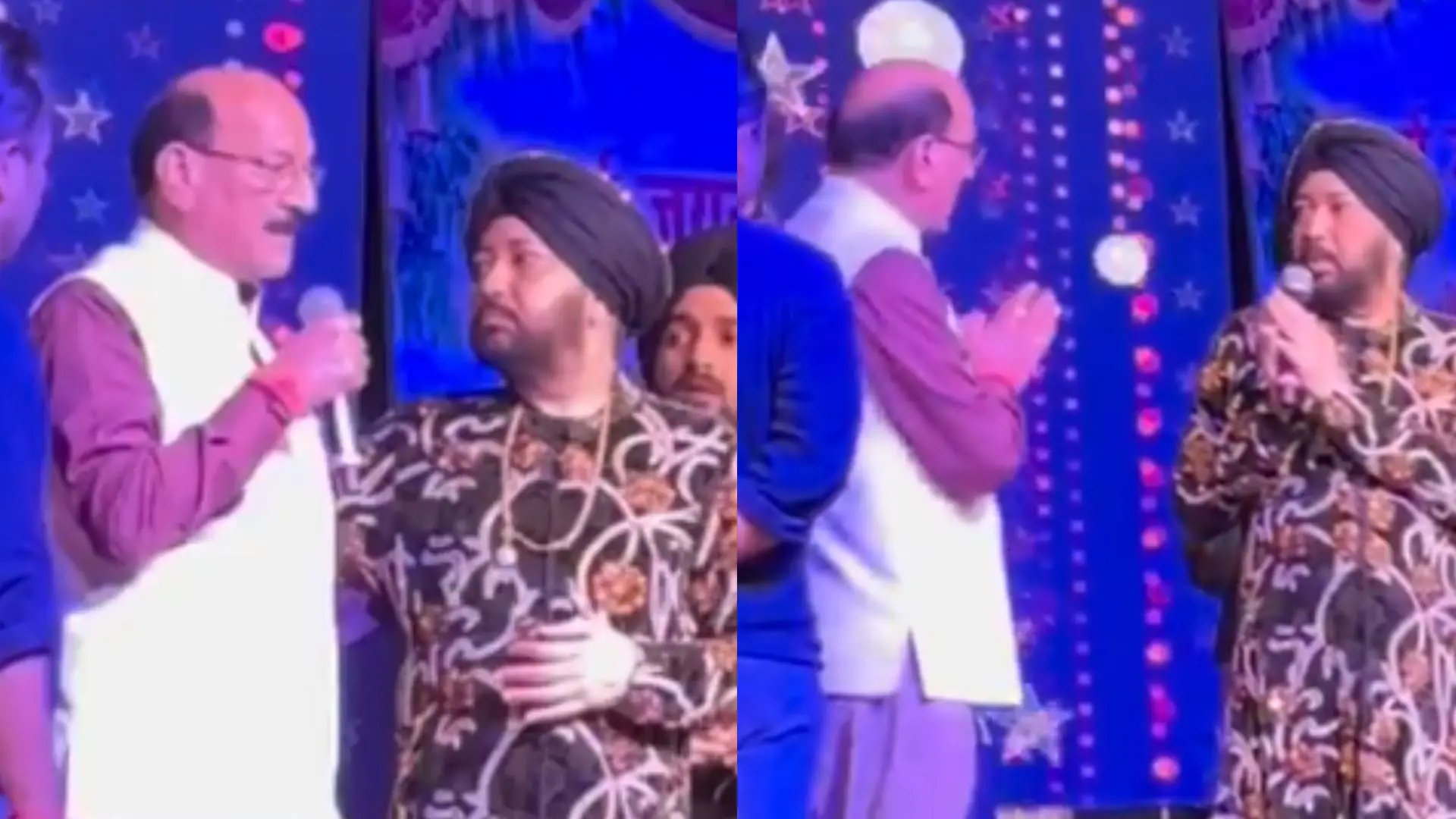
The fight began in 2026 when Daler Mehndi’s set at the Siddhpeeth Maa Kunjapuri Tourism and Development Fair was snatched mid‑song. Uniyal accused the superstar of drunk‑driven lip‑syncing, an allegation that turned a religious celebration into a media circus. Critics say the minister’s outburst was less about the singer’s performance and more about protecting a local reputation.
Mika Singh, Daler’s elder brother, swooped in shortly after, claiming the minister had spoken with him on the phone and offered an apology on behalf of the government. “I told him it wasn’t necessary since he made no mistake,” Singh said, pointing to a conversation with Chief Minister Pushkar Singh Dhami that seemed to favor the singer.
When pressed, Uniyal shot back that an apology is only warranted if a crime has been committed. “Tell me, have I committed any crime that I should apologise?” he asked, casting the minister as a defender of procedural justice rather than a man of conscience.
The episode has stirred a firestorm: social media users are debating whether a political figure should be allowed to police an artist’s performance, while legal experts ponder the limits of free expression in a religious context. If the minister’s stance holds, it could set a precedent for how political actors respond to artistic controversy—either by stepping back or stepping in.