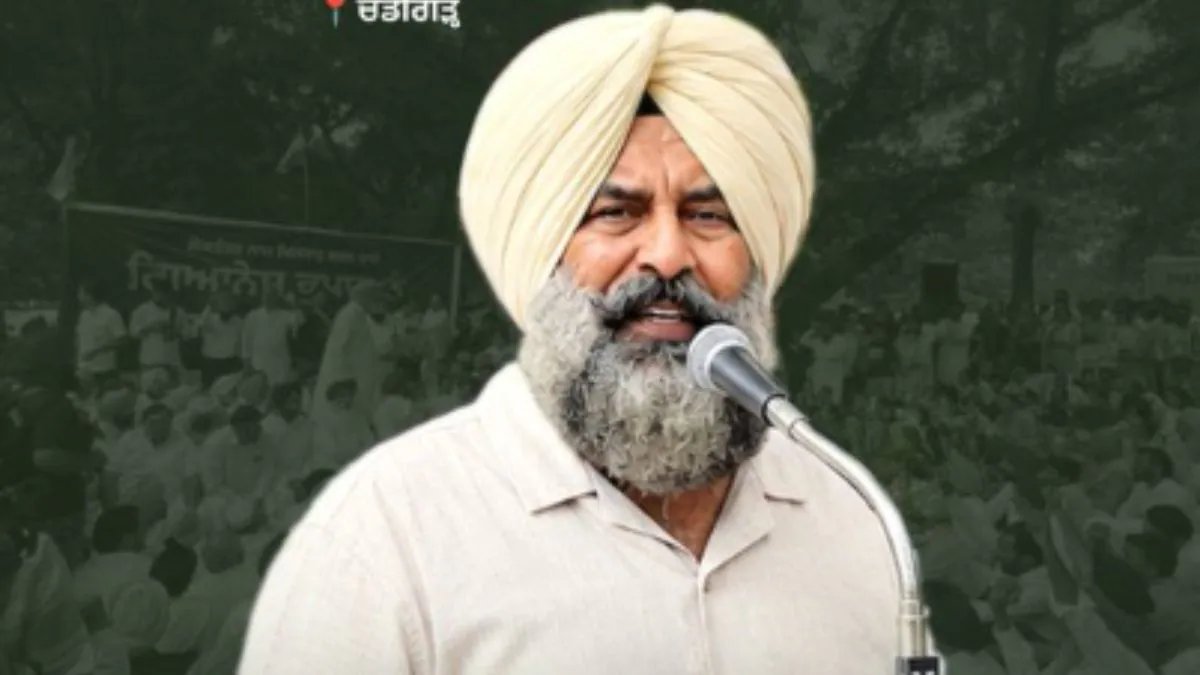
Pargat Singh now holds the reins of the Punjab Pradesh Congress Committee. The appointment lands in the middle of a storm. Senior leaders in the state unit have fractured into distinct camps, each with its own support base and political ambitions. Singh’s primary job is not just administration; it is survival. He must keep these warring factions from tearing the party apart before the 2027 polls.
Singh is no stranger to the machinery. He served as general secretary (organisation) and has three terms as an MLA from Jalandhar Cantt under his belt. His political identity remains relatively independent. He hasn’t aligned himself as the face of any single major faction. This neutrality is his strongest asset. He can talk to Charanjit Singh Channi, Sukhjinder Singh Randhawa, and Partap Singh Bajwa without triggering immediate defensive reactions.
The real headache lies in the organisational legacy of Raja Warring. Warring spent years reshaping district-level structures. He appointed or replaced district presidents who now have their own local equations. Singh faces a binary choice. He can retain the structure to avoid resentment, or he can reshuffle to establish his own authority. A major purge could spark a revolt. Inaction could leave him powerless.
Geographically, Singh has a blind spot. His political base is in Doaba, which holds 23 assembly seats. But Punjab’s electoral center of gravity is Malwa. Malwa has 69 of the state’s 117 constituencies. If Singh cannot build strong organisational equations in Malwa, the 2027 campaign will be a non-starter. He has to move beyond his comfort zone in Doaba and Majha.
The transition marks a shift in his role. He moved from questioning powerful establishments to managing them. He must give space to ambitious leaders without letting their ambitions turn into competing organisations. The next few months will reveal whether he can be a coordinator or just another power centre. The 2027 assembly elections are the final deadline for this experiment.