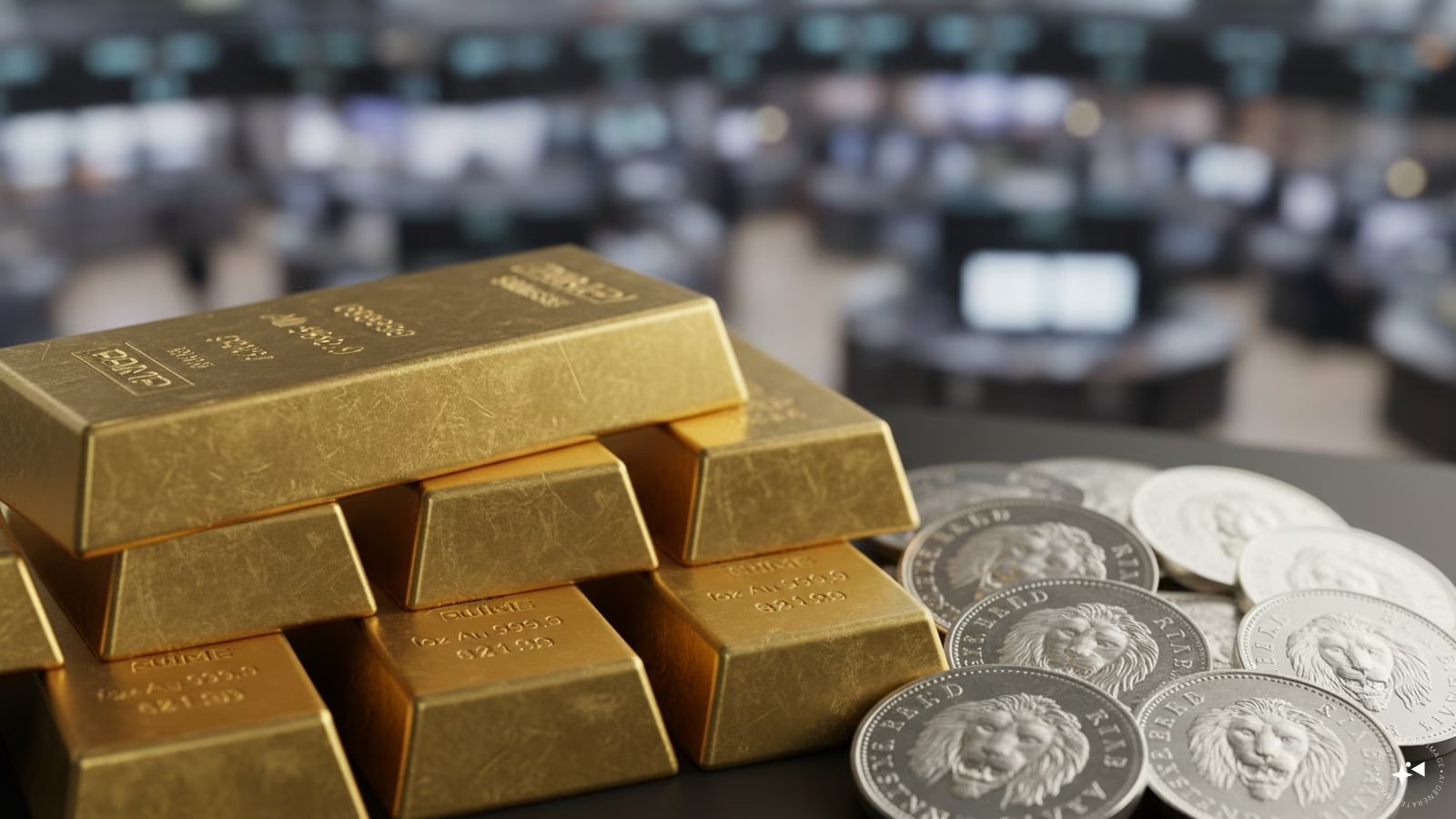
The selloff was swift. On the Multi Commodity Exchange, December gold futures slumped 0.93% to trade at ₹1.38 lakh per 10 grams on Thursday, November 12, breaching the ₹1.39 lakh threshold as global bullion faced sustained liquidation. December silver futures took an even harder hit, tumbling 1.32% to ₹1.82 lakh per kilogram.
Abroad, international spot gold cracked beneath the psychologically vital $4,000-per-ounce mark. The trigger came straight from Washington: US consumer inflation rose 0.4% in October, outpacing consensus forecasts of 0.3%. That single data point shattered hopes of immediate monetary easing, reinforcing expectations that the US Federal Reserve will hold benchmark borrowing costs higher for longer or deliver another rate hike.
| Contract / Asset | Traded Price / Range | Session Move | Key Technical Anchor |
|---|---|---|---|
| MCX Gold (Dec Futures) | ₹1.38 lakh / 10g | -0.93% | Slipped below ₹1.39 lakh |
| MCX Silver (Dec Futures) | ₹1.82 lakh / kg | -1.32% | Breaking out of consolidation |
| Spot Gold (Global) | Below $4,000 / oz | Extended Losses | Testing $3,900 / oz support |
| Spot Silver (Global) | $51.00 – $53.00 / oz | Rangebound | Awaiting directional breakout |
Rising US Treasury yields and a hardening greenback quickly punished non-yielding assets. Because bullion offers neither coupon nor dividend, higher bond yields heighten the opportunity cost of parking capital in metal vaults. A strengthening dollar simultaneously escalates purchase costs for overseas buyers, choking spot liquidity.
Gold and silver futures are facing renewed pressure as stronger-than-expected US inflation data has strengthened expectations of further Federal Reserve tightening." >
Vikram Subburaj, Chief Executive Officer, Giottus.com
Silver absorbed supplementary selling pressure from its industrial supply chain. Unlike gold, silver prices remain acutely vulnerable to factory manufacturing sentiment and slowing economic growth projections.
Market Context: Domestic bullion pricing remains tethered to foreign-exchange math. While sliding international benchmarks drag on local spot rates, a weaker Indian rupee against the US dollar acts as an automatic shock absorber, buffering landed import costs. A strengthening rupee, conversely, transmits global declines directly into Indian physical markets.
Chart indicators suggest the rout may have room to run. Prithviraj Kothari, Managing Director of RiddiSiddhi Bullions and President of the India Bullion and Jewellers Association, warned that gold risks sliding down to $3,900 an ounce if sellers hold control below $4,000. Silver remains pinned inside a tight corridor of $51 to $53 an ounce, awaiting a definitive catalyst to break out.
Yet physical accumulation continues to build a defensive backstop. Sovereign institutions are refusing to step aside during drops.
Manav Modi, Commodities Analyst at Motilal Oswal Financial Services, pointed to persistent spot buying by the People's Bank of China and peer central banks as a structural counterweight that limits the depth of this correction.
Traders now turn to forthcoming US producer price data and public remarks from Federal Reserve governors to calibrate position sizes ahead of the next policy session.