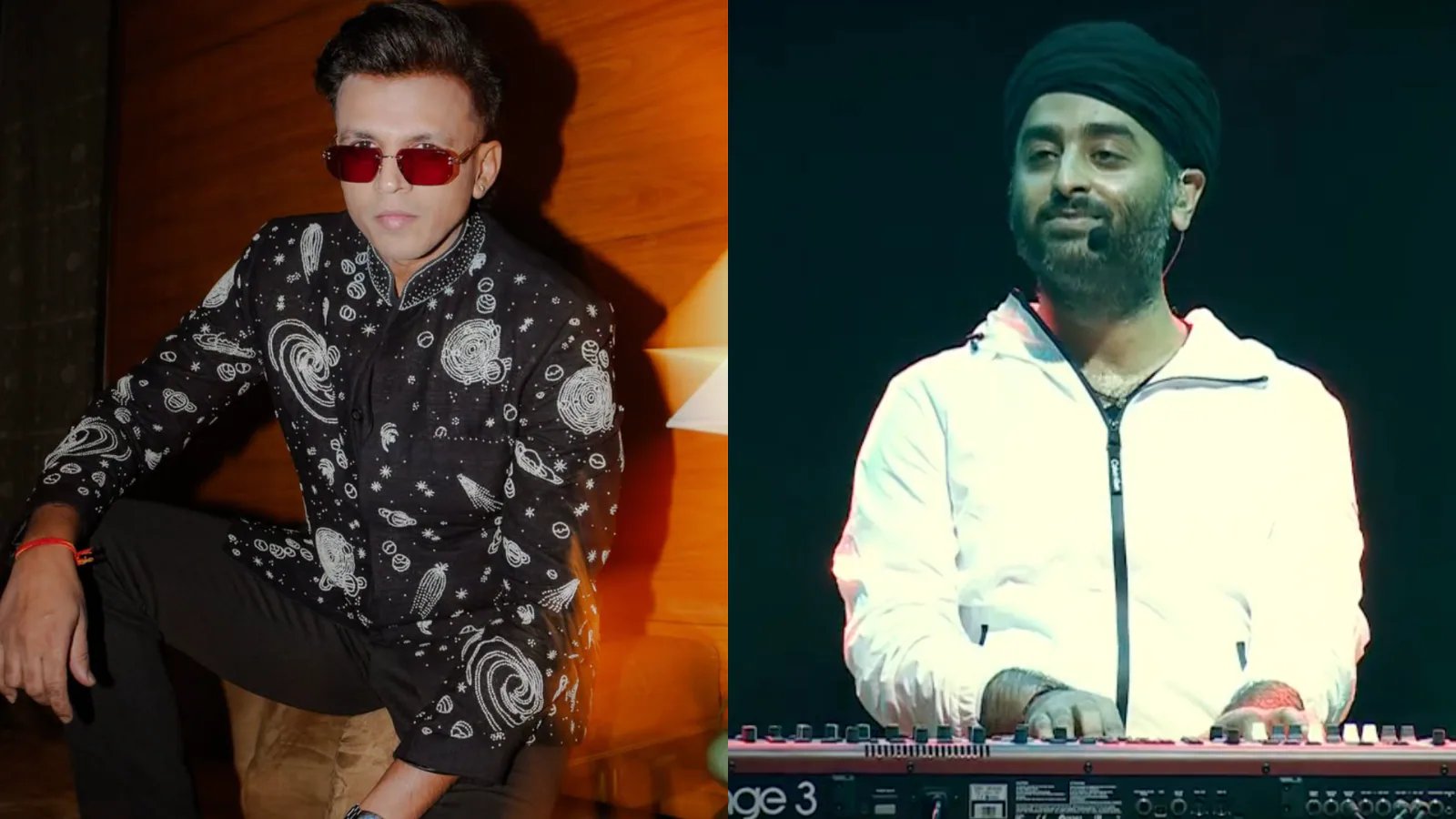
So, after the first season of Indian Idol, Abhijeet was a household name, cashing in ₹1 crore and a Sony album deal, while Arijit’s notebook was still a blank page—just a boy with a voice and a dream.
Arijit didn’t jump into the limelight. He spent ten years hunched over keyboards, programming beats and polishing tracks for the likes of A.R. Rahman and Sanjay Leela Bhansali, a behind‑the‑scenes hustle that kept him out of the public eye but sharpened his craft. “He went back to the basics and started again, no one knew him back then,” Abhijeet recalls, hinting at the quiet resilience that would later fuel his meteoric rise.
The pressure on the two was as different as their paths. While Abhijeet had to navigate constant media glare, Arijit was under the radar, crunching numbers and waiting for a break. “I was very popular, but he wasn’t,” Abhijeet says, a candid admission that shows how fame can be as much a psychological game as a public one.
Arijit’s patience paid off when his voice was chosen for “Tum Hi Ho” in Aashiqui 2, a song that became an overnight anthem and vaulted him from studio worker to playback legend. The moment highlighted the strange alchemy of timing, talent and a single right song. Abhijeet concludes that audiences love the glittery success but often miss the silent grind behind it, urging fans to appreciate the harder stories. The next chapter? Both singers continue to push boundaries—Abhijeet with new reality shows, Arijit with record‑breaking collaborations—ensuring the music industry stays on its toes.